
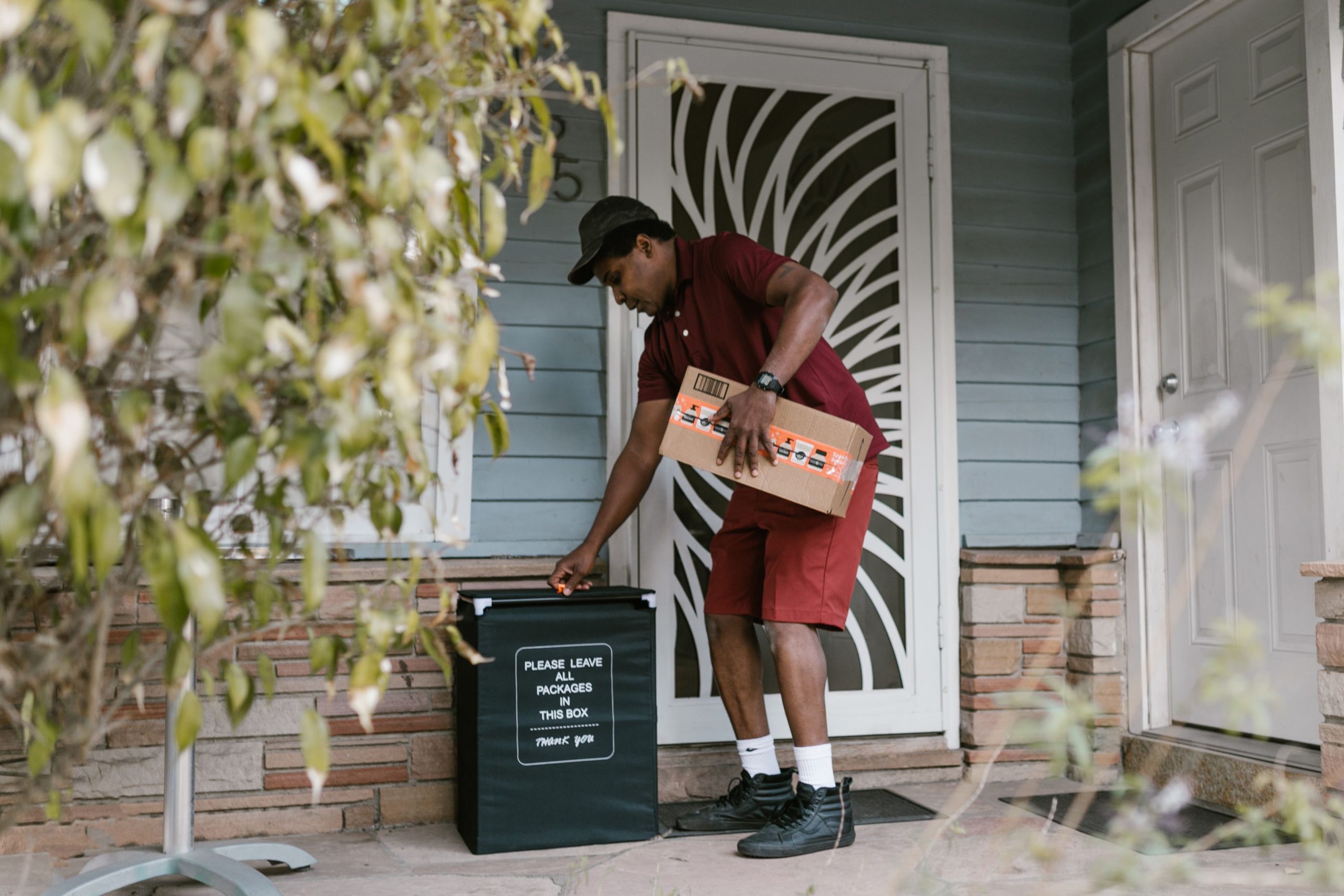
You want to protect your packages and do your part to stop porch piracy, so you have installed a video doorbell. That’s great. But perhaps you’ve also experienced the following all-too-familiar scenario:
You receive a phone alert informing you of a package delivery. A video feed shows the package sitting safely at the front door. But an hour later, you get another alert from the video doorbell. You open the app only to witness a stranger walking up your driveway, scooping up the box, and walking away.
You now have video evidence of a crime. That is all well and good, but you still don’t have your package. The most frustrating thing about it is the number one limitation of your typical smart doorbell: recording a crime is not the same thing as preventing it from happening.
Recording Is No Longer Enough

Home security manufacturers have been marketing their cameras based on video resolution, night vision, and cloud storage capabilities for years. But as package theft has surged around the country, consumers have realized that passive recording doesn’t do much to deter porch pirates caught in the act – regardless of the quality of the camera.
The realities of more modern package theft explain why Vivint Home Security recommends going above and beyond mere video surveillance to employ active deterrence. The company includes active deterrence capabilities in some of its video cameras and doorbells.
The Flaws of Passive Video Surveillance
Before getting into why active deterrence is better, let’s take a look at the flaws inherent to passive video surveillance. Think of a camera or video doorbell that is triggered by motion. As soon as it is triggered, it begins recording. Any data it records and saves can ultimately be used by the police during their investigations. But how often do such investigations lead to an actual arrest and conviction?
Passive surveillance still serves a valuable purpose within the broad security spectrum. Police investigators can always use the evidence, and recorded data is sometimes necessary when filing insurance claims. But from the perspective of stopping package theft altogether, passive surveillance has its limits:
• Lack of Concern – Thieves were quite concerned with video doorbells when the devices were first introduced some eight years ago. They didn’t know what they were up against. Things are different now, though. Package thieves show a clear lack of concern about video surveillance. They wear dark sunglasses, hats, hoodies, and sometimes masks, knowing that by the time police get around to looking for them, stolen merchandise will be long gone.
• Notification Delays – Thieves also know that there is a slight delay between a camera being triggered and an alert being pushed to a consumer’s cell phone. By the time the consumer opens the phone, launches the app, and waits for buffered video to show, the thief has already made his escape.
• No Immediate Threat – Video doorbells also do not pose any immediate threat. It is not like an alarm that will sound loudly and immediately trigger a remote monitoring center. Thieves have every reason to believe a video doorbell isn’t being monitored 24/7.
Package thieves now actively look for video doorbells and standalone security cameras. They know how to do what they do quickly and effectively, and many of them do not even worry about being recorded. So, video doorbells are no longer stopping porch piracy; they are just gathering evidence. That is not good enough. The U.S. Postal Inspection Service’s mail theft guidance also covers practical ways to reduce the risk around delivered mail and packages.
Why Active Deterrence Is Better
The point of active deterrence is to stop crimes from being committed. In theory, criminals think twice if you let them know they have been spotted as they are approaching your property. Once made aware of that fact, a criminal has no way of knowing whether you are home or sitting somewhere a thousand miles away. That gives you the edge.
Here is how proactive package protection works, based on an active deterrence strategy:
1. Intelligent Detection
Unlike older cameras and doorbells that trigger alerts for everything from passing cars to birds in the yard, modern devices utilize onboard computer vision and advanced software to distinguish between routine neighborhood motion and a person approaching your property. That makes a huge difference, especially in terms of alert fatigue.
2. Automated Warnings
The best cameras these days are equipped with automated visual and auditory warnings. Upon approach, a criminal will be subject to illuminated spotlights, warning tones and chimes, and even proactive voice alerts, making it clear that he is being watched and recorded.
3. Smart Package Guarding

The best cameras on the market also offer something known as smart package guarding. Once a package arrives and is recognized as such, the camera zeroes in on that package. If anyone other than you or one of your family members enters a designated package zone, the camera immediately triggers its automated visual and auditory warnings.
4. Two-Way Communication
The icing on the cake is onboard audio that facilitates two-way conversations. When an alert comes in, you can actually communicate with whoever is approaching your door via your phone. A criminal has no idea whether you are inside your home or at work. Is he likely to still take his chances? Probably not.
Active Deterrence Gives You the Edge
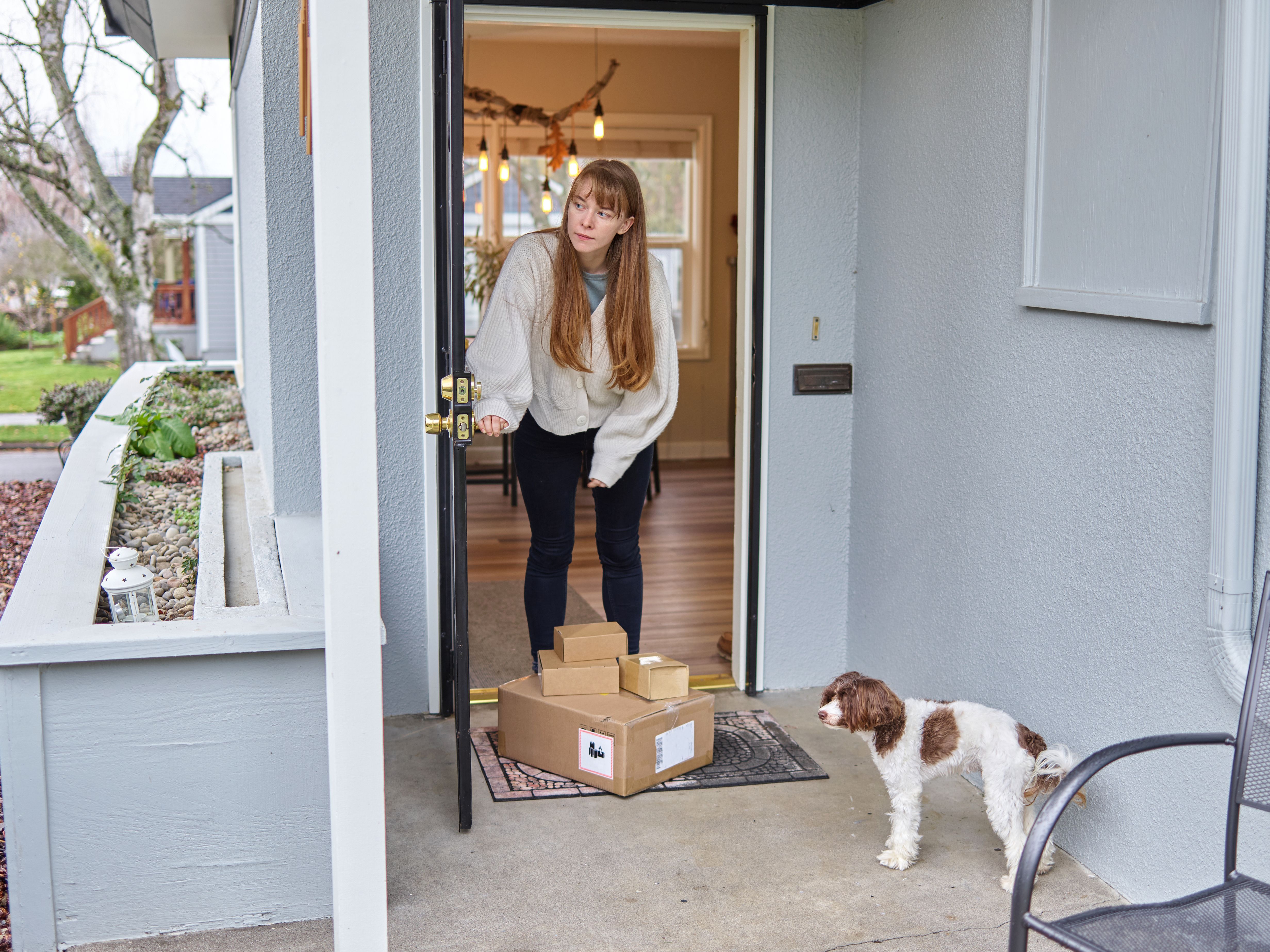
To be fair, active deterrence might not stop a truly determined porch pirate. So why invest in it? Because most thieves are not that determined. All thieves have one thing in common: they do not want to get caught. If you can plant a seed of doubt in a thief’s mind, you have already won the first part of the battle. Chances are pretty good that he will second-guess his decision to hit your house.
Video doorbells and standalone cameras offering only recording capabilities still serve a purpose within the home security space. But if you want to do more than just record criminal activity, make sure your next round of video devices offers active deterrence capabilities. Active deterrence greatly increases your chances of stopping a crime from occurring.