
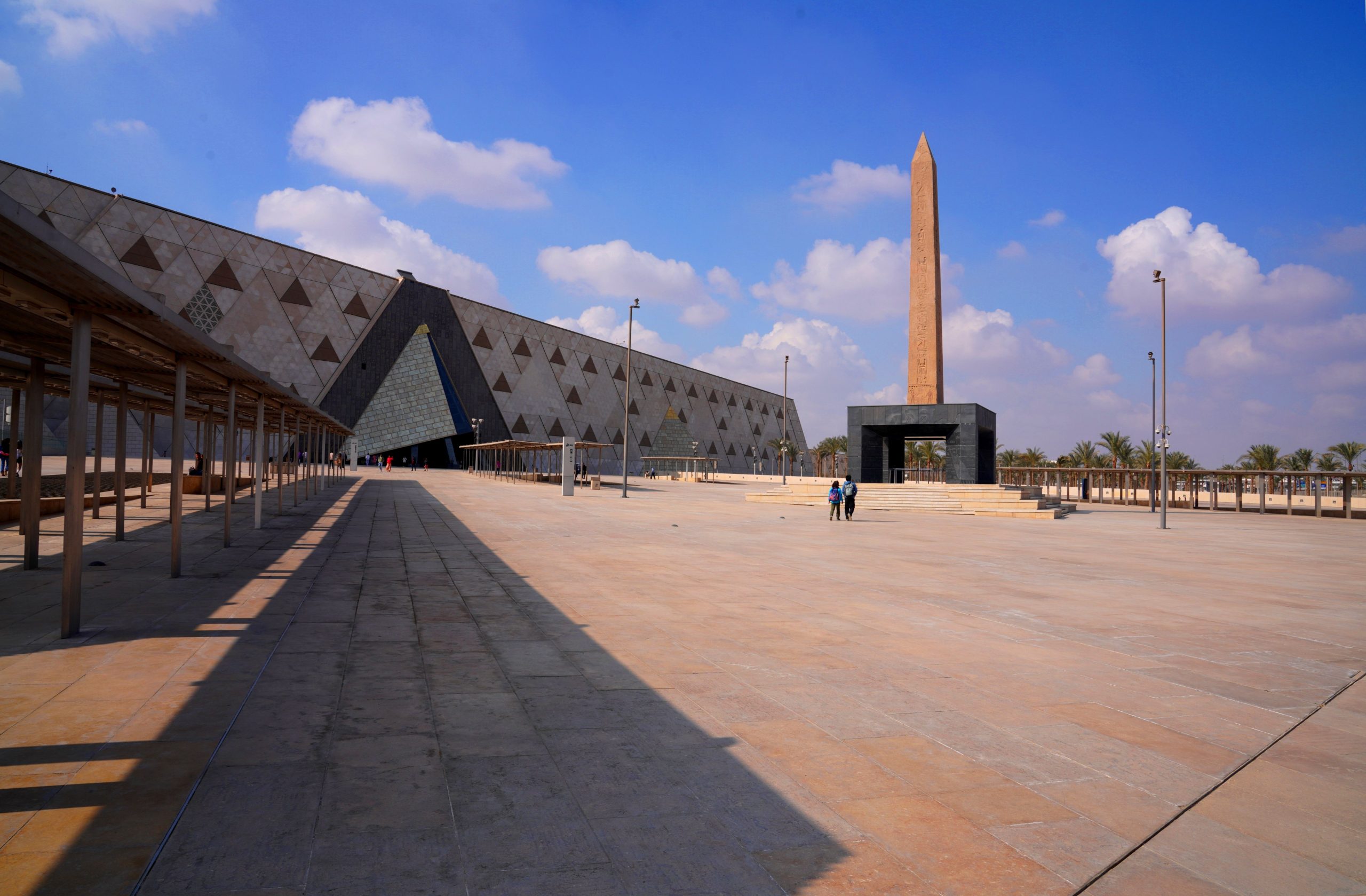
The Grand Egyptian Museum makes a natural starting point for a trip to Giza, but it is not a substitute for seeing Egypt’s monuments where they stand. The museum gives context and close encounters with objects; the plateau, necropolis and old city give that history a landscape.
My advice is to resist the tempting “museum, pyramids, Saqqara, Cairo” mega-day. These places reward different kinds of attention, and the distances and traffic can turn an ambitious itinerary into a checklist. Give the Giza area two days at minimum, then add Saqqara and historic Cairo as separate outings if your schedule allows.
Start with the museum, then let the landscape do its work
At GEM, begin with the monumental spaces and galleries before deciding how much more you can take in. The museum’s official visitor information lists different gallery closing times by day, with later hours on Wednesdays and Saturdays; check the official Grand Egyptian Museum ticketing site for current hours, ticket conditions and entry availability before you build the day around it.
That order matters. A museum visit can introduce objects and tell a story at a human scale. The next day, the scale changes abruptly: the Giza pyramids were royal burial complexes, not isolated geometric wonders. Their surrounding temples, smaller tombs and causeways are part of the site’s meaning, even when the largest structures draw the eye first.
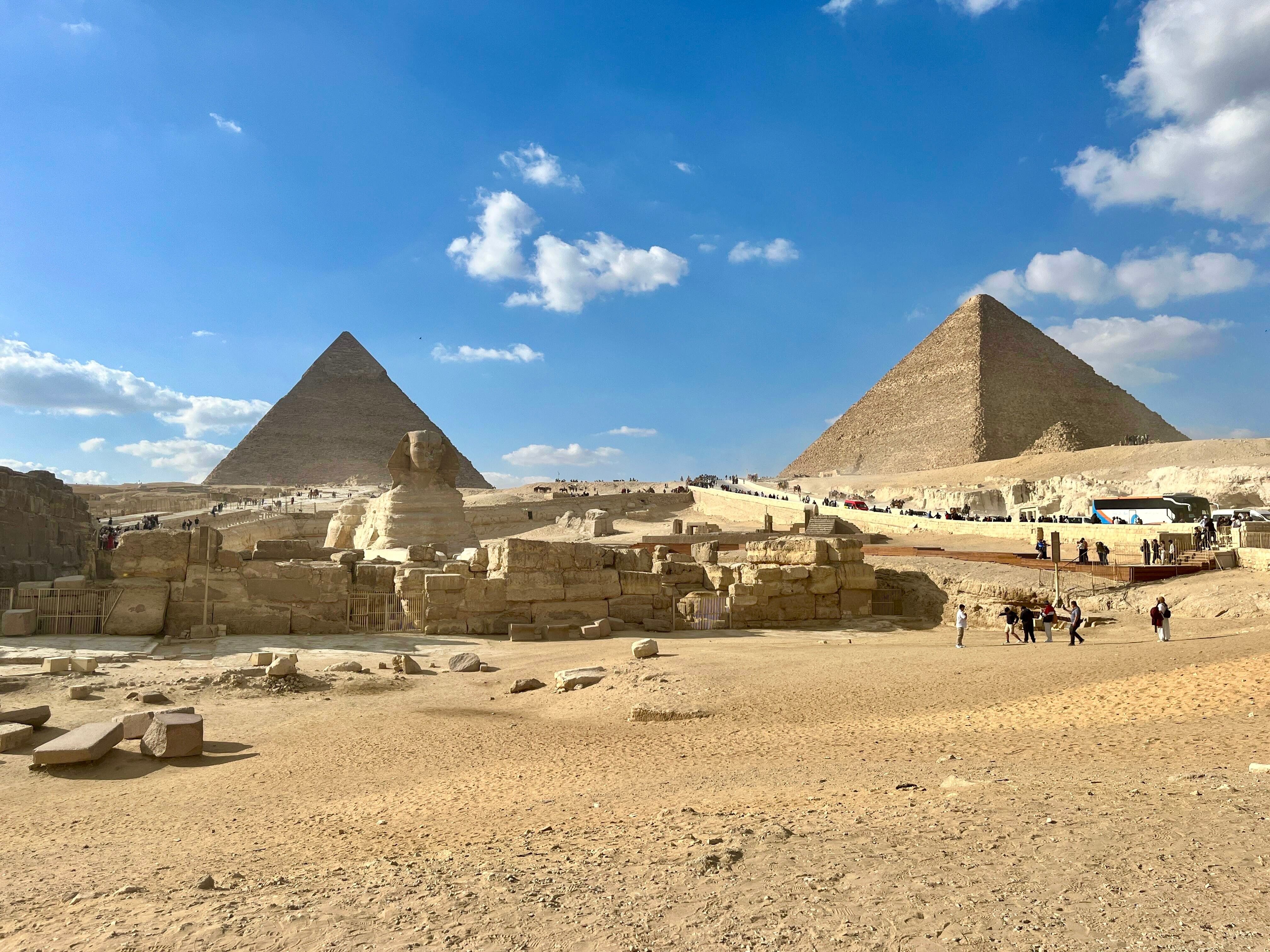
Keep GEM and Giza in the same part of your itinerary because they are close, but do not assume they belong in the same day. If you have only one day for both, choose one as the main event and treat the other as a shorter visit. A ticketed museum with galleries to explore and an exposed archaeological plateau are both tiring in different ways.
Saqqara is not a bonus stop
Saqqara is where the pyramid story becomes less familiar and, for many visitors, more interesting. The Step Pyramid of Djoser belongs to the early development of monumental stone architecture; the wider necropolis includes tombs from multiple periods. This is not simply a smaller version of Giza. It shows a much longer and more varied funerary landscape.
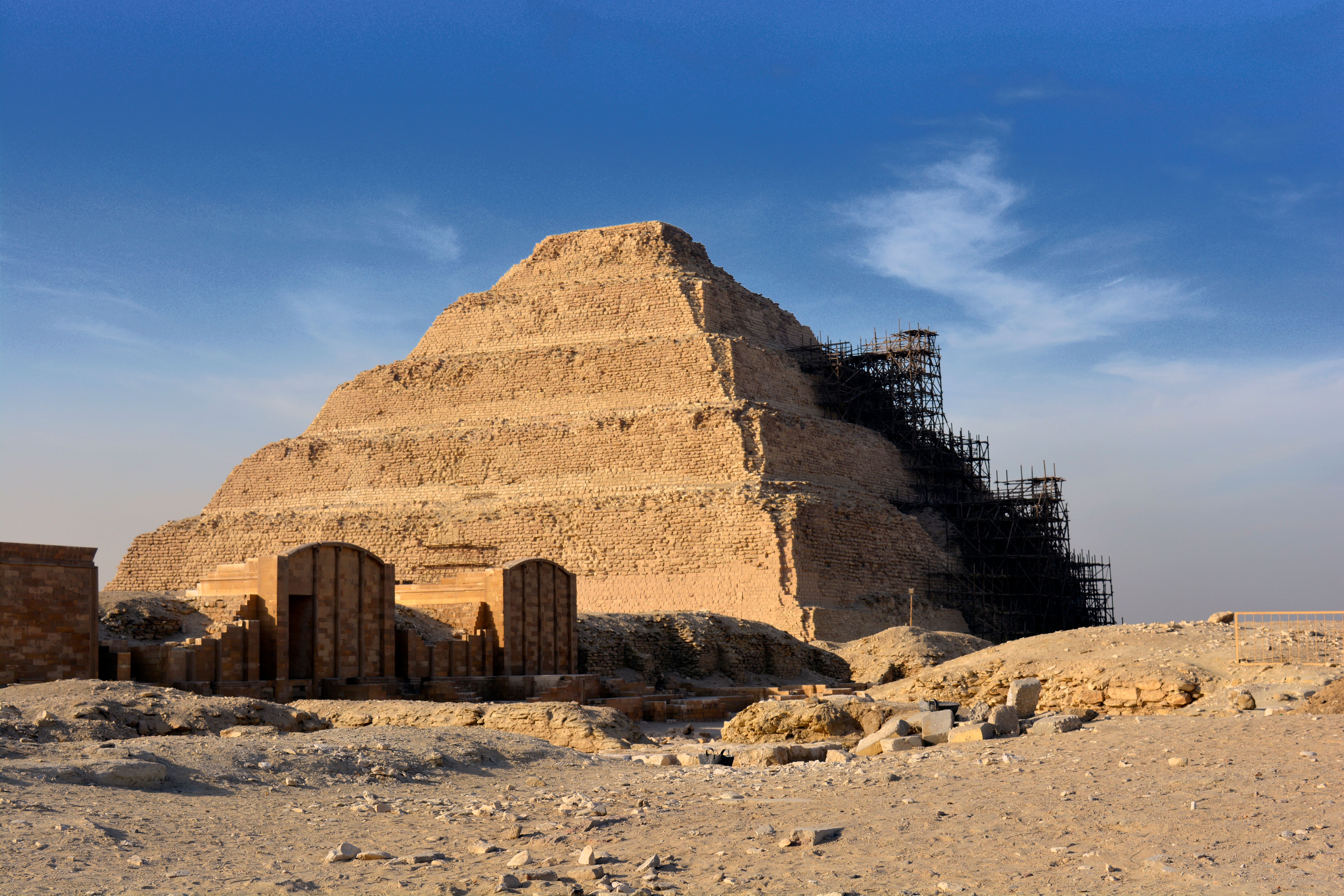
UNESCO describes the Memphis and its Necropolis World Heritage property as a connected series of archaeological areas, extending from Giza through Saqqara toward Dahshur. That broader geography is a useful corrective to the idea that each famous pyramid site is a standalone attraction.
Set aside a separate day for Saqqara. The Ministry of Tourism and Antiquities lists the Step Pyramid complex alongside sites such as the Serapeum and the tombs of nobles; access and opening details can vary, so check current information before setting out. You do not have to see every tomb. Pick a few, take time with the reliefs, and remember that a necropolis is a place built for the dead, not a theme park arranged around one photogenic monument.
Give Cairo’s medieval city its own visual register
After days focused on pharaonic monuments, the Mosque-Madrasa of Sultan Hassan offers a welcome change of scale and setting. Its vast stone architecture belongs to a different Cairo: a city of religious institutions, schools and dense urban streets rather than open desert horizons.
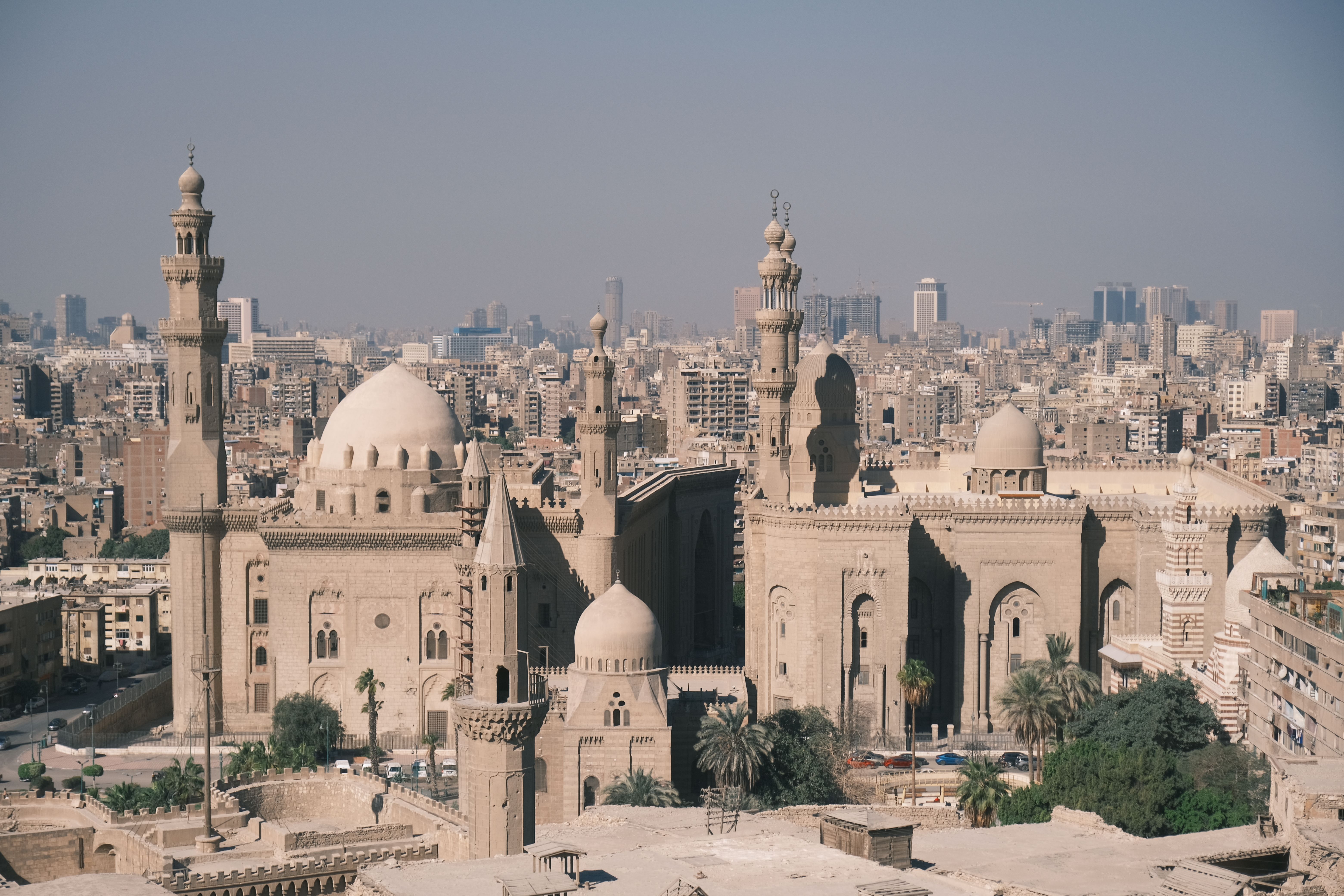
Plan this as an urban visit, not a quick photo stop between Giza and Saqqara. Choose a small group of nearby monuments, allow time for the streets between them, and check local access rules and opening arrangements on the day. The shift from ancient royal complexes to a living historic city is part of what makes a longer Cairo stay worthwhile.
Luxor belongs on the same journey, not the same day
If your trip continues south, Luxor adds a major chapter rather than a convenient add-on. At Karnak, the Great Hypostyle Hall’s forest of columns makes clear how different a temple complex feels from either a tomb landscape or a museum gallery. The Ministry of Tourism and Antiquities notes that Karnak developed over many centuries and comprises several precincts, so it rewards more than a hurried walk through the central hall.
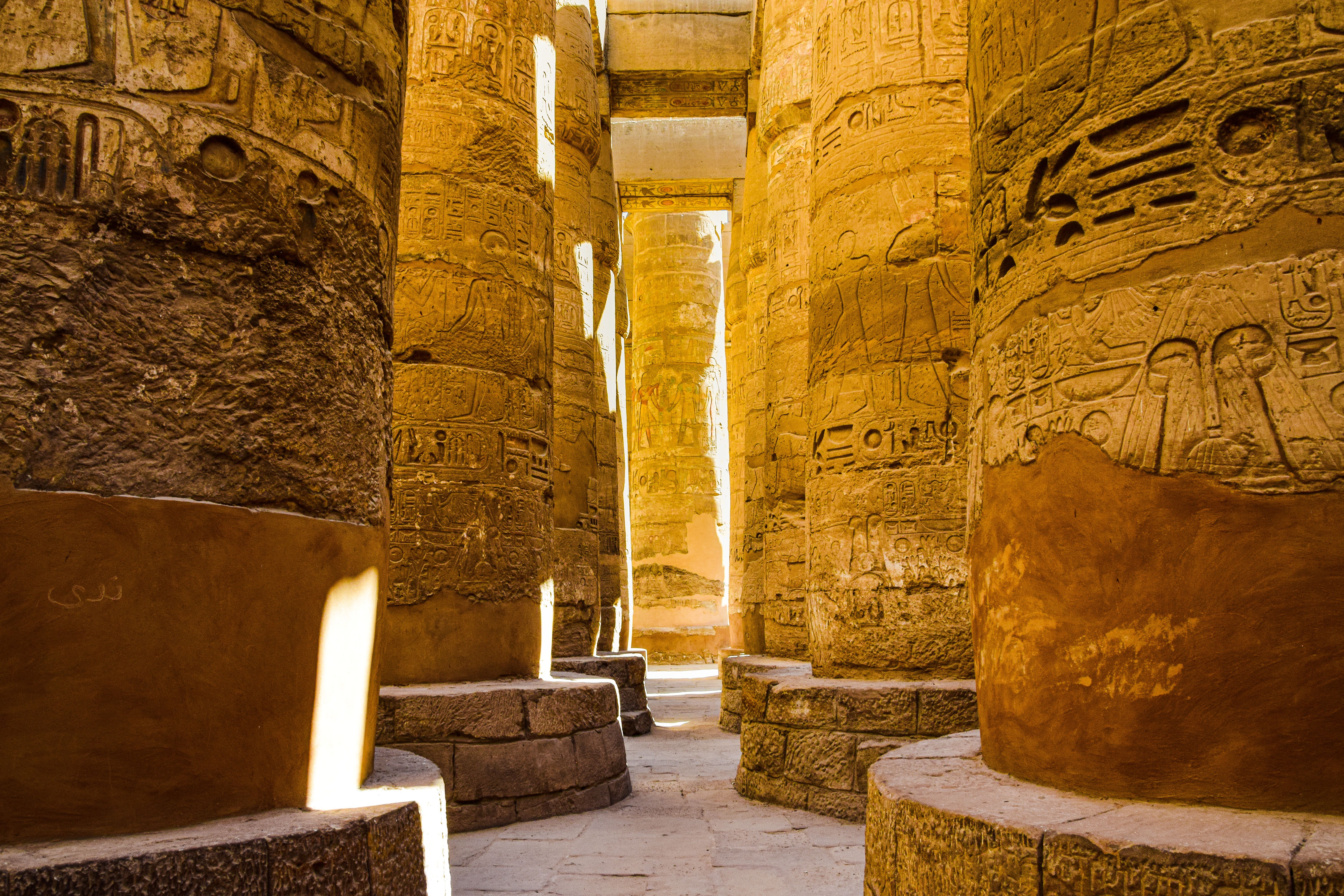
For a slower route between Upper Egyptian sites, a Dahabiya Nile Cruise can make the river itself part of the itinerary. Treat Luxor as a separate travel segment: it is not a realistic extension of a Cairo sightseeing day, and the journey deserves its own time.
A sensible sequence
- Day one: Grand Egyptian Museum. Check the current schedule and ticket rules in advance.
- Day two: Giza Plateau, with time for more than the main pyramid viewpoints.
- Day three: Saqqara as a dedicated archaeological outing.
- Day four, or a separate half-day: Sultan Hassan and selected historic Cairo sites.
- Later in the trip: Travel to Luxor for Karnak and other Upper Egyptian monuments; consider a Nile itinerary if a slower pace appeals.
If you have fewer days, cut a site rather than piling three major visits into one. The Grand Egyptian Museum works best as the beginning of a conversation with Egypt’s past, not as the box to tick before rushing onward. A little space between the visits is what lets the differences register.