Few places on Earth carry the same raw magnetism as the Komodo archipelago. A realm of volcanic peaks, coral gardens, and ancient reptiles, this corner of Indonesia feels both otherworldly and deeply alive.
Yet, with so many islands scattered across its turquoise expanse, travelers often wonder how to see it all and do it right. The key lies in planning your trip around both adventure and respect for nature.
Why Komodo Demands a Thoughtful Explorer
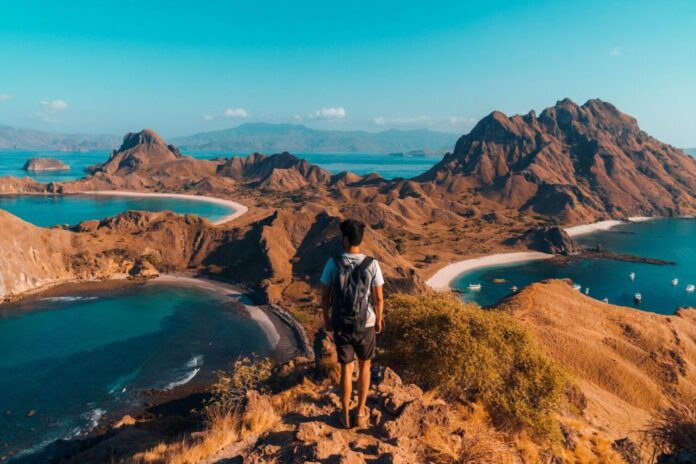
Komodo National Park is more than a place to tick off a travel list, it’s a living ecosystem that demands patience and awareness. The islands of Komodo, Rinca, and Padar sit between the Indian and Pacific Oceans, where strong currents shape a thriving underwater world. Above the surface, dry savannah hills rise over crystal bays.
Tourism here has grown rapidly, but the best experiences still belong to those who travel with curiosity and care. If you want to see the Komodo dragons, swim among mantas, and stand on the famous ridges of Padar, you’ll need more than a map, you’ll need rhythm and strategy.
Cruising the Archipelago ─ The Freedom of the Sea
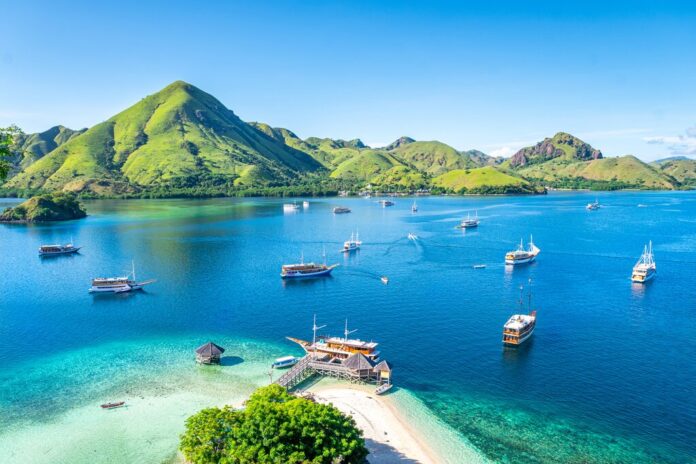
To truly connect the dots between these islands, nothing compares to sailing. A yacht Komodo island experience allows travelers to explore remote beaches and dive sites unreachable by day tours. These vessels range from rustic phinisi boats to luxurious private yachts equipped with gourmet kitchens and sun decks.
The appeal lies in mobility. You can wake up near Pink Beach, dive before breakfast, and by noon anchor in turquoise shallows beside an uninhabited islet. Each evening, the sunset paints a different horizon, and the stars return without city lights.
- Private charters: Tailored itineraries and privacy
- Shared cruises: Cost-effective, social atmosphere
- Liveaboard dive boats: For underwater enthusiasts
Sailing isn’t just convenient, it’s the gateway to seeing Komodo in its purest form.
Island Highlights You Shouldn’t Miss
Each island in the Komodo chain has its own rhythm. Exploring them properly means balancing iconic spots with quieter gems that many travelers overlook.
|
Island |
Main Attraction |
Best Time to Visit |
| Komodo Island | Home to Komodo dragons, trekking trails | Morning hours, before heat rises |
| Rinca Island | Dragon encounters, mangrove views | Early morning |
| Padar Island | Panoramic hike, famous viewpoint | Sunrise or sunset |
| Pink Beach | Pink-hued sand and snorkeling | Mid-morning to early afternoon |
| Kanawa Island | Gentle reefs for beginners | Calm season (Apr–Oct) |
| Manta Point | Swimming with manta rays | Dry season, clear waters |
While these are must-sees, don’t rush them. Spend a full day near Rinca, for instance, watching deer move across the savannah and the tides shifting. Those quiet moments reveal more about the islands than a checklist ever could.
The Art of Balancing Adventure and Respect
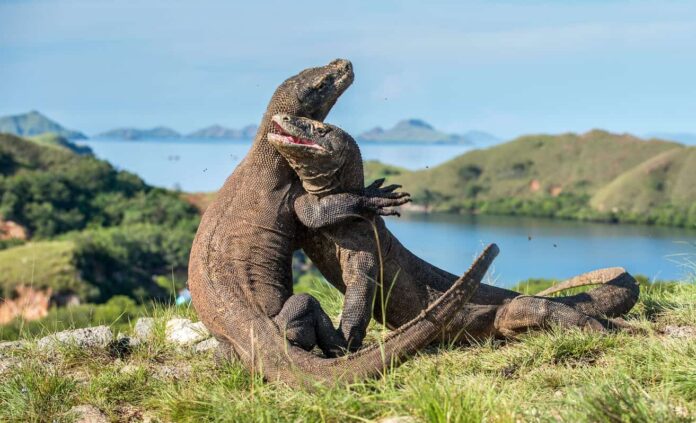
Komodo’s wildlife, both on land and underwater, is fragile. The park’s rangers work tirelessly to protect it, and visitors play a role too. When walking among dragons, always follow a guide’s instructions — these animals are wild and unpredictable. In the water, avoid touching coral or chasing marine life.
Some practical reminders:
- Stay at least 5 meters away from Komodo dragons
- Use reef-safe sunscreen to protect corals
- Never feed wildlife
- Take your trash back to the boat
The Komodo islands are part of a UNESCO World Heritage site, meaning every traveler’s footprint matters.
The Experience Beneath the Waves
Komodo’s underwater world ranks among the best in Asia. With nutrient-rich currents, the coral reefs attract manta rays, turtles, and hundreds of fish species. Dive sites like Batu Bolong and Castle Rock challenge even experienced divers, while places like Sebayur offer calm conditions for beginners.
If diving isn’t your thing, snorkeling here still feels surreal. Shallow reefs shimmer with color, and in calm bays you’ll find baby sharks and schools of parrotfish. The marine biodiversity is so extraordinary that many travelers describe it as swimming through a living painting.
Did you know?
Komodo’s currents are part of the Indonesian Throughflow, a massive underwater stream connecting two oceans, making it one of the most nutrient-rich marine environments on Earth.
Local Culture and Island Life
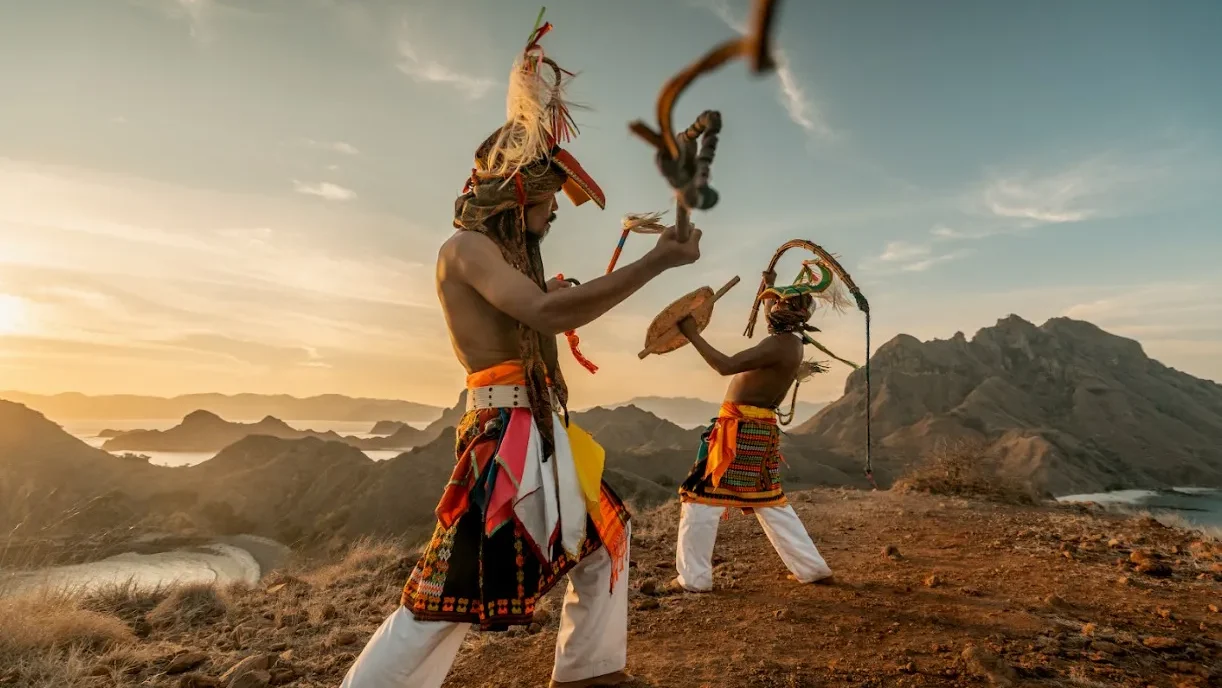
Beyond the wildlife, there’s human life quietly thriving on these islands. Villages like Komodo and Mesa are home to communities of Bugis and Bajau seafarers, who have lived in harmony with the sea for generations. Visiting them is a chance to understand local traditions, from salt-making to fish drying and handwoven textiles.
When visiting, bring small gifts like school supplies instead of money, and ask permission before taking photos. It’s a way to engage meaningfully without turning culture into spectacle. You’ll often be invited to sit, drink coffee, and exchange smiles, moments that make the journey personal and lasting.
How to Plan Your Trip
Getting to Komodo typically starts in Labuan Bajo, a small harbor town on Flores Island. From here, boats depart daily for tours ranging from a few hours to several nights.
A 3-day itinerary often covers the highlights:
- Day 1: Labuan Bajo – Kelor Island – Rinca Island
- Day 2: Padar Island hike – Pink Beach – Manta Point
- Day 3: Komodo Island trek – Kanawa Island – return
Travelers with more time can extend to distant islets like Gili Lawa or Seraya, where coral gardens remain almost untouched. The dry season (April–October) offers calm seas, while the wet season brings moody skies and lush greenery.
The Rhythm of Komodo ─ When to Go and Why
Timing is everything in Komodo. The dry season (April to October) offers the clearest waters for diving and predictable weather for sailing. July to September is prime for manta sightings, while March and April bring vivid underwater colors as plankton blooms attract fish schools.
During the wet season (November to March), rains are frequent but not constant, and mornings often remain clear. It’s a quieter, more reflective time to visit, with greener hills and fewer boats. Each season reveals a different face of the islands, all equally captivating.
A Journey Meant to Be Savored
Exploring the islands around Komodo is not about rushing from one photo stop to another; it’s about surrendering to the rhythm of sea and sky. The dragons, the coral, and the sunsets all ask the same thing: slow down. Spend time where others only pause.
Because in Komodo, the real magic happens between the famous landmarks, in the gentle hum of the wind, the slow drift of a manta ray, and the quiet realization that nature still rules here.