
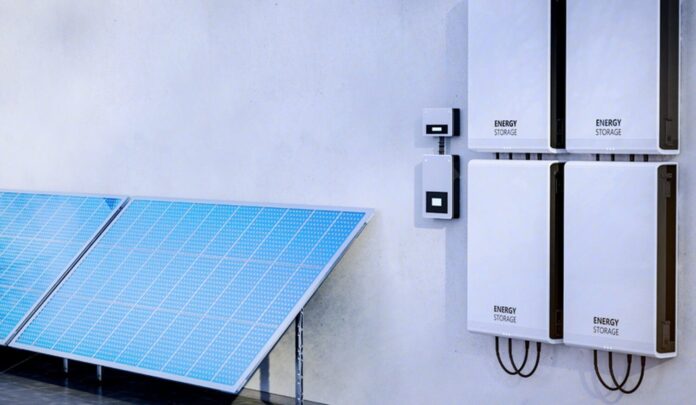
Picking the right inverter is essential; it directly affects how efficiently you use and store energy in your solar power system.
Different types of inverters—like string inverters, micro-inverters, and power optimizers—each come with their own set of advantages. Notably, micro-inverters excel in shaded areas.
Spending a bit more on a high-quality inverter can result in long-term savings and better efficiency. Cheaper options might look appealing at first but can fall short in performance and reliability.
Ensure compatibility between your inverter, solar panels, and batteries. Mismatched components can really hurt your system’s efficiency.
Having a strong warranty and responsive customer support is vital. It gives you peace of mind and makes operating your solar energy system easier.
Always prioritize quality over price when selecting an inverter. Higher efficiency ratings and positive user reviews significantly impact how well your system works.
Stay updated on any regulatory changes and incentives. They can influence both your investment and operational decisions when it comes to solar technology.
Why Choosing the Right Inverter is a Game of Strategy
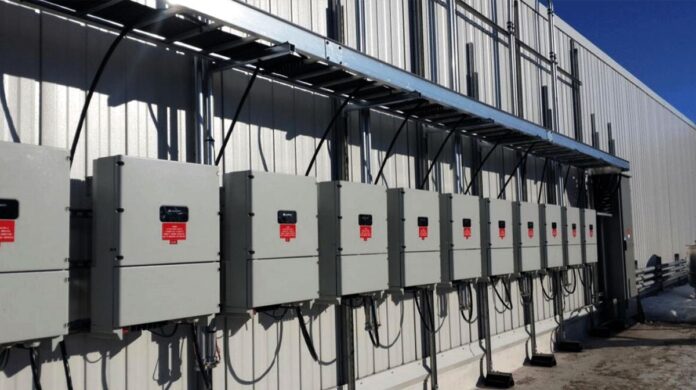
Picking an inverter isn’t just a matter of clicking a button and crossing your fingers. Think of it as a strategic game, balancing efficiency, cost, and compatibility.
You really need a solid plan. The right inverter influences how much energy you harness from the sun and how well you store that energy for later.
In many ways, it’s the backbone of your entire energy strategy.
How Inverter Types Impact Overall Efficiency
Let’s start with the different types. You’ve got string inverters, micro-inverters, and power optimizers. Each type plays its role but they all come with different trade-offs.
String inverters are dependable, particularly for systems in full sunlight, but they can struggle when shadows hit.
Micro-inverters are the high achievers in this bunch—they operate independently. So if one panel gets shaded, the others keep on working. This is a big deal if you’ve got nearby trees.
However, not every homeowner needs to shell out for the cost of micro-inverters. If your solar setup enjoys consistent sun exposure, sometimes a string inverter will suffice.
Finding that sweet spot requires digging into your roof’s layout, checking for shade, and understanding your budget. Getting this wrong could mean efficiency loss—like trying to fill a leaky bucket.
- String Inverters: Great for straightforward setups and budget-friendly.
- Micro-Inverters: Ideal for maximizing energy output.
- Power Optimizers: A balanced choice between cost and performance.
The Cost vs. Performance Dilemma: What You Need to Know
I know, I know—this is where some might zone out, but hear me out: going for the cheapest option isn’t always the smartest choice. While everyone loves a good deal, skimping on an inverter can lead to headaches later. Sure, you might save some cash upfront, but is it really worth sacrificing reliability and performance?
Investing in a high-quality inverter can pay off significantly. These models help you wring out every bit of value from your solar system. Consider this: a quality inverter typically lasts longer and comes with better warranties, which can save you from unexpected repair costs. I’ve seen too many folks thinking they were being savvy, only to end up paying much more in the long run.
- Compare warranties; longer is generally better.
- Look at efficiency ratings for good ROI.
- Don’t ignore installation costs!
Common Pitfalls: Mistakes You’ll Want to Avoid
Let’s be honest: everyone messes up, and the solar market is full of potential blunders. You definitely don’t want to be the one falling into these traps.
Learn from others and dodge the hassle. Trust me—I’ve seen mistakes wreak havoc on budgets faster than a hot knife through butter.
Overlooking Compatibility: The Silent Killer of Energy Systems
It might sound trivial, but ignoring compatibility can seriously undermine your energy ambitions. If you mismatch your inverter with your solar panels or battery, inefficiencies crop up.
It’s like setting a heavyweight boxer against a featherweight — one’s guaranteed to lose, and it won’t be the heavyweight.
If your inverter can’t handle the voltage your panels generate, energy is just wasted. Too much pressure can also lead to a sharp drop in your system’s efficiency.
Think about it: always check the specs. Get a little technical. Ensure that your inverter works seamlessly with your panels and batteries. A bit of knowledge can go a long way in avoiding headaches down the line.
- Check voltage specifications.
- Assess compatibility with your battery.
- Read user feedback and case studies.
Ignoring the Importance of Warranty and Support
Here’s a quick tip: you just never know when you might need help. Warranties and customer support can seem like an afterthought, but don’t overlook them. A strong warranty is your ticket to a worry-free experience.
If something goes wrong, you want to be able to call for backup. Otherwise, you could be stuck navigating a tricky situation solo, and that’s a nightmare nobody wants.
Warranties aren’t just fluff; they’re your safety net.
Choose wisely in this area. Some companies excel in providing support, while others might keep you waiting for hours. A solid warranty paired with good customer support can save you from major headaches later. So when you’re mapping out your energy journey, don’t forget about this crucial aspect.
- A warranty of 5-10 years is ideal.
- Research the company’s reputation for support.
- Consider extended warranty options if available.
Maximizing Your Investment: Insider Tips and Tricks
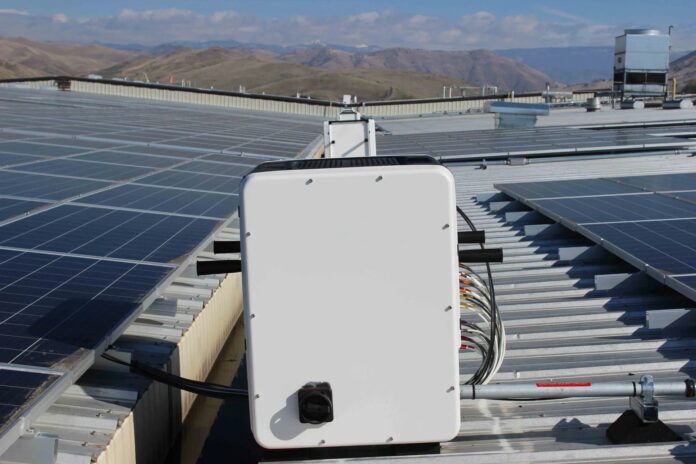
Now we’re getting to the exciting part. You’ve made your purchase; now, let’s maximize that investment. You’ve got the power here, literally. Here are some insider tips I wish I had known sooner — they can really make a difference.
Quality Over Price: Why Cheap Might Not Save You Money
I can’t stress this enough: going for cheap can backfire. If your inverter isn’t built to stand the test of time, you’ll end up spending more on repairs or even replacement. If you don’t want to be in the cycle of tossing money away, steer clear of that false economy trap.
Invest in quality products that align with your needs. Seek out models with excellent efficiency ratings and positive feedback from users. You want the Tesla of inverters, not a clunky old ride that sputters now and then. Make every dollar work for you; in the end, it’ll pay off.
- Prioritize efficiency ratings.
- Read authentic user experiences and case studies.
- Look into the inverter’s performance history.
Installation Secrets: Getting More Bang for Your Buck
Ever wondered why installation prices seem to differ so much? Here’s the scoop: it’s not solely about the equipment. Expertise matters just as much, if not more. A skilled installer can make your system run smoothly, while a hurried job can leave you swearing at your choices. I’ve seen rushed installations lead to systems that may look nice but don’t perform well. Don’t let that be your story.
So do your homework. Find installers with a solid reputation. Ask for references and check out their reviews. The right talent can mean the difference between a system that operates flawlessly and one that’s constantly struggling.
- Collect multiple quotes before making a choice.
- Confirm the installer’s experience with your inverter model.
- Don’t rush—proper installation is essential.
The Future of Inverters: Trends That Will Shape Your Choices
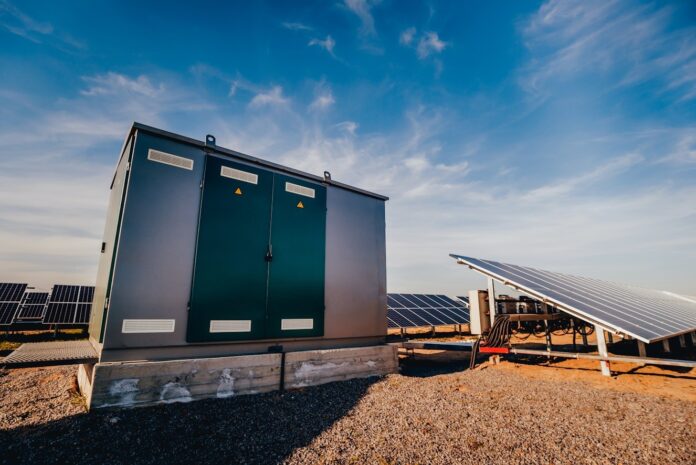
I get it, looking ahead can feel like staring into a crystal ball. But trust me, some trends are emerging that you should really keep an eye on. battery and solar inverters are evolving, and staying ahead of these changes could really pay off.
Smart Technology: Are You Ready for the Next Step?
Smart technology is no longer just for kitchen appliances. Inverters are changing fast, and you can’t afford to overlook this. The new models can connect to your home network, letting you control energy use straight from your smartphone. Yup, you can optimize everything from your couch. Embrace this change! Upgrading to a smart inverter could lead to unexpected savings. You don’t want to miss out on this wave.
The future isn’t just around the corner; it’s already happening with inverters. Don’t get left behind.
- Seek out models with Wi-Fi capability.
- Integration with smart home systems boosts control.
- Consider features like energy production analytics.
Regulatory Changes: What Could Affect Your Decisions
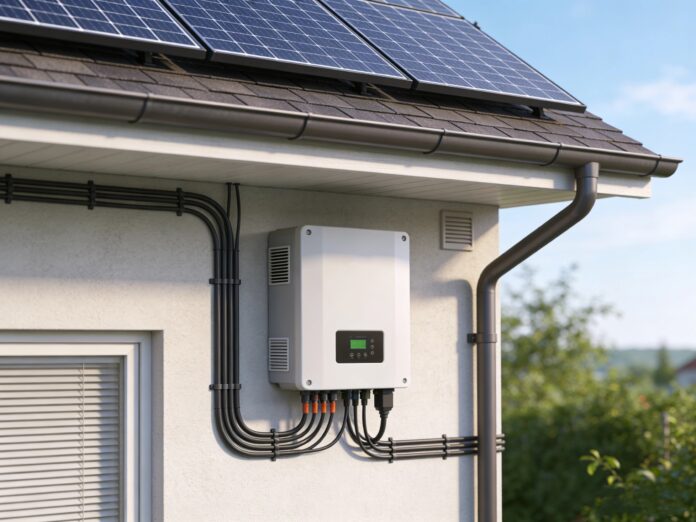
Regulations may seem like boring red tape, but they really hold immense power over what you can do with your solar system. Local and federal incentives can sway your choices, so keep your ear to the ground. Tax credits and rebates might drastically impact your finances.
Additionally, regulations around energy storage systems are evolving. From net metering policies to subsidies for battery installations, it’s crucial to stay informed. Overlooking these details could cost you both in savings and benefits. Be proactive about your research.
- Stay updated on local and federal incentives.
- Grasp net metering and its implications.
- Check how regulations may impact battery storage.
There you have it: battery and solar inverters aren’t just buzzwords in the green energy world. They hold the keys to your financial future and environmental impact. Choose wisely, learn continuously, and stay alert for the next big shift. Happy energy hunting!
FAQ
What types of warranties should I look for in an inverter?
A good warranty typically spans 5 to 10 years. Seek options that allow for extended warranties if you’re aiming for a long-term investment—proper support could save you a ton of trouble.
How can I ensure proper installation of my solar inverter?
Don’t rush this stage. Dedicate time to find a trustworthy installer with a proven track record. Asking for references and checking reviews can make all the difference. The right installation is fundamental to your system’s success.
Can solar inverters really integrate with smart home systems?
What are power optimizers, and do I need them?
Power optimizers serve as a middle ground between string inverters and micro-inverters. They boost energy production from solar panels but might not be necessary for every setup. Take a moment to assess your specific needs first.
How often should I check for updates on regulations and incentives?
Make it a yearly habit to review regulations. The landscape can change rapidly, and missing these updates could mean overlooking valuable savings or benefits.
What’s the main reason I might choose a micro-inverter over a string inverter?
Got shading issues on your roof—like trees or buildings nearby? In that case, micro-inverters are your best bet. They work independently, ensuring that shading on one panel won’t drag down the others’ performance.
Are there any hidden costs associated with solar inverters?
What should I prioritize when assessing solar inverter efficiency?
Pay close attention to efficiency ratings and user feedback. Models with high efficiency can greatly enhance your overall energy output, making these details critical in your evaluation process.