
Have you ever asked yourself how people can tell if content is written by a human or created by artificial intelligence?
With AI writing tools becoming common, this question feels natural. Many people now use AI to write essays, blogs, reports, and even creative pieces. While this saves time, it also brings a need to check which content is human-made and which is AI-written.
That is where AI detector tools come into play. These tools give confidence that content can be checked and verified in a simple way.
What Makes AI Detectors Useful Today
AI detectors are built to study text carefully and find out how it has been created. In 2025, they will use advanced methods that look at sentence flow, choice of words, and writing patterns. Human writing often carries natural variety, small imperfections, and personal style. AI content, on the other hand, follows patterns that machines often repeat. By looking at these fine details, AI detectors help teachers, companies, and writers confirm the originality of work.
Why 2025 Is Special for AI Detection
The year 2025 has become important because AI writing has reached a stage where it feels almost natural. This means AI detectors also had to become smarter. Modern tools are now trained on larger data and can study thousands of writing samples to find differences with high accuracy.
The process is smooth for users and provides clear results that make checking content much easier. This gives both professionals and everyday users trust in what they are reading or submitting.
How Do AI Detectors Actually Work?
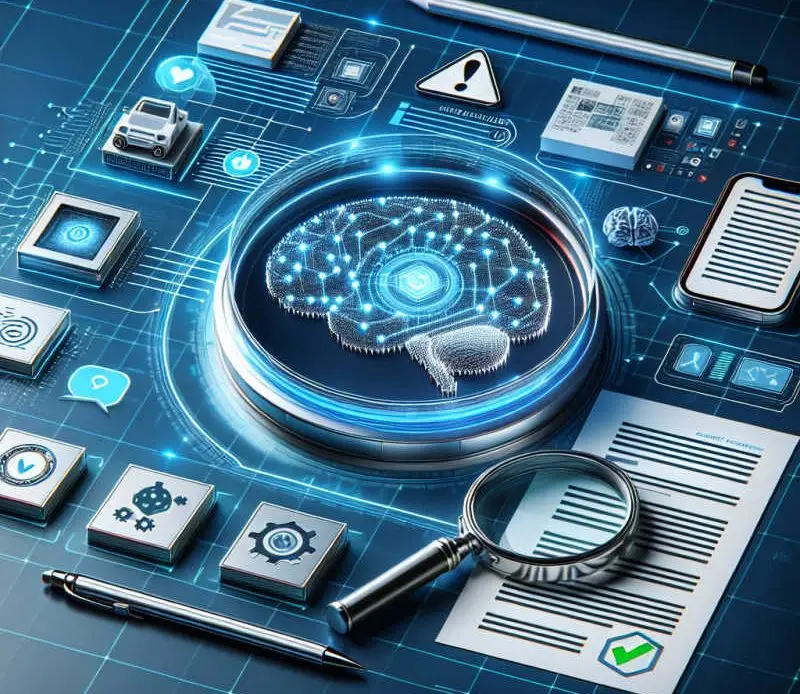
At first thought, it might seem difficult to separate human text from AI text, but detectors make it possible by using clever methods. They analyze grammar, vocabulary, and sentence style. Machines often stick to patterns, while humans tend to mix emotions, cultural references, and personal touch.
Detectors scan the entire text, compare it with training data, and provide a score that shows the likelihood of human or AI authorship. This process feels reliable and saves time.
The Role of Algorithms in Content Checking
AI detectors use smart algorithms that are updated regularly. These algorithms don’t just look for mistakes but also study how ideas connect across sentences. For example, humans usually write with feelings, stories, and small unique expressions.
Machines may follow a neat structure that feels too perfect. Algorithms can easily spot this difference, which makes them strong tools for schools, businesses, and even casual users who want peace of mind.
How Accuracy Has Improved Over Time
Earlier AI detectors were simple and gave broad guesses. By 2025, accuracy levels have improved to the point where users can rely on results for important decisions. This progress comes from continuous learning.
Detectors learn from both human and AI text every day, and this learning keeps refining their checking ability. As a result, people now trust them more for academic, professional, and creative needs.
Why Are AI Detectors Popular Among Different Groups?
AI detectors are not limited to one type of person. They are useful for students, teachers, writers, publishers, and even businesses. Students use them to confirm originality before submitting assignments. Teachers use them to check fairness in exams and essays.
Writers rely on them to ensure their voice is not mistaken for machine-generated text. Businesses benefit by checking the authenticity of reports or marketing material. The use cases are wide and helpful in all directions.
The Role in Education
Education is one of the biggest areas where AI detectors shine. In classrooms, teachers can now maintain fair practices by checking content quickly. This also encourages students to focus on their personal writing style, knowing that originality is valued.
For students, it gives comfort to check their work before submitting. This builds trust between students and teachers and improves the overall academic environment.
Benefits of Professional Writing
Writers who create articles, blogs, or research papers also find AI detectors useful. By using these tools, they can ensure their content reflects their personal touch.
Professional settings demand authenticity, and detectors help meet that need. This is why many freelance writers, editors, and companies have started adding AI detection tools into their daily workflow.
Use in Everyday Online Content
Apart from schools and offices, even normal internet users benefit. With so much information online, it feels good to know if something is AI-written or human-written. For example, someone reading a review, recipe, or news piece may want to confirm its origin. AI detectors give them that clarity instantly. For those curious to explore, tools like an AI detector are available to provide such checks in 2025.
How Do AI Detectors Keep Improving in 2025?
One of the reasons these tools stay useful is that they keep learning. Developers train them on new data regularly. Since AI writing keeps getting smarter, detectors also adapt to these changes. This constant growth ensures that detection stays strong and reliable. The tools also become faster, giving results in seconds instead of minutes.
Smarter Training Data
AI detectors in 2025 rely on large and diverse training data. They are not limited to one type of writing but study examples from across different subjects, tones, and formats. This wide range of learning makes them flexible and accurate when faced with new content. By comparing text with this training data, detectors give reliable answers across fields like science, literature, business, and more.
User-Friendly Results
One reason these tools are liked by many people is their simple design. Results are shown in clear terms without any confusion. Users do not need technical knowledge to understand them. With one scan, they get a percentage or label that helps them judge the text. This simplicity is why AI detectors have grown so quickly in popularity.
Why Will AI Detectors Remain Important in the Future?
AI writing tools are here to stay, and that means AI detectors will always have a place. They bring fairness, trust, and clarity in times when people want to know the source of content. As technology moves ahead, both AI writers and detectors will grow together. For users, this means having stronger support to maintain originality and quality in every piece of text.
Building Trust in Content
When readers know content has been checked, they feel more confident in its value. Trust plays an important role in both education and professional life. AI detectors provide this trust by confirming what type of text is being shared. This is why their role will remain strong in the years ahead.
Supporting Human Creativity
Far from replacing humans, AI detectors encourage originality. They help highlight the importance of personal style, storytelling, and unique expression. Writers can confidently create content knowing it reflects their voice, while readers enjoy authentic experiences. This positive cycle strengthens human creativity while still using technology as a helpful support.
To Sum Up
In 2025, AI detector tools will be reliable companions for anyone who values originality. They make it easy to confirm whether content is human-written or AI-generated. With smart algorithms, better accuracy, and easy results, they serve students, teachers, writers, and everyday readers. These tools are not about replacing creativity but about celebrating it by ensuring authenticity. As AI grows, detectors like these will continue to support fair use and trusted communication across all fields.