
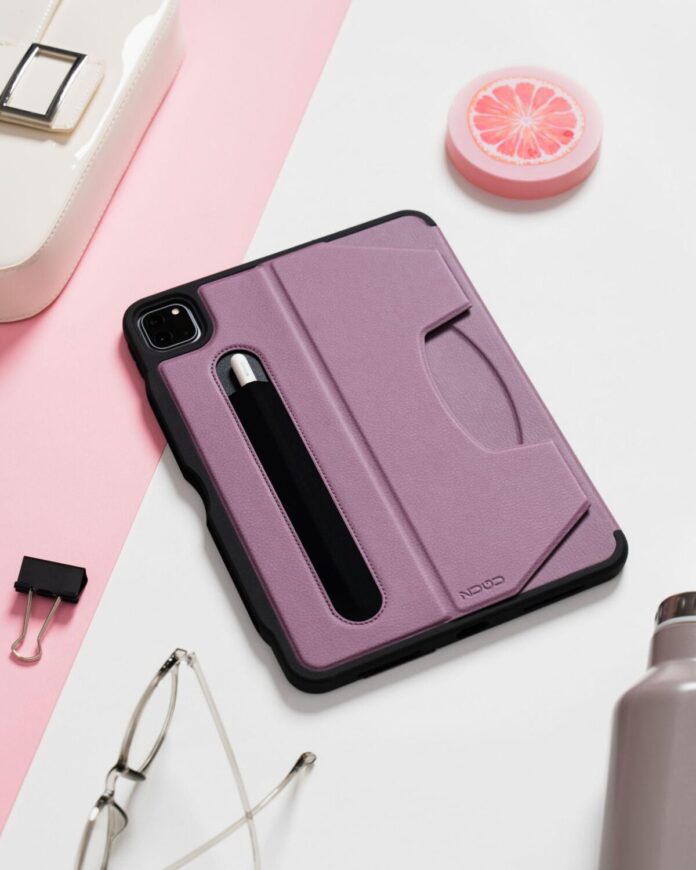
The iPad has come a long way from being a device primarily used for streaming, browsing, and playing games. For many professionals, it is now an everyday work tool used for taking notes, reviewing documents, presenting ideas, sketching designs, joining video calls, and working on the move.
That changes what you need from an iPad case.
If your tablet travels between your home, office, client meetings, coffee shops, airports, and hotel rooms, protection matters. But wrapping a slim, portable device in the bulkiest case you can find isn’t necessarily the answer.
A good professional iPad case needs to protect your device while making it easier to use. Here are seven features worth considering.
1. Protection That Matches Your Working Environment
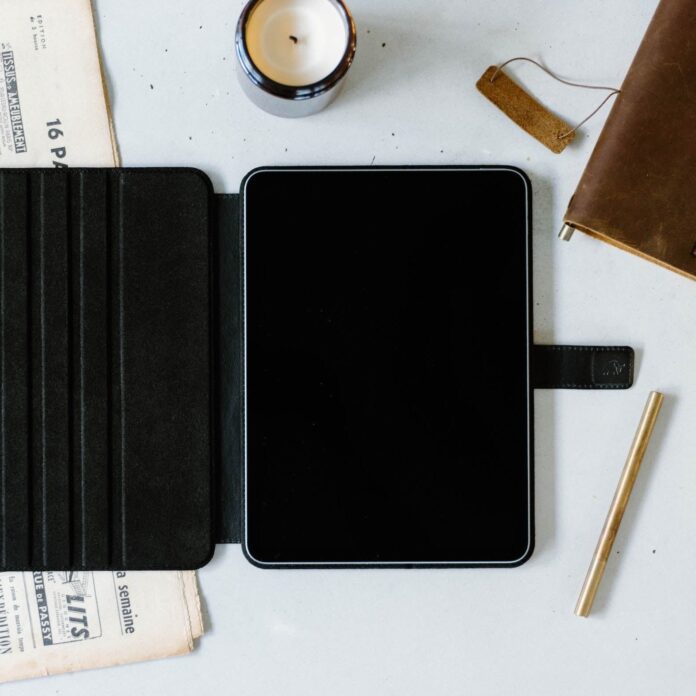
Start by thinking about where you actually use your iPad.
Someone carrying a tablet around a construction site may need a specialist rugged case designed for particularly demanding conditions. An accountant, designer, consultant, teacher, or sales professional faces a different set of risks.
For most professionals, everyday accidents are the bigger concern: dropping an iPad while taking it out of a bag, knocking it off a desk, bumping it during a commute, or watching it slide dangerously close to the edge of a coffee-shop table.
Look for a case that offers meaningful drop protection and good coverage around vulnerable areas without automatically assuming that bigger and heavier means better.
2. A Professional Design
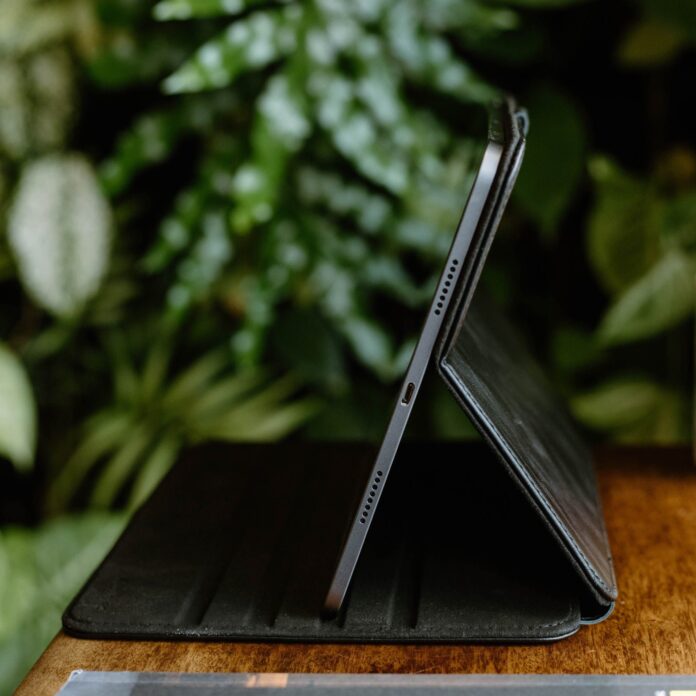
Your phone case can spend most of the day in your pocket. Your iPad case is considerably more visible.
If you take your tablet into meetings, make presentations, visit clients, or work in public spaces, its case effectively becomes part of your professional setup.
That doesn’t mean it needs to be boring. It means you should think beyond purely industrial designs.
Premium materials, a streamlined profile, thoughtful detailing, and a choice of colors can provide protection without making your iPad look as though it belongs on an expedition.
This is one area where consumer tech accessories have evolved considerably. Strength and style are no longer mutually exclusive.
3. Multiple Working Angles
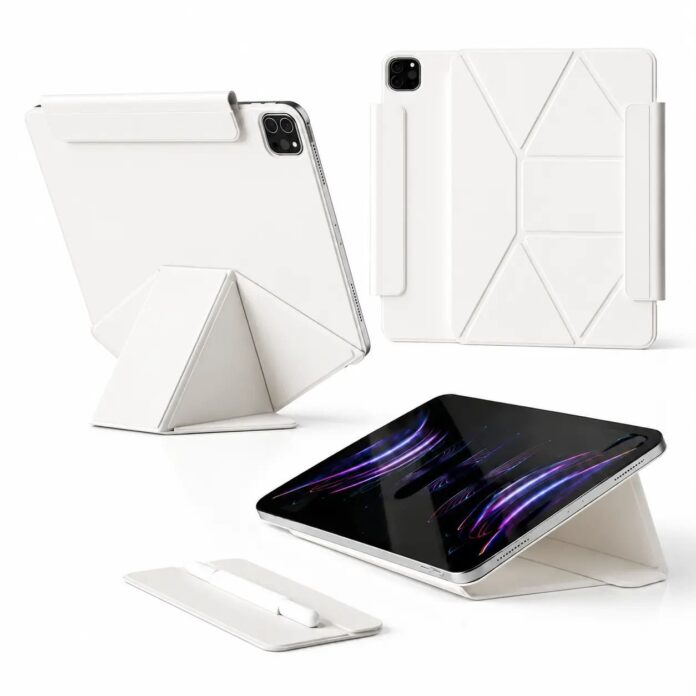
A stand is one of those iPad case features that can seem insignificant until you use it several hours a day.
One fixed angle might work perfectly for watching a movie, but become frustrating when you’re trying to type, draw, annotate a document, or join a video meeting.
Professionals who use their iPads for different tasks should look for a stable stand with multiple viewing positions.
Lower angles can be more comfortable for writing or drawing with Apple Pencil, while more upright positions are useful for reading, video calls, presentations, and using an external keyboard.
Stability matters too. A stand that collapses when you press the screen can quickly become more annoying than useful.
4. Apple Pencil Compatibility and Storage
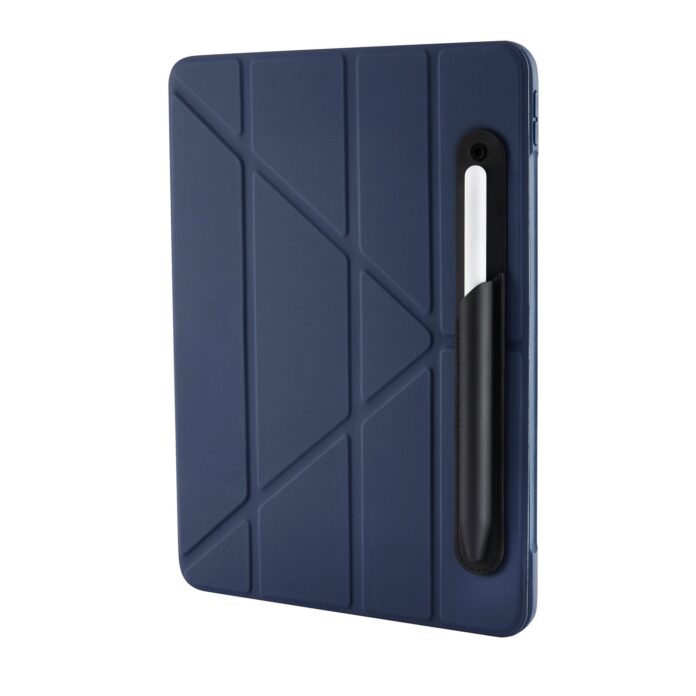
For many professional iPad users, the Apple Pencil is an essential part of the setup.
Architects and designers can sketch ideas. Managers can annotate documents. Students and educators can take handwritten notes. Photographers and other creatives can make precise edits.
If you regularly use one, make sure your case doesn’t interfere with compatible Apple Pencil charging and attachment.
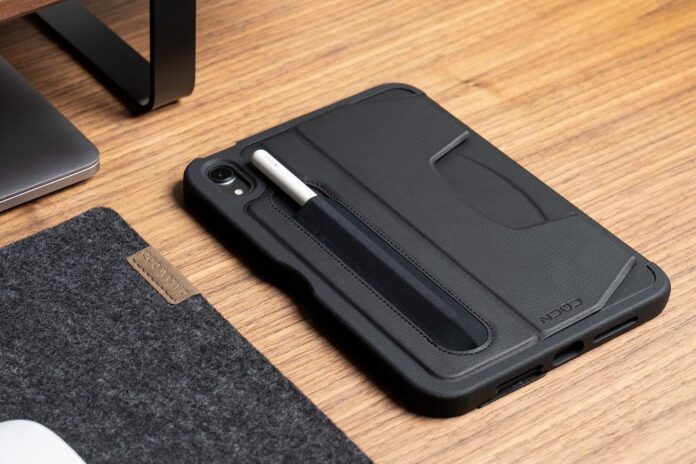
Storage is also worth considering. The Apple Pencil is small enough to disappear surprisingly easily, particularly when you’re moving between workspaces. A dedicated holder or pocket gives it somewhere secure to live when you’re not using it.
5. Portability Without Unnecessary Bulk
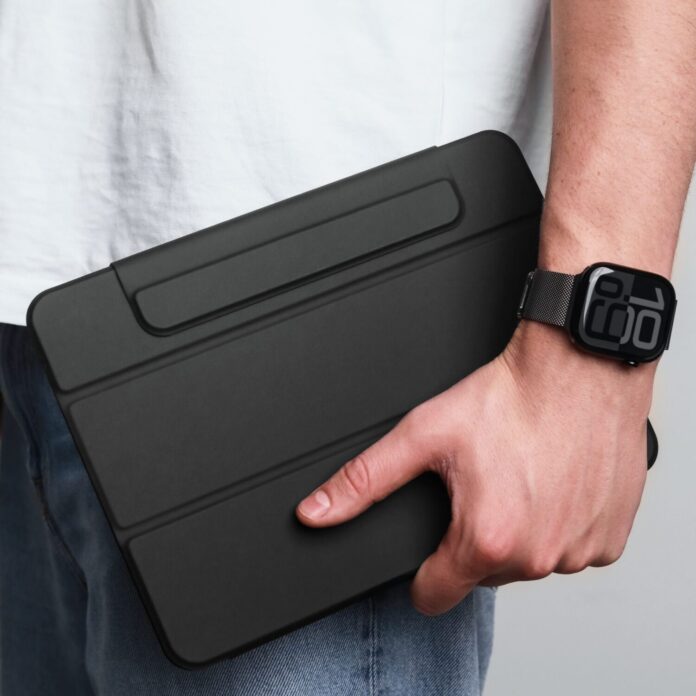
One of the iPad’s greatest advantages is portability, so be careful not to undo it with your choice of case.
Extra protection inevitably adds some weight and thickness. The question is how much you’re willing to carry every day.
If your iPad spends most of its life in one location, this may matter less. If you’re commuting, traveling for work, or regularly moving between appointments, the difference becomes much more noticeable.
The aim should be to find a balance: enough protection to feel confident carrying your device around, without making it unnecessarily cumbersome.
For example, ZUGU iPad cases combine a slim, professional design with reinforced construction and up to 5 ft. of drop protection, along with features such as multiple magnetic stand angles and Apple Pencil storage.
It’s a useful example of how modern protective cases can prioritize durability without adopting the bulk and appearance of a traditional rugged case.
6. Features That Support How You Actually Work
The best accessories solve small problems you encounter repeatedly.
Perhaps you regularly follow reference material while working and need your screen positioned at eye level. Maybe you use your iPad as a second display, give presentations from it, or follow tutorials while working with your hands.
This is why it’s worth looking beyond basic protection.
Features such as magnetic mounting, adjustable stands, auto sleep/wake covers, ventilation, and accessory storage might sound minor individually. When you use your iPad every day, these features can make a noticeable difference.
Think about your typical working day and identify the moments when your tablet becomes awkward to hold, position, or carry. Then choose a case that solves those problems.
7. Long-Term Durability
Finally, don’t confuse durability with drop protection alone.
Dropping an iPad is an occasional event. Using its case is something you do every day.
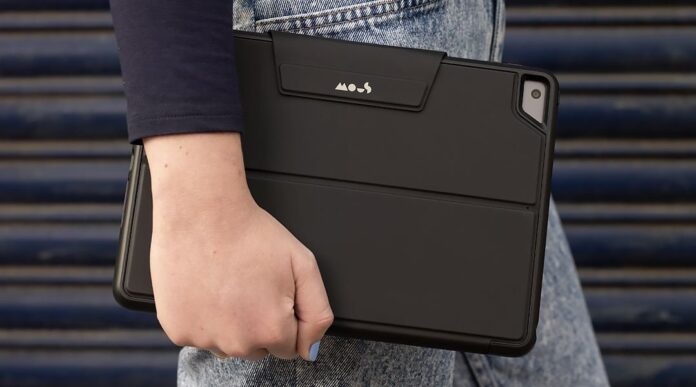
A professional case may be opened and closed thousands of times. Its stand will be repeatedly adjusted, its magnets used, its edges handled, and its materials exposed to bags, desks, travel, and the general wear of working life.
Look for quality materials and construction that can withstand repeated use.
A durable case should ideally remain with your iPad for years, rather than becoming another accessory that needs replacing every few months.
Choose a Case for the Way You Work
There’s no single best case for every professional because there’s no single way to use an iPad professionally.
A designer drawing throughout the day has different priorities from a consultant moving between client meetings. A frequent business traveler needs something different from someone whose iPad rarely leaves their desk.
The trick is to stop thinking about an iPad case as simply a protective shell.
Consider protection, certainly, but also portability, working angles, accessory compatibility, appearance, and long-term durability.
After all, if your iPad has become part of your professional toolkit, its case should help it do the job.