
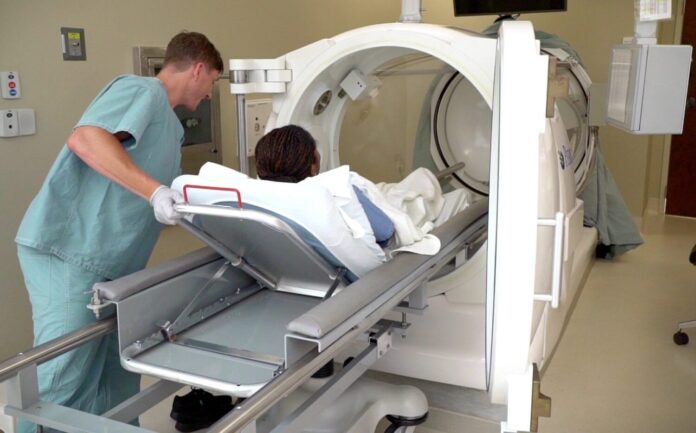
Hyperbaric oxygen therapy used to feel like something reserved for hospitals and specialized clinics, mostly mentioned in recovery units or athletes’ medical rooms.
In 2026, that boundary looks very different. HBOT is no longer locked behind strict clinical walls. The wider wellness world has adopted it as part of a larger shift toward regeneration, longevity habits and performance stacking.
People who once relied on supplements or sauna sessions are now sitting inside oxygen chambers as casually as they book cryotherapy or a massage. This blend of medical structure and biohacking culture is exactly what shapes HBOT’s rise today.
Why HBOT Became a Mainstream Wellness Trend
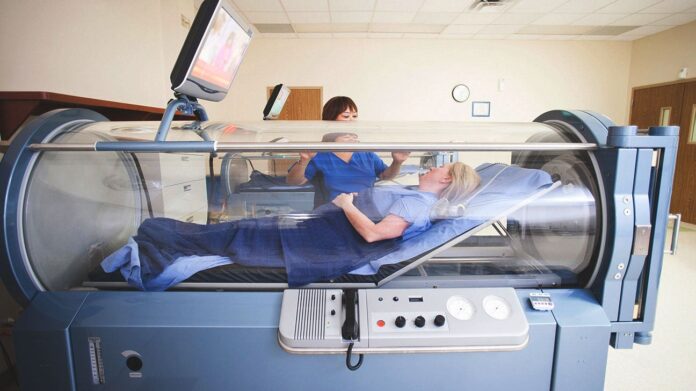
Before 2026, HBOT had a reputation for being technical, expensive and tied tightly to medical indications. Today, the average person approaches it with curiosity rather than intimidation. The appeal comes from straightforward logic.
More oxygen delivered under pressure improves perfusion in tissues that usually struggle to receive enough of it. That simple mechanism aligns perfectly with what modern wellness seekers want, which is faster recovery, sharper cognitive energy and better stress tolerance.
This shift did not happen overnight. It came from years of clinics refining protocols, influencers sharing their recovery routines and researchers expanding what HBOT can support outside of emergency medicine.
Where Consumers First Encounter It
Many people’s first experience comes through local performance centers or premium gyms rather than hospitals. In places like Los Angeles, HBOT is part of a larger regenerative menu. When someone books a session through a facility offering a hyperbaric chamber LA service, the interest often grows from casual experimentation into regular practice.
These centers tend to simplify the onboarding process, making HBOT feel less like a medical appointment and more like a wellness enhancement that fits into a busy schedule. For many, that accessibility is exactly what converts curiosity into long term use.
How a Hyperbaric Chamber Works in Practice
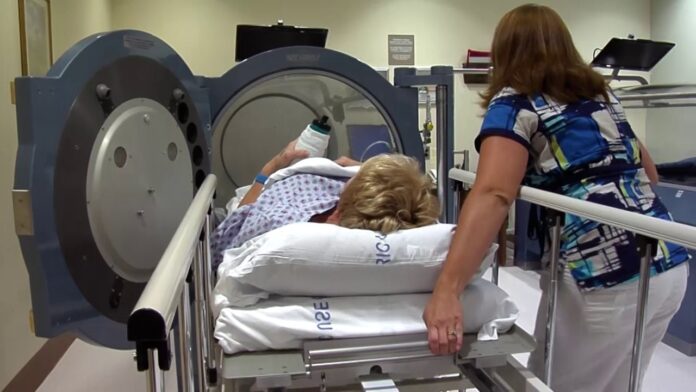
The setup appears futuristic, but the mechanics are simple once explained. The chamber increases atmospheric pressure while the person inside breathes nearly pure oxygen. At that pressure, oxygen dissolves more effectively into plasma, which helps tissues that normally struggle with low supply.
Even people who do not follow medical literature understand the practical benefits, since improved oxygen delivery matches the goals of recovery, collagen repair, cognitive stamina and post workout healing.
Key Functions
Here is what happens during the typical session:
- The chamber elevates pressure gradually to a controlled target.
- Higher pressure enables more oxygen molecules to dissolve into plasma.
- Circulation carries that oxygen to areas with restricted blood flow.
- Cellular repair signals increase, which influences inflammation and recovery pathways.
Each step builds on the previous one, creating an environment where the body can repair more efficiently than it would during ordinary breathing conditions.
The 2026 HBOT User: Who Is Actually Booking These Sessions
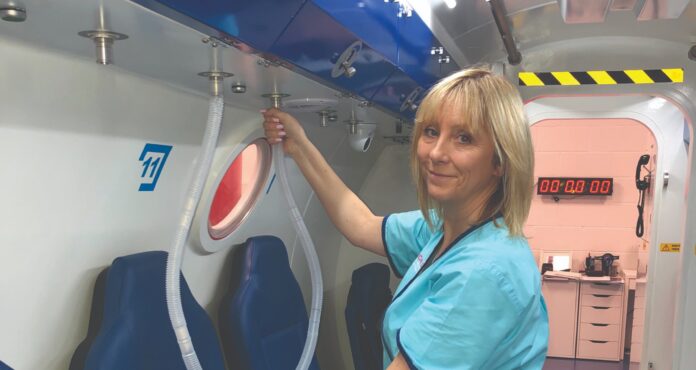
The range of people using HBOT in 2026 is surprisingly broad. It is no longer tied to athletes or individuals recovering from injuries. Now the typical user base includes office professionals, parents balancing tight schedules and individuals in high pressure careers who want more consistent energy.
Breakdown of Today’s Users
| User Group | Primary Motivation |
| Athletes | Faster recovery and performance stability |
| Executives | Mental clarity and stress management |
| Longevity seekers | Cellular repair and healthy aging |
| Individuals with inflammation patterns | Symptom moderation |
This table reflects why the therapy’s popularity has expanded. Every group approaches HBOT from a different angle, yet the mechanism supports all of them.
Such variety also pushes clinics to design adaptive protocols. Instead of one general session plan, modern centers develop programs focused on goals like sleep, stress recovery, skin health or cognitive performance.
Oxygen Pressure Changes Cellular Behavior
Many users assume HBOT simply “adds oxygen”, but the deeper shift happens inside cellular pathways.
Increased oxygen pressure stimulates angiogenesis, improves mitochondrial efficiency and reduces inflammatory signals that block tissue regeneration.
This is the reason HBOT gained traction in fields like aesthetic wellness, sports medicine and performance psychology. The therapy influences processes that overlap with some of the biggest wellness priorities of 2026. Better mitochondrial function means more stable energy. Angiogenesis enhances healing. Reduced inflammation supports everything from joint comfort to skin texture.
These scientifically grounded mechanisms separate HBOT from short term wellness fads. The experience feels relaxing, but the cellular changes underneath make it biologically meaningful.
Why Biohackers Embraced HBOT So Aggressively
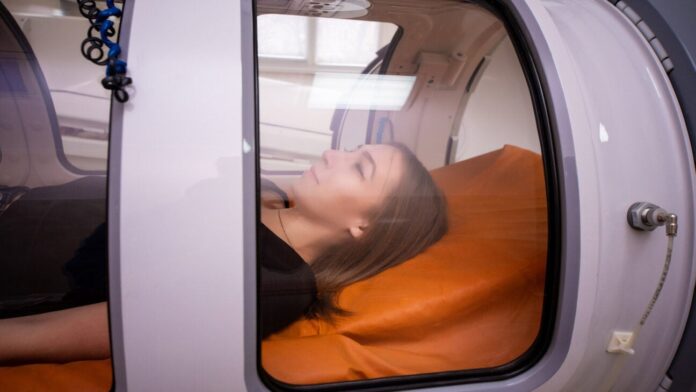
Biohackers rarely adopt a technology halfway. Once HBOT entered their world, the integration became comprehensive. They stack it with sauna therapy, cold plunging, red light panels and sleep tracking routines. The logic is strategic.
HBOT amplifies recovery quality, which influences how well all the other tools work. When energy extraction improves at the cellular level, exercise adaptation and stress resilience improve with it.
Common Biohacking Stacks
- Red light therapy sessions before chamber use to prime mitochondria.
- Cold exposure after HBOT to reinforce recovery and regulate inflammation.
- High quality sleep tracking to measure HRV changes following sessions.
- Nutrient timing to maximize tissue repair on HBOT days.
Not every user follows this style, but this is the environment that helped HBOT enter mainstream culture. The modern wellness landscape rewards methods that show measurable effects, and HBOT consistently does.
Hospitals vs Consumer Clinics: What Changed in 2026
Hospitals still rely on HBOT for medically established indications. What changed in 2026 is the parallel growth of consumer facing clinics. These centers provide comfort focused environments with scheduling flexibility and personalized session plans. They operate with medical oversight but package the experience in a calmer, more approachable way.
What Differentiates the Two Settings
- Hospital HBOT focuses on urgent or strict medical indications.
- Consumer clinics focus on performance, recovery and wellness maintenance.
- Hospitals follow rigid protocols, while wellness centers allow adaptive session planning.
- Consumer environments prioritize atmosphere, privacy and comfort layouts.
This dual ecosystem is what turned HBOT from a specialized tool into an approachable lifestyle technology.
How People Evaluate HBOT Providers in 2026
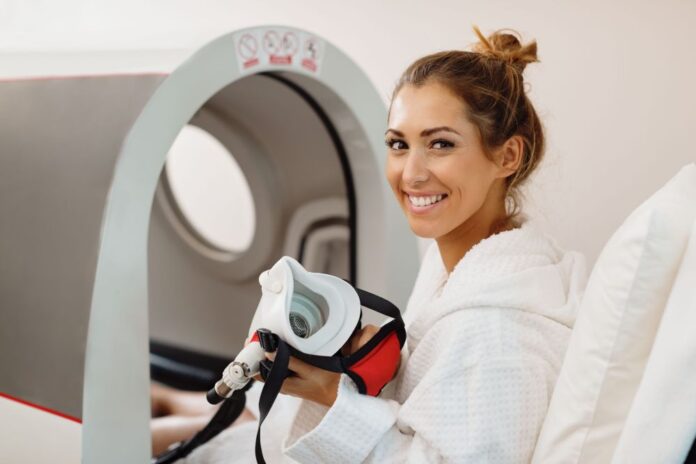
Because more facilities offer the therapy now, users have become thoughtful about how they choose a provider. The best clinics present clear protocols, qualified supervision and transparent outcomes. People no longer book based only on convenience. They compare features, environment design and the experience of the staff guiding them.
Key Criteria for Patients and Consumers
- Qualified medical oversight during sessions.
- Well maintained chambers with validated pressure controls.
- Clean, comfortable environment with reliable ventilation.
- Clear explanation of session goals and realistic expectations.
- Transparent pricing and well structured packages.
This set of expectations reflects how mainstream the therapy has become. Users behave like informed consumers rather than hesitant patients.
Where HBOT Fits in the Future of Wellness
Hyperbaric oxygen therapy shows no sign of slowing down. If anything, the momentum is accelerating thanks to research on recovery biology, oxygen dynamics and neurocognitive resilience.
The therapy bridges medical structure with lifestyle interests, which positions it uniquely in the 2026 wellness landscape. It does not replace traditional health care, but it fills the gap between treatment and optimization.
People want tools that enhance daily capacity, not just repair damage after it happens. HBOT sits comfortably inside that category and will likely expand even further as equipment becomes more compact, user friendly and integrated into multidisciplinary wellness centers.