RV collision repair usually comes with a host of hidden costs. Think shop fees, rental expenses, and depreciation—things many owners overlook when they’re budget planning.
Not every damage might be covered by your insurance in RV collisions. Common gaps in coverage can include missing options and hefty deductibles that might leave you financially vulnerable.
While DIY repairs can sound appealing, they can be risky. Inexperienced folks, especially, should steer clear of structural damage that’s better off in the hands of professionals with the right skills and tools.
On the flip side, professional repair services guarantee quality, save you time, and offer warranties to protect against future problems. So, they often make a lot more sense than going the DIY route.
As for how long repairs take, it can really vary. Parts availability and the shop’s workload can lead to unexpected delays, so be ready for that.
There are many myths floating around about RV repair. For instance, many believe that all insurance policies cover every possible cost, or that dealerships always provide the best service—both of which are not set in stone.
It’s also worth noting that not all RV repair experts are on equal footing. By understanding true repair costs and considering options like salvaged parts, you could improve your financial situation.
Unmasking Hidden Costs of RV Collision Repair
What You Didn’t Budget For
Let’s cut to the chase: RV collision repair can end up feeling like a financial black hole. Most folks say they’ve covered all the bases in their budgets—like parts and labor.
But here’s the kicker, hidden costs often sneak up on you. Think about those unique parts for RVs. They don’t just skimp on price; they usually take longer to get, which can inflate labor costs too.
And that’s not even scratching the surface. When you’re diving into this kind of repair, don’t overlook:
- Shop Fees: These can include things like hazardous waste disposal, environment fees, and those odd surcharges that just seem to show up on your bill.
- Rental Costs: You’ll likely need a rental RV or another vehicle while yours is out of commission, and that can quickly add up.
- Depreciation: It’s surprising, but your RV starts losing value even while it’s in for repairs.
If you think your insurance will cover all that—think again. This takes us to the next critical topic.
Insurance Pitfalls: Are You Covered?
Insurance may feel like a safety net, but the reality is, it can unravel faster than you’d think.
Many RV owners are left stunned when they find that their policies don’t cover every cent of damage, particularly when it comes to comprehensive coverage. You pay those premiums every month, don’t you? So where’s the peace of mind?
Some places where your coverage might drop the ball include:
- Missing Coverage: Standard auto policies can miss critical parts of RV coverage. Always read your policy details closely.
- Deductibles: High deductibles can turn your claim into a financial loss. Are you ready for that possibility?
- Authorized Repair Shops: Some insurance companies want you to take your RV to specific shops. But what if they don’t have the expertise you actually need?
“Not all repair shops are created equal; just because your insurance company suggests one doesn’t mean they’re the right fit for your RV.”
DIY vs. Professional: The Real Trade-offs
When to Roll Up Your Sleeves
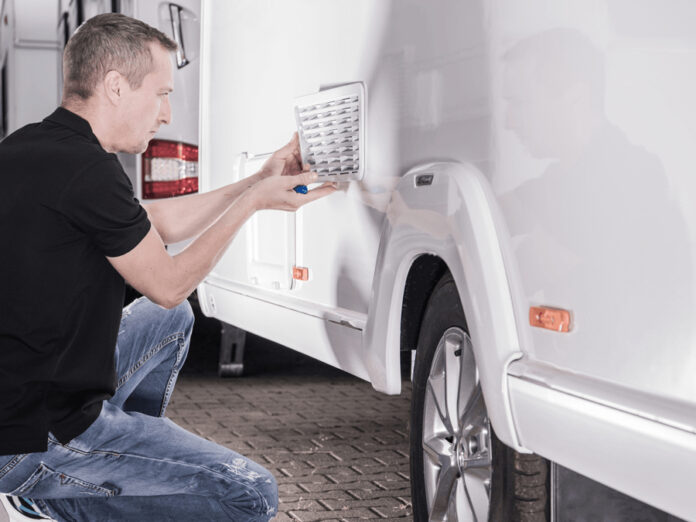
Let’s be real; the idea of handling rv collision repair yourself has its charm. It feels empowering, right? You save money, and who doesn’t like that sense of accomplishment? But before you dive headfirst into DIY, pause for a moment: do you truly know what you’re getting into? Are you equipped to handle this job?
Sure, you might manage minor fixes like smoothing out a dent or swapping out a light fixture. But once you start getting into structural damage or significant bodywork, that’s a different story altogether. Here are some things to think about:
- Skill Level: Be honest with yourself; do you have the right know-how?
- Tools Required: Many DIY jobs need specialized tools you might not own. What’s that gonna cost you?
- Time Commitment: Are you ready to dedicate countless weekends and evenings to tackle this project?
If you find yourself answering “no” to any of these questions, or if the repairs seem to be escalating beyond your comfort zone, it may be time to bring in the professionals.
Experts vs. Amateurs: A Costly Mistake
The right professionals can speed up the repair process and save you from creating more chaos. Think about it: seasoned repair technicians have seen it all.
They know where the common traps lie and how to handle surprises. I’ve noticed that, at times, that expertise can directly translate to significant savings.
Here’s why going professional often makes the most sense:
- Quality Assurance: Professionals put their name on their work. That’s not something a DIY approach can promise.
- Time Efficiency: They often help you get back on the road faster, preventing extra costs from delays.
- Warranty on Repairs: Many shops back their work with warranties, giving you protection that DIY doesn’t offer.
Investing in professional help might feel steep right now, but it’s an investment in peace of mind. If something goes wrong further down the line, you have some cushion.
The Truth About Repair Timelines
Why Waiting Times are Longer Than You Think
So, brace yourself for some news: if you think your RV’s repair timeline looks simple on paper, just wait until you hand over those keys. Repair timelines rarely follow a straightforward path.
Part of the problem is parts availability—those RV parts aren’t exactly just sitting around at the local shop. Quite often, they’re special orders that could take forever to get.
Let’s not forget about the shop’s workload too. Have you thought about how busy well-regarded collision repair shops might be?
They might have a lineup of RVs waiting for their turn. It’s almost like an exclusive club you didn’t want to join in the first place.
Here are a few truths about timelines that might have you grabbing a coffee:
- Part Backlogs: Hard-to-find parts can lead to major delays.
- Labor Bottlenecks: Complex repairs often take a backseat to simpler jobs.
- Unexpected Damages: If they discover more problems once they start, that definitely means more wait time.
Who would have thought repairs could involve so much waiting? And there’s still more!
Emergency Repair or Routine Fix? What to Expect
If you find yourself dealing with an emergency repair while also trying to get a routine fix done, it can get wild. Emergency repairs have their own set of complications.
Your shop possibly has clients buzzing in with their urgent cases.
Think you’ll get to jump to the front of the line? Good luck with that. Rushing to fix your RV can lead to shoddy work and results that might not meet your standards.
Here are a few essentials to remember while you’re waiting:
- Communication: Keep in touch with the shop; they might have updates or solutions for you.
- Patience: It’s a rough ride; remember, you’re not the only one stuck in this situation.
- Cost Implications: Emergency repairs often come with inflated bills due to overtime rates.
“Sometimes waiting is just part of the process, and the best approach is to mentally prepare for what’s ahead.”
Avoiding Common Repair Myths
Fact or Fiction: The Most Misunderstood Concepts
Time for a reality check. There’s a slew of myths out there about RV collision repair. It’s really crucial to separate fact from fiction so you don’t end up making pricey mistakes.
One common myth is that insurance covers all repairs, which, as we discussed, isn’t always the case. Plus, there’s the belief that your dealer is always the best option for repairs.
These misconceptions don’t just annoy; they can hit your wallet hard. Check out these common beliefs:
- All Insurance Policies Cover Everything: Not quite. Coverage varies a lot.
- Dealerships are the Best: Not all dealerships have solid RV experience.
- DIY Can Always Save You Money: Sometimes, going down that route ends up costing you more because of mistakes.
Don’t fall for these myths without doing your research. Knowledge is your strongest asset here.
What ‘Expert’ Opinions Get Wrong
Let’s clear this up: not every “expert” knows what they’re talking about. In this field, you’ll hear advice that ranges from spot-on to completely off-base.
One common miscalculation is underestimating the long-term costs of opting for a bargain repair. Sure, you might save some cash now, but what happens down the line? It’s like trying to seal a gaping wound with a Band-Aid.
Additionally, a lot of supposed experts seem to favor brand-new parts over salvaged ones, but honestly, used parts can sometimes be a smart alternative if you source them right. They can be just as good—at a much lower price.
- Sourcing Used Parts: Only buy from reliable sources.
- Evaluate the Warranty: Salvaged parts often come with warranties too, so don’t overlook that.
- Consider Local Shops: They might have excellent alternatives and quicker service.
Staying informed will not only save you money; it could also save the life of your RV. So, think critically before making decisions. If you’re in doubt, ask questions, and don’t settle with mediocre responses.
In the end, RV collision repair isn’t just fixing damage; it’s a complex interplay of budgeting, skills, and a fair bit of patience. Being savvy will be your best tool for navigating these tricky waters. With the right insights, you can transform what may feel like a disaster into just another adventure in your RV journey.
FAQ
What should I know about maintaining my RV to prevent collisions?
Preventing collisions starts with regular upkeep. Check tire pressures, brakes, and lights regularly. Make sure your RV’s weight is balanced; overloaded RVs can lead to accidents. In short, a little diligence can save you from costly repairs later.
How does my driving influence the likelihood of needing repairs?
Your driving habits play a significant role in wear and tear. Aggressive driving, sudden braking, and sharp turns contribute to quicker damage. Consider this: smooth and cautious driving is not only safer; it helps prolong the life of your RV.
Are there specific features to look for in an RV repair shop?
Definitely. Aim for shops specializing in RV repairs. Check reviews and inquire about their warranty policies. A shop that invests in training and has updated equipment is potentially worth the investment—don’t settle for anything generic.
What happens if I encounter a disagreement with my insurance company about coverage?
Disputes can be frustrating but sometimes arise. Keep meticulous records of all communications and expenses. If things stall, consider bringing in an insurance adjuster for a second opinion. Clear communication is key in resolving confusion; don’t let your claims drift into uncertainty.
Can I file a claim even if I didn’t cause the collision?
What’s the best way to find a trustworthy repair technician?
Your best bet? Personal recommendations from fellow RV owners. Online reviews are also incredibly helpful. When talking to potential technicians, ask about their experience with your specific RV model. A technician familiar with your rig is invaluable; don’t settle for less.
How often should I get my RV checked by a professional?
Plan for at least annual inspections, or even more frequently if you’re putting your RV through its paces. Regular check-ups can catch problems before they escalate. Think of it as getting a physical; it’s an investment in the longevity of your vehicle.
Are there common misconceptions I should be aware of when it comes to RV insurance?
One standout misconception is assuming all policies are the same. They simply aren’t. Coverage varies greatly, with many lacking comprehensive options. Always read the fine print, and don’t take your policy’s promises at face value. Ignorance won’t bring you bliss; it could cost you dearly.