Looking expensive in winter has very little to do with wearing designer labels and everything to do with structure, fabric choice, color discipline, and proportions. Cold weather actually makes it easier to look polished because layering naturally adds depth and form.
The difference between a sloppy winter outfit and one that looks high-end usually comes down to a few repeatable formulas that never fail. When you understand those formulas, you can build a wardrobe that looks intentional, refined, and put together every day without needing a closet full of luxury brands.
The key is not chasing trends but mastering combinations that communicate quality. These winter outfit formulas rely on timeless silhouettes, clean lines, and materials that age well. When applied correctly, they make even affordable clothing look controlled and elevated.
1. The Long Coat + Knit + Tailored Bottoms Formula
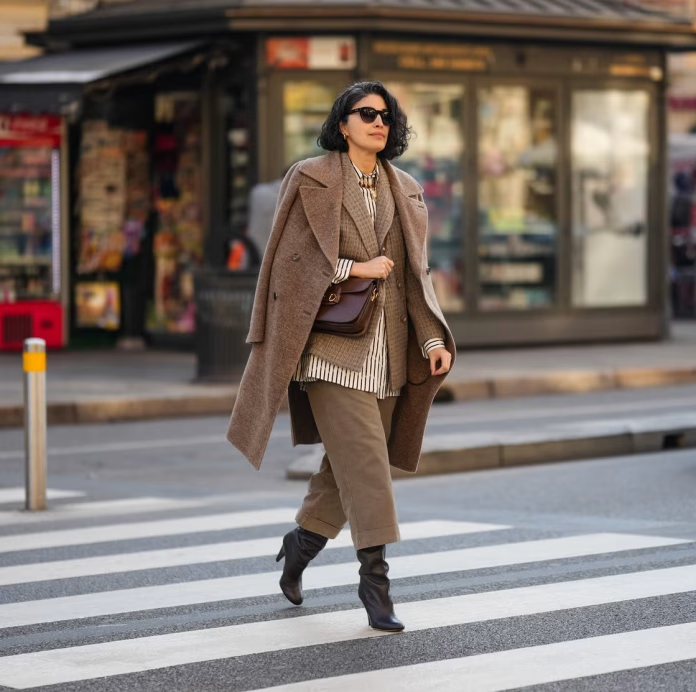
Nothing signals winter elegance faster than a well-structured long coat. The length alone creates vertical balance, while the tailored shape sharpens the entire outfit. Underneath, a simple knit sweater adds softness without breaking the silhouette. Tailored trousers or structured jeans finish the look with purpose.
This formula works because each layer plays a clear visual role. The coat defines the outer structure. The knit softens the center. The trousers anchor the lower half. There is no visual confusion.
Wool, cashmere blends, or heavy recycled fibers give the coat weight, which instantly reads as expensive. Even minimalist colors like camel, charcoal, or deep navy elevate the look. Underneath, a fine-gauge knit avoids bulk. On the bottom, straight-leg or softly tapered pants keep the proportions calm and balanced.
Footwear should match the structure. Leather ankle boots, knee-high boots, or sleek loafers support the tailored feel. Accessories remain minimal because the structure already does the work.
This formula works effortlessly because it mirrors how luxury fashion houses design winter collections: architectural outerwear, clean layering, and quiet finishing pieces.
2. All-Neutral Layering for Instant Sophistication
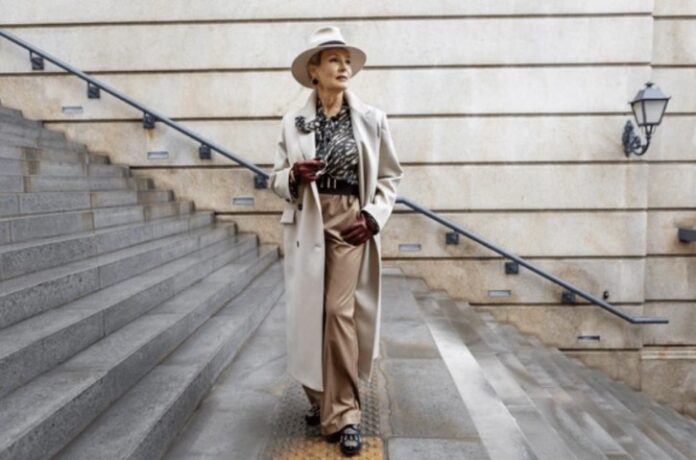
Neutral layering is one of the most reliable ways to look expensive without effort. This formula focuses on using variations of one color family, such as cream, beige, grey, taupe, or soft brown. When all layers sit within the same tonal range, the outfit automatically feels cohesive and intentional.
The secret is contrast through texture rather than color. A wool coat over a ribbed turtleneck with smooth, tailored trousers creates depth without visual noise. Knits, leather, wool, and cotton all reflect light differently, and that subtle play creates richness.
This is the type of formula you often see in minimalist Scandinavian styling. Clean, soft colors. No harsh breaks. Every layer bleeds into the next with subtle differences in texture and finish.
Midway through this formula, jewelry becomes the focal accent. A refined accessory like a guld klocka dam placed against neutral fabrics delivers contrast without overpowering the look. Because the colors remain calm, a gold watch becomes a point of precision rather than decoration. When paired naturally with winter knits and tailored outerwear, it adds warmth and polish at the same time.
This type of accent works best when everything else is restrained. One metal finish. No competing shine. The result is quiet luxury rather than visible branding.
3. Monochrome Black With One Textural Break
All-black winter outfits can look either incredibly expensive or completely flat. The difference lies entirely in texture and finish. The formula that always works uses one dominant fabric paired with a contrasting texture to break up the darkness.
For example, a wool coat over a matte knit with leather trousers creates contrast without adding color. The eye reads dimension instead of emptiness. Another variation is matte tailoring paired with glossy footwear or suede boots paired with structured wool.
The strength of black lies in its ability to hide complexity. Seams, tailoring lines, and fabric quality become more visible when color fades into the background. Poor tailoring looks cheap in black. Good tailoring looks powerful.
This formula works especially well for evening settings, urban styling, and cold climates where deep tones feel seasonally grounded. Black absorbs light, which naturally minimizes distractions. When materials are chosen well, the outfit feels dense, weighted, and intentional.
4. Knitwear as the Visual Centerpiece

Expensive winter outfits often make knitwear the star instead of an afterthought. This formula revolves around choosing one premium-looking knit and building everything else around it in support.
Oversized cable knits, ribbed merino wool sweaters, or sculptural turtlenecks all work when they become the main shape of the outfit. The key is restraint everywhere else. Slim trousers, clean boots, and a neutral coat allow the knit to dominate without competition.
The neckline matters more than people realize. Higher necklines lengthen the torso and sharpen posture visually. This creates the illusion of refinement even when the rest of the outfit is relaxed.
This formula works because luxury winter fashion relies heavily on knitwear craftsmanship. You are essentially replicating that focus with simplified, controlled styling.
5. The Structured Jacket + Winter Denim Balance
Denim rarely looks expensive on its own in winter. But when paired with the structure above it, the balance shifts immediately. A tailored blazer, padded wool jacket, or sharp belted coat elevates even the simplest jeans.
The formula relies on the contrast between rugged casual texture below and refined tailoring above. Straight-leg or dark-wash denim performs best because it carries more visual weight. Light washes break the illusion too much in winter.
Footwear should lean into refinement. Leather boots, loafers, or heeled ankle boots reinforce the contrast. The result is a polished casual look that feels intentional rather than thrown together.
This formula works because expensive styling often relies on grounded contrast rather than total formality.
6. The Belted Silhouette Formula
One of the fastest ways to make winter layers look expensive is to create waist definition through belting. Oversized coats, padded outerwear, and heavy textiles can easily erase body shape. A belt restores proportion instantly.
The sophistication comes from where and how the belt is worn. High placement elongates the lower half. A soft tie feels relaxed. A structured leather belt makes the outfit feel architectural.
This formula works particularly well with mid-length or full-length coats. Instead of letting volume overwhelm the frame, structure reappears without heavy tailoring.
The result is an outfit that looks styled instead of worn.
7. The Power of Repetition in Materials
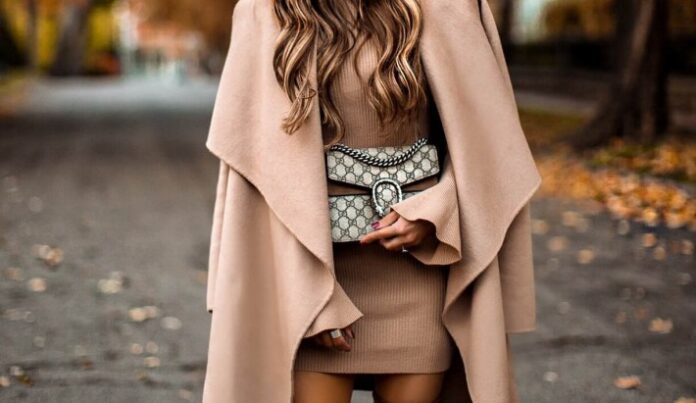
Expensive winter outfits repeat materials subtly across different parts of the outfit. Leather boots echoed by a leather belt. Wool trousers matched with a wool coat. Knits layered within knits.
The brain reads repetition as cohesion. Even when the outfit is simple, that internal rhythm makes it feel deliberate.
What breaks this effect is randomness. Mixing synthetic shine with matte wool without intention creates inconsistency. Expensive outfits feel controlled because materials relate to each other across the entire look.
This is one of the most invisible but powerful formulas for achieving refinement.
8. Minimal Color With Maximum Weight
Rich winter outfits rely on color depth rather than brightness. Burgundy, forest green, navy, deep brown, charcoal, and off-white all carry visual weight. These shades anchor outfits in a way pastel or neon never can.
This formula builds around one heavy color and repeats it softly across two or three pieces. The repetition creates calm authority. One dominant, one secondary, and one neutral is all you need.
Overusing color weakens the effect. Expensive winter outfits feel restricted rather than expressive. That limitation is what creates visual confidence.
9. Footwear as a Structural Anchor
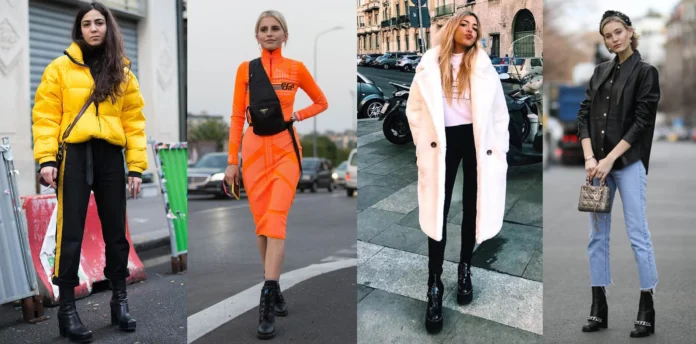
In winter, shoes carry more responsibility than in any other season. Thick fabrics above demand visual grounding below. Light, flimsy footwear breaks the illusion immediately.
Expensive outfit formulas rely on footwear with substance. Leather, stacked soles, structured uppers, and firm shapes all contribute to that grounded look. Even minimal outfits immediately feel stronger when the footwear has visible weight.
This is why boots dominate expensive winter styling. They visually support heavy layers without competing for attention.
10. Controlled Accessories Instead of Statement Pieces
Luxury winter outfits rarely rely on loud accessories. Instead, they use one or two refined accents placed with purpose. A structured bag. A metal watch. A single scarf of high material quality.
The formula works because restraint communicates confidence. When nothing is fighting for attention, the entire outfit feels quieter and more expensive.
Over-accessorizing always shifts the tone toward trend and away from refinement.
Bottom Line
All expensive-looking winter outfits follow the same underlying rules, even when the styles differ. They prioritize structure over softness, depth over brightness, cohesion over contrast, and repetition over chaos. They use texture to build interest instead of relying on color noise. They anchor the silhouette with weight at the top or bottom. They control where attention flows instead of scattering it.
These formulas also work because winter itself supports them. Heavy fabrics, layered construction, and darker tones naturally give you the tools that summer does not. When you understand those tools, you can work with the season instead of against it.
Expensive style is not about the logo on the tag. It is about how cleanly the outfit communicates purpose. When every piece appears to belong exactly where it is, the result always reads as high-end regardless of the price.