Autonomous vehicles were once the stuff of science fiction, but they are now a reality on public roads across the United States. These vehicles use advanced sensors, artificial intelligence, and machine learning to navigate traffic and avoid collisions. Yet despite their sophisticated technology, accidents still happen, and when an autonomous vehicle hits a pedestrian, determining who is responsible becomes much more complicated than in a traditional car crash.
Pedestrian accidents involving self-driving cars raise new legal questions about liability, negligence, and product safety. Who pays for the injuries: the human behind the wheel, the company that made the car, or the software developer? In this article, The Law Offices of Peter T. Nicholl explores what happens after an autonomous vehicle strikes a pedestrian and what victims need to know about their legal rights.
Understanding How Autonomous Vehicles Work
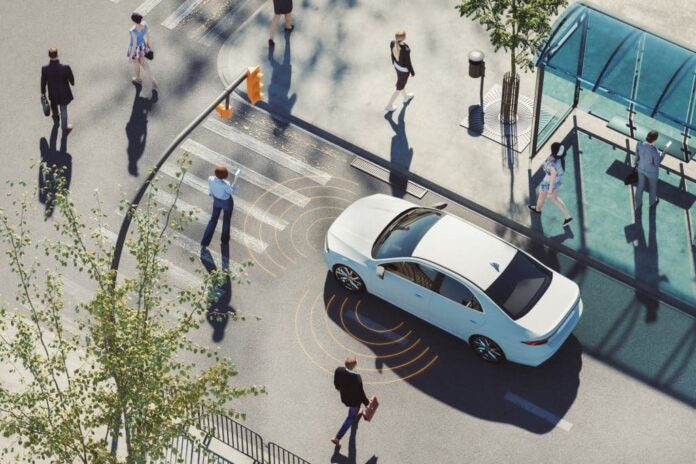
To understand liability, it helps to first know how these vehicles operate. Autonomous or “self-driving” cars use a combination of:
- Cameras and sensors to detect surrounding vehicles, pedestrians, and road conditions
- Radar and LiDAR to create real-time 3D maps of the environment
- Artificial intelligence (AI) to process information and make driving decisions
- Onboard computers to control acceleration, braking, and steering
The National Highway Traffic Safety Administration (NHTSA) defines five levels of vehicle automation, ranging from Level 0 (no automation) to Level 5 (fully autonomous). Most vehicles on the road today fall between Level 2 and Level 4, meaning they still require some degree of human oversight.
When an autonomous vehicle hits a pedestrian, one of the first questions investigators ask is how much control the human driver had at the time of the collision.
Why Self-Driving Cars Still Cause Crashes
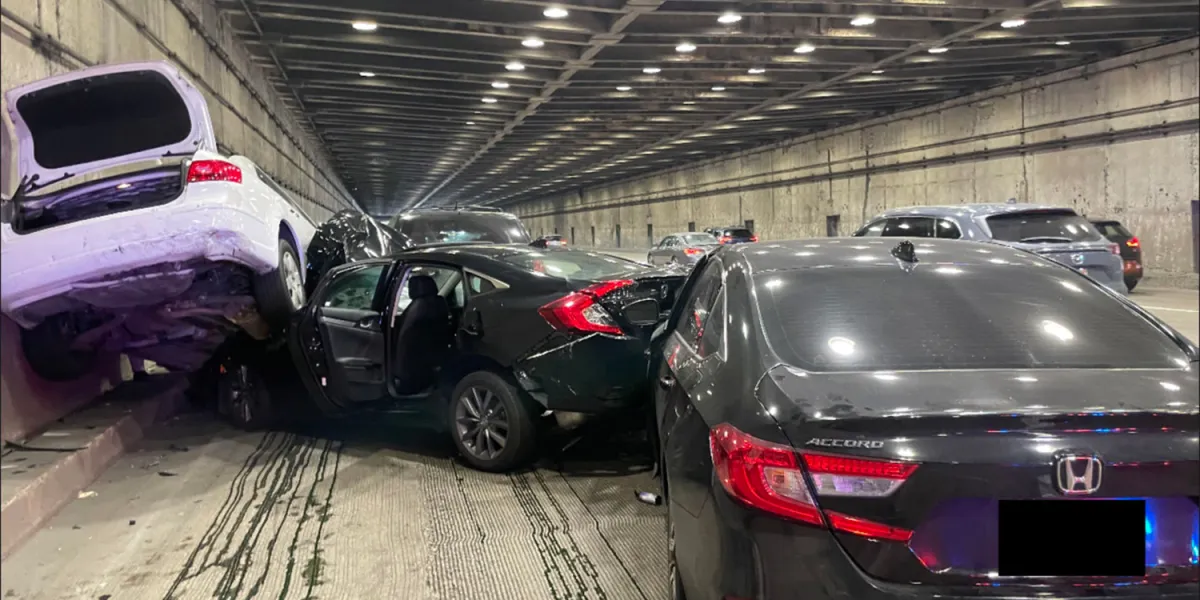
While self-driving technology aims to reduce human error, it is not infallible. Several high-profile incidents have shown that these vehicles can fail under real-world conditions. Common causes of autonomous vehicle pedestrian crashes include:
- Sensor malfunction that fails to detect a person crossing the street
- Software errors causing the car to misjudge speed or distance
- Inadequate testing or poor response to unexpected road situations
- Failure of safety systems such as automatic braking
- Human inattention if the driver relies too heavily on automation
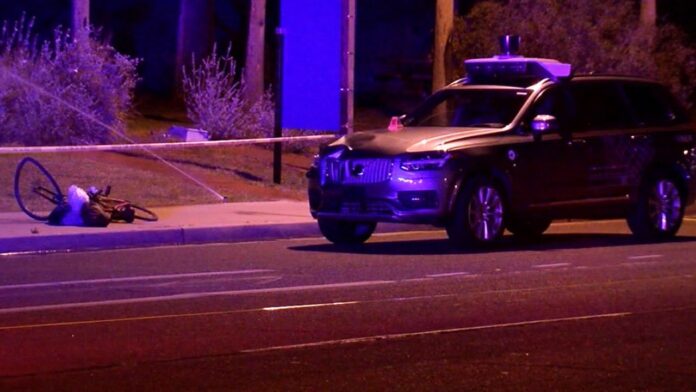
In one widely reported case, an autonomous test vehicle struck and killed a pedestrian because the system misidentified her as an “unknown object.” Incidents like this highlight the complex blend of human and machine error that can lead to tragedy.
Determining Liability in an Autonomous Vehicle Accident
When a pedestrian is hit by a traditional vehicle, the driver is usually held responsible. But in accidents involving self-driving cars, fault can lie with multiple parties.
Here are the key players who might share liability:
- The Human Operator
If the vehicle required driver oversight, and the person behind the wheel failed to intervene or was distracted, they could be held partially responsible. Many states require human operators to stay alert even when the car is in self-driving mode. - The Vehicle Manufacturer
If the accident occurred because of a hardware or software defect, the manufacturer may be liable under product liability law. This includes design flaws, malfunctioning sensors, or inadequate safety programming. - The Software Developer
Some companies license autonomous driving software from third-party developers. If a coding or algorithmic error caused the failure to detect the pedestrian, the software company could share fault. - The Vehicle Owner or Fleet Operator
If the vehicle was part of a rideshare or delivery fleet, the company responsible for maintaining or monitoring the system might bear liability for improper maintenance or failure to update the technology. - The Pedestrian (Partial Fault)
In some cases, pedestrians may share a portion of the blame if they were crossing illegally, outside a crosswalk, or while distracted. However, pedestrians typically have the right of way, so courts often place the heavier burden of responsibility on the vehicle and its operators.
Because multiple parties can be involved, these cases often require detailed investigation and expert testimony to determine exactly how and why the crash occurred.
How Investigations Are Conducted
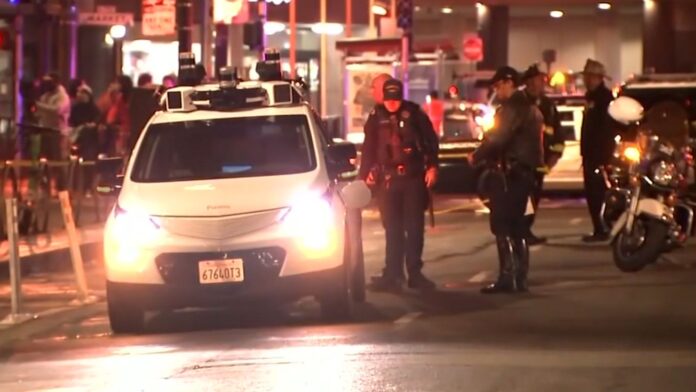
When an autonomous vehicle strikes a pedestrian, the investigation process is typically more complex than in a standard crash. Authorities and attorneys rely on multiple forms of data and evidence:
- Black box data: Most self-driving cars record speed, braking, steering, and sensor readings before and during a crash.
- Camera footage: External and internal cameras help reveal what the vehicle and driver were doing.
- Software logs: These files show what the AI system detected and how it responded.
- Maintenance and update records: Failure to perform software updates can indicate negligence.
- Eyewitness accounts and scene evidence: Skid marks, crosswalk location, and pedestrian behavior still matter.
These investigations often involve cooperation between local police, the NHTSA, and sometimes the National Transportation Safety Board (NTSB) for serious incidents.
How Victims Can Pursue Compensation
Pedestrians hit by self-driving cars have the same right to seek compensation as those hit by traditional vehicles. Depending on the findings of the investigation, victims may file claims against one or more of the following:
- The human driver or vehicle operator
- The manufacturer for a defective product
- The company testing or deploying the vehicle
- The insurance company covering the vehicle or its operator
Compensation may include:
- Medical expenses and ongoing care
- Lost wages and reduced earning capacity
- Pain and suffering
- Emotional distress
- Wrongful death damages for surviving family members
Because autonomous vehicle accidents are still a new area of law, many victims rely on personal injury attorneys with experience in both auto accident and product liability claims.
Challenges Victims Face
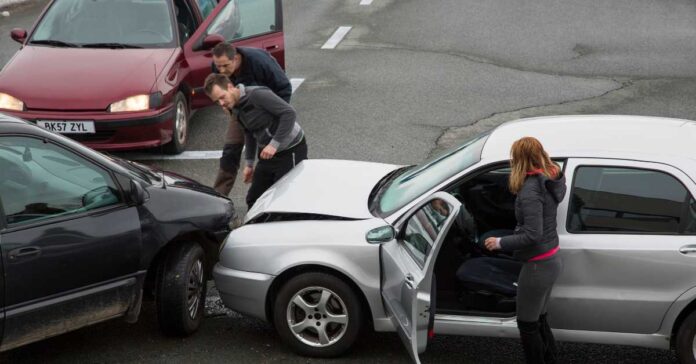
Filing a claim after an autonomous vehicle crash is not always simple. Victims often face several obstacles:
- Complex laws and lack of precedent — Since the technology is new, courts are still shaping the legal framework for these cases.
- Corporate resistance — Large tech and auto companies have powerful legal teams that fight to limit liability.
- Data access issues — Some companies restrict access to vehicle data, making it difficult for victims to prove negligence without a subpoena.
- Blended responsibility — When both human and software play a role, assigning fault becomes more complicated.
Despite these challenges, successful claims are possible when evidence clearly shows negligence or a product defect.
Preventing Future Accidents
Self-driving technology continues to evolve, but preventing pedestrian crashes requires more than software updates. Manufacturers, regulators, and lawmakers must prioritize safety through:
- Mandatory testing and certification standards for autonomous vehicles
- Transparent data sharing after accidents
- Better sensor calibration for detecting pedestrians at night
- Stronger laws requiring human oversight in semi-autonomous modes
- Regular software maintenance and recalls for safety flaws
Public awareness also matters. Pedestrians and drivers alike should understand that “autonomous” does not mean “infallible.” Staying alert remains the best form of protection.
When an autonomous vehicle hits a pedestrian, the aftermath raises new questions about how technology, accountability, and the law intersect. Victims have the right to pursue justice and compensation, but doing so often requires navigating a complex mix of product liability, negligence, and emerging legal standards.
The future of transportation may be automated, but responsibility can never be left entirely to machines. Human oversight, corporate accountability, and strong legal advocacy will remain essential in protecting those who share the road, especially the most vulnerable among us.
If you or a loved one has been injured in an accident involving a self-driving vehicle, seek help from an experienced personal injury attorney. They can investigate the crash, identify all responsible parties, and help you secure the compensation you deserve while holding powerful companies accountable for their technology.