

E-commerce has redefined customer expectations, creating a demand for fast, transparent, and reliable delivery experiences.
Shoppers no longer see delivery as the end of a transaction but as a continuation of brand interaction.
Every notification, update, and email during fulfillment shapes how consumers perceive reliability and professionalism.
Effective delivery communication functions as a strategic lever in maintaining customer trust. It transforms operational details into brand-building moments that influence long-term loyalty.
When customers receive timely updates and proactive communication, confidence grows.
Our mission here is to examine how communication throughout each fulfillment phase, before, during, and after delivery, affects customer satisfaction, trust, and loyalty in the highly competitive e-commerce environment.
The Strategic Role of Communication in E-Commerce

Trust has become the primary currency of modern commerce, shaping every decision consumers make.
Reports by Stord highlight that 81% of customers must trust a brand before making a purchase.
Without that confidence, even premium products lose value in the customer’s eyes.
Communication during delivery becomes a bridge between anticipation and fulfillment. It assures customers at moments of uncertainty, after they’ve made payment but before receiving their order.
Fulfillment and delivery represent the final stage of perception building.
Studies by World Business Outlook show that a smooth and transparent post-purchase experience heavily influences how customers perceive a brand long after purchase.
When customers know where their order is and when it will arrive, they feel respected and informed, not forgotten.
Brands that consistently deliver seamless communication turn logistics into a strategic advantage.
Clear communication transforms fulfillment from a background process into a driver of satisfaction, retention, and advocacy.
Several dimensions demonstrate how communication serves as a trust multiplier in e-commerce:
- Customers value consistent updates that allow them to plan for delivery.
- Honest information about delays or stock issues prevents disappointment.
- Personalized updates convey care and respect, strengthening emotional connection.
Key Communication Touchpoints That Build Trust
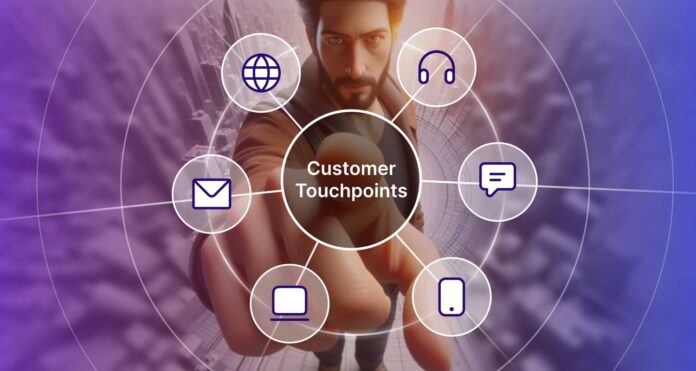
Now, let us take a look at a couple of communication touchpoints that eventually lead to building trust.
Pre-Fulfillment Stage
Communication begins the moment a customer completes checkout.
Order confirmation emails set expectations and establish credibility. Sendcloud emphasizes that prompt confirmations reduce buyer anxiety while confirming transaction accuracy.
Estimated delivery dates (EDD) further reinforce confidence by offering a timeline thataligns with reality.
Stord reports that customers who receive clear EDDs are significantly less likely to express frustration during shipping.
Transparent checkout communication minimizes confusion before payment. To ensure a frictionless pre-purchase experience, brands should focus on:
- Displaying all fees clearly, including taxes and shipping costs.
- Providing detailed shipping options with expected delivery times.
- Offering reliable contact channels for questions before checkout.
When expectations are managed upfront, trust becomes easier to maintain throughout the delivery cycle.
During Fulfillment
As fulfillment begins, communication shifts to real-time interaction.
Customers crave visibility into their order’s progress.
Accurate tracking updates and proactive notifications reduce WISMO (“Where Is My Order”) inquiries and demonstrate operational precision.
Automated systems ensure that customers remain informed at every milestone.
Omnichannel integration plays a central role in reinforcing reliability.
Stord highlights that consistent messaging across all digital touchpoints, website, social media, email, and customer support, creates cohesion.
When communication remains unified, customers perceive the brand as organized and dependable.
Essential practices during this stage include:
- Sending notifications at key fulfillment points (processing, shipping, out for delivery).
- Offering clickable tracking links with real-time location data.
- Synchronizing updates across all customer-facing channels.
Post-Purchase Phase
Customer trust does not end with delivery. In fact, it often begins there. Packaging plays a psychological role in reinforcing care and professionalism.
Sendcloud identifies presentation as a trust signal that reflects a brand’s commitment to quality. A clean, branded, and damage-free package sends a silent message of reliability.
Post-delivery support further defines brand integrity. Rapid responses to issues such as lost packages or delays turn potential dissatisfaction into gratitude. Customers appreciate accountability and transparency more than perfection.
Returns communication is another powerful tool for nurturing trust. A simplified and clearly explained return process signals respect for customer satisfaction.
Timely updates during the return process, including confirmation of receipt and refund status, reduce frustration.
A post-purchase experience powered by WISMOlabs enhances these efforts by centralizing tracking, automating updates, and providing customers with an integrated view of their order’s journey, ultimately boosting confidence and repeat purchases.
Operational and Technological Enablers

Modern delivery communication depends on operational precision and digital connectivity. Unified platforms linking logistics, marketing, and customer support, as discussed by Stord, ensure data consistency and transparency.
Automation acts as an enabler of accuracy and speed. Sendcloud reports that automated notifications cut down manual errors and lower the volume of support requests.
Third-party logistics providers also contribute significantly. Monta Logistics, highlighted by World Business Outlook, offers advanced fulfillment technology that empowers brands to deliver updates without delay.
Integrated dashboards and real-time data tracking make collaboration between retailers and logistics partners smooth and efficient.
To build effective communication systems, businesses should:
- Implement integrated software that unites logistics, CRM, and customer service.
- Utilize automation for proactive alerts and exception handling.
- Choose fulfillment partners equipped with transparent reporting tools.
When technology and operations work in harmony, delivery communication becomes not only efficient but also trustworthy.
The Business Impact of Delivery Communication

Delivery communication drives measurable business outcomes.
A report by Sendcloud found that 93% of customers are more likely to repurchase after a positive post-purchase experience.
Clear, reliable communication strengthens loyalty, increasing lifetime value with each transaction.
Satisfied customers become brand advocates.
According to World Business Outlook, positive delivery experiences encourage word-of-mouth marketing that reduces acquisition costs and boosts credibility.
Consistent communication transforms customers into promoters who share positive experiences online and offline.
Operationally, well-structured communication enhances efficiency.
Integrated logistics data reduces redundant support calls and improves coordination between inventory and marketing teams.
Ultimately, delivery communication contributes directly to revenue growth. Repeat business, reduced churn, and enhanced customer satisfaction combine to elevate profitability and brand equity.
The Bottom Line
Delivery communication forms the foundation of customer trust in e-commerce.
Every interaction, from order confirmation to post-delivery support, builds a narrative of reliability and care.
Brands that master communication turn logistics into loyalty, creating customers who return not just for products but for the experience itself.