
A sustainable home is not created by adding one fashionable material to an otherwise conventional building. It comes from a chain of decisions: whether the building needs to be as large as planned, how long its components will last, how much energy they take to manufacture, whether they can be repaired, and what happens when the building is eventually altered or demolished.
That broader view is changing modern housing. Architects, builders, manufacturers, and homeowners are paying more attention to embodied carbon, life-cycle assessment, recycled content, responsibly sourced timber, low-toxicity finishes, and design for disassembly. The result is not one new “green” house style. It is a more evidence-based way of choosing what a house is made from.
Contents
- Why building materials matter more now
- From operational energy to embodied carbon
- The materials changing residential design
- A practical material decision table
- Sustainability is also a design decision
- What to ask before specifying a product
- Frequently asked questions
Why building materials matter more now
The building sector has traditionally concentrated on energy used after a home is occupied: heating, cooling, lighting, and hot water. That remains essential, but it is only part of the picture. A high-performance home can still begin its life with substantial emissions from cement, steel, insulation, glass, finishes, transportation, and construction waste.
The UN Environment Programme’s 2024/2025 Global Status Report for Buildings and Construction says the sector consumes 32% of global energy and contributes 34% of global carbon dioxide emissions. It also identifies cement and steel as major sources of emissions and construction waste. Those figures explain why material selection has moved from a niche concern into mainstream housing discussions.
There is a second reason for the shift: insulation, heat pumps, efficient windows, and renewable electricity can reduce the operational emissions of a home. As those savings accumulate, the emissions released before the occupants move in become more significant. A material that looks efficient in use may not be the best choice if its manufacture, replacement cycle, or disposal is ignored.
From operational energy to embodied carbon
Embodied carbon means the greenhouse-gas emissions associated with producing, transporting, installing, maintaining, replacing, and disposing of building materials. The U.S. Department of Energy’s reference guide to embodied carbon reduction separates these impacts across product, construction, use, end-of-life, and potential beyond-life stages.
This matters because a product’s environmental story can change depending on the boundary used. A timber component may store biogenic carbon, but the result also depends on forestry practices, processing, adhesives, transport, maintenance, and end-of-life treatment. A recycled product may avoid some extraction, but it still has manufacturing and transport impacts. There are no useful shortcuts here.
My view is that homeowners should be suspicious of absolute claims such as “zero carbon,” “natural is always better,” or “recycled is automatically sustainable.” The better question is narrower and more useful: which product performs the required job for the longest time, with the lowest credible life-cycle impact?
The materials changing residential design
Timber and engineered wood
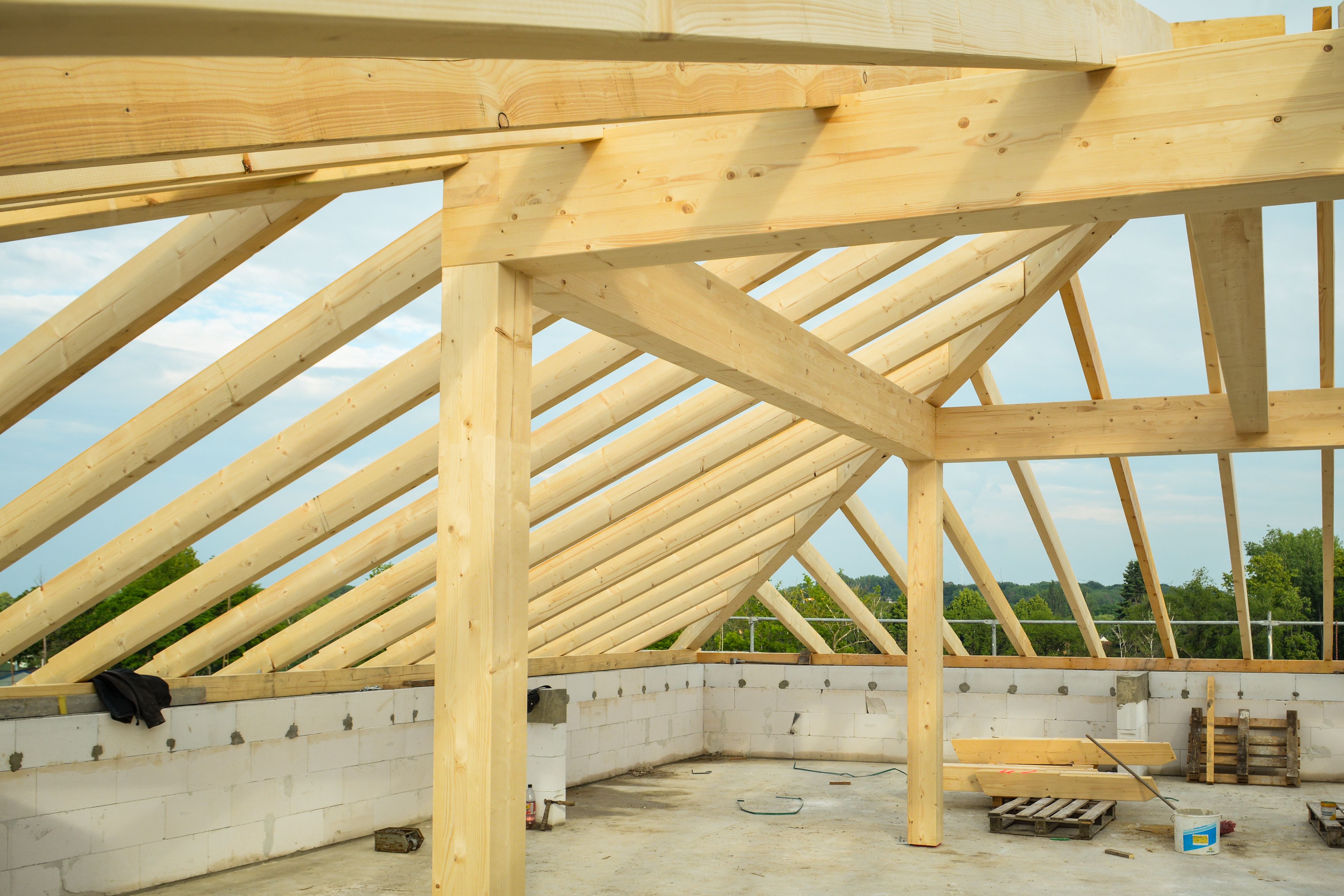
Timber is influencing everything from roof structures to low-rise apartments and mass-timber systems. Engineered products such as cross-laminated timber and laminated veneer lumber can provide predictable structural performance while using wood efficiently. They also make exposed structure part of the interior rather than something hidden behind layers of finishes.
That does not make every timber project sustainable by default. Designers still need to check forest certification, species, moisture protection, fire strategy, adhesive content, transport distance, and future reuse. A lightweight material shipped a very long distance can lose some of its environmental advantage. The strongest projects treat timber as one part of a whole-building assessment, not as a moral label.
Wood is also appearing in smaller, more visible details. Exterior screens, decking, fencing, and balcony components can be selected for repairability and long service life rather than replaced whenever a surface weathers. For example, homeowners comparing outdoor railing systems may look at composite balustrades alongside timber and metal options, considering maintenance, expected lifespan, recycled content, and the accessibility of replacement parts rather than judging by appearance alone.
Bamboo and other rapidly renewable materials
Bamboo has become a recognizable symbol of sustainable interiors because it grows quickly and can be used for flooring, cabinetry, screens, furniture, and decorative panels. Its usefulness is real, but its environmental performance still depends on processing, finishes, adhesives, manufacturing energy, and the distance between production and the building site.
In housing, bamboo is most convincing when it replaces a high-impact product without creating a short replacement cycle. A durable bamboo floor with a repairable finish may be a sensible choice. A heavily bonded product that cannot be repaired or separated at the end of its life may be less impressive than its marketing suggests.

Reclaimed, recycled, and reused materials
Reuse can avoid the extraction and manufacturing of a new product altogether, which is why reclaimed brick, salvaged timber, reused doors, recycled metal, and crushed construction materials are increasingly considered at the design stage.
- Reclaimed materials can preserve the value and embodied impacts of an existing product.
- Recycled-content products can reduce demand for virgin feedstocks, but the percentage and type of recycled content matter.
- Design for reuse makes future recovery easier by using accessible fixings instead of permanent composites where practical.
- Local salvage can be preferable to importing a reclaimed product from a distant market.
Reclaimed materials are not always simple substitutions. They may need testing, cleaning, grading, or adaptation, and reclaimed structural elements can require specialist engineering. The sustainable choice is the one that survives those practical checks rather than the one with the most appealing backstory.
Lower-impact concrete, steel, and insulation
Modern housing will not stop using concrete, steel, glass, or mineral-based insulation. Foundations, reinforcement, moisture control, fire safety, acoustics, and structural spans all impose real requirements. The important change is that these conventional materials are being scrutinized for mix design, recycled content, manufacturing energy, material quantities, and substitution opportunities.
Environmental Product Declarations, or EPDs, help make that scrutiny more concrete. The U.S. Environmental Protection Agency explains in its EPD guidance that these documents disclose environmental impacts using life-cycle assessment and third-party verification. An EPD does not automatically make a product low impact, but it gives a design team better information than an unverified sustainability claim.
Insulation illustrates the trade-off. A material with a higher manufacturing impact may still reduce lifetime emissions if it performs reliably for decades. Conversely, an insulation product that is difficult to install correctly, absorbs moisture, settles, or requires premature replacement may fail its intended purpose. Installation quality is part of material sustainability.
A practical material decision table
The key point in the table is that no material should be judged by its feedstock alone. A complete decision considers the job it performs, its life-cycle evidence, and what happens at the end.
| Material strategy | Where it can influence housing | What must be checked |
|---|---|---|
| Engineered timber | Structure, roofs, floors, interior finishes | Forest source, moisture, fire design, adhesives, transport, and end-of-life pathway |
| Bamboo and other renewable materials | Flooring, cabinetry, screens, furniture, and panels | Processing energy, finish durability, adhesive content, distance traveled, and repairability |
| Reclaimed and reused products | Brick, timber, doors, fixtures, metal, and interior finishes | Condition, testing, safety, cleaning, adaptation, and local availability |
| Lower-carbon conventional products | Concrete, steel, glass, insulation, and structural components | EPD scope, recycled content, quantity used, performance, and replacement interval |
Sustainability is also a design decision
Material efficiency often begins before the shopping list. A compact plan uses fewer foundations, less floor area, and fewer finishes. A simple structural grid can reduce cutting and waste. A well-protected facade can extend the life of timber. Mechanical access can make future repairs possible without opening walls.
Passive design remains one of the quietest material strategies. Orientation, shading, airtightness, window placement, natural ventilation, and thermal mass can reduce the size of heating and cooling systems. That can lower both operational energy and the amount of equipment and material required at the outset.
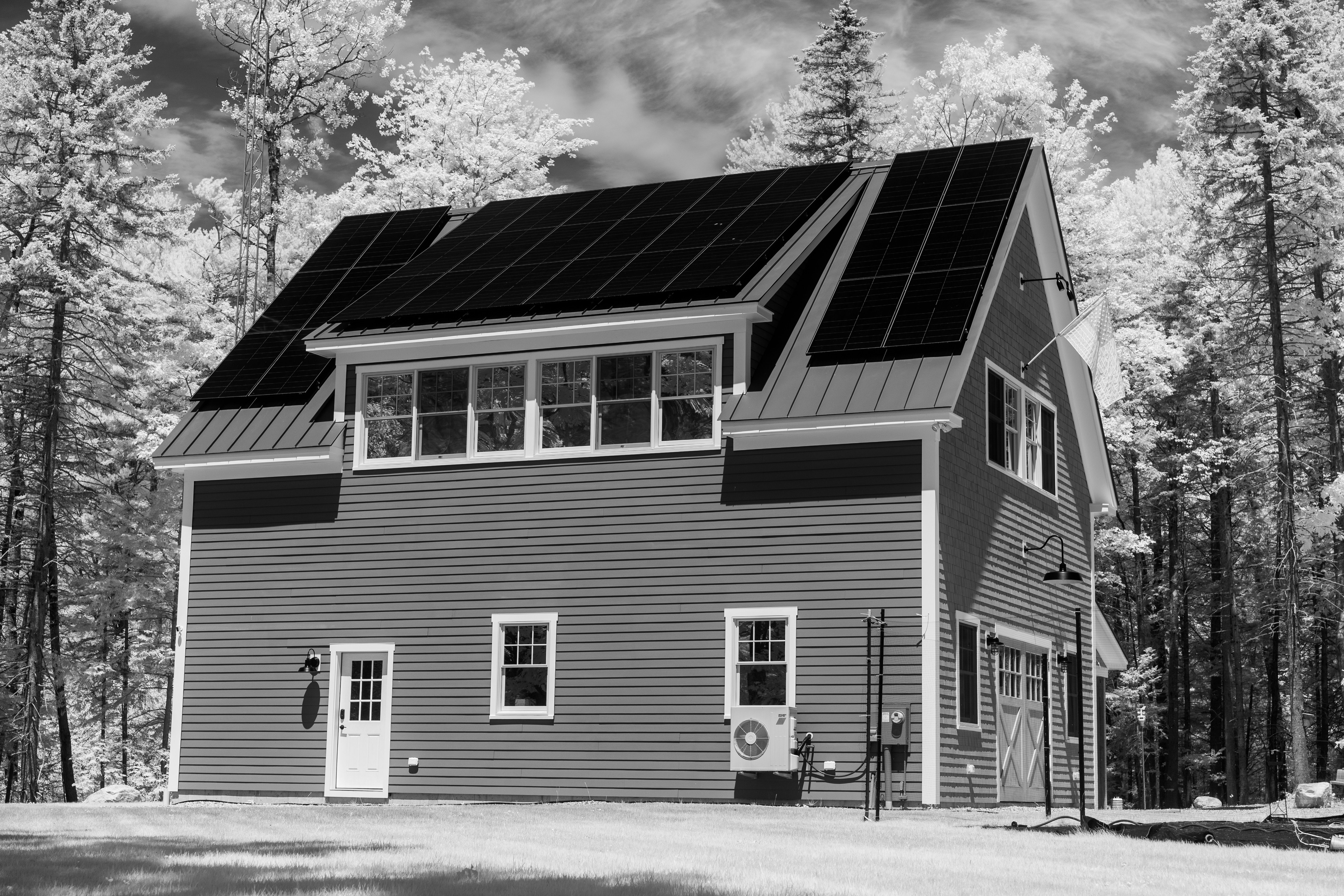
Solar panels are an important part of the modern housing picture, but they should not distract from the envelope. Renewable electricity can power an inefficient home; it cannot fix poor detailing, overheating, water damage, or a short-lived roof. The most resilient sequence is usually: reduce demand, make the envelope durable, choose efficient systems, then add generation where it fits.
There is also a social dimension. Materials need to be available at a reasonable cost, understandable to contractors, and compatible with local skills and building regulations. A technically excellent product that cannot be repaired locally may be less resilient than a slightly less novel option with a reliable supply chain.
What to ask before specifying a product
Homeowners do not need to perform a complete life-cycle assessment for every screw. They do need enough information to separate measurable performance from vague environmental language.
- What function does this product perform, and is the quantity genuinely necessary?
- Is there a third-party verified EPD or comparable life-cycle information?
- How long is the expected service life in this exact location and exposure?
- Can the component be repaired, refinished, separated, or reused?
- Where was it made, and how far will it travel to the site?
- Does the claimed recycled or renewable content include the percentage and material source?
- Will the product introduce moisture, fire, toxicity, or maintenance problems?
The answers should be recorded during design, when changes are inexpensive. Once a product has been ordered or installed, environmental reasoning tends to become a justification exercise.
Frequently Asked Questions
Build less, choose better, keep it longer
The most important influence of sustainable materials on modern housing is not the arrival of a perfect substitute for concrete, steel, plastic, or timber. It is the growing expectation that every material should justify its full life: extraction, manufacture, transport, installation, use, maintenance, and eventual recovery.
That shifts the definition of a modern home. It is not simply a house filled with new eco-products. It is a building that uses fewer resources, stays comfortable with less energy, can be maintained without unnecessary demolition, and remains useful as needs change. In practice, the greenest material is often the one specified carefully, protected well, and not replaced before its time.