
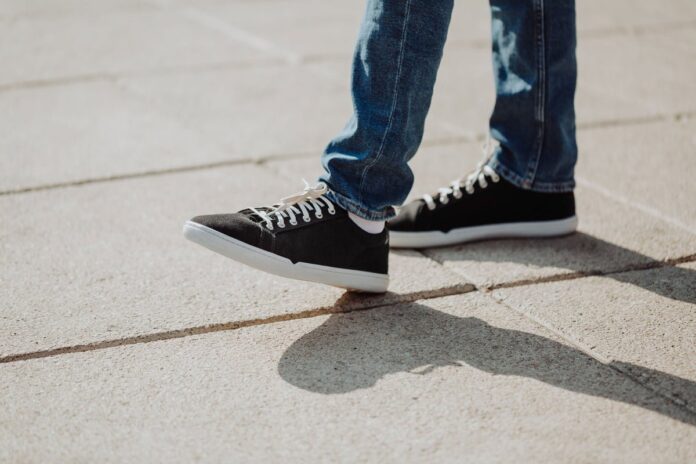
Barefoot shoes encourage natural movement, enabling the foot to react to terrain without being held back by excessive cushioning. This can translate to fewer injuries and better performance for runners.
The flexibility of footwear is essential; barefoot shoes support dynamic motion and help prevent altered gait patterns. This ultimately reduces chronic pain and the risk of injury.
A wide toe box in barefoot shoes allows toes to splay naturally. This promotes better balance and stability, contributing to overall foot health while minimizing problems like bunions and hammertoes.
Wearing barefoot shoes improves balance and coordination by activating smaller foot and ankle muscles. This helps reduce the likelihood of falls while promoting proper posture and alignment.
Barefoot shoes are designed for comfort, providing a lightweight feel that encourages fluid movement throughout the day. In contrast, traditional shoes may lead to fatigue.
Minimalist footwear can adapt to different environments, offering excellent grip and breathability, making them ideal for everything from rugged trails to urban landscapes.
Selecting the right barefoot shoes depends on matching them to specific activities. Experts often recommend a gradual transition to avoid discomfort when starting out.
Discovering the Science Behind Barefoot Shoes
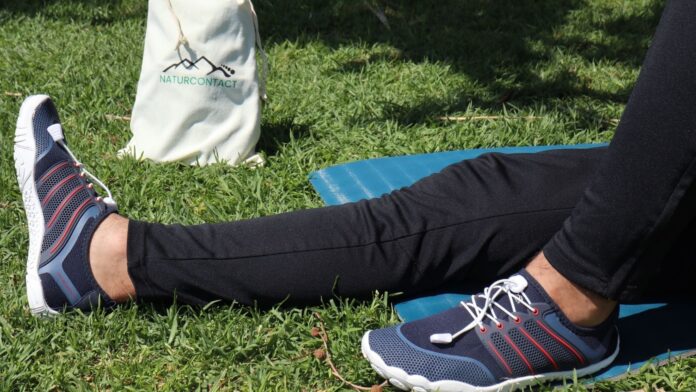
How Minimalist Design Promotes Natural Movement
In today’s world, many people find themselves disconnected from natural movement. Yet, minimalist design in barefoot shoes offers a chance to reconnect. Without excessive cushioning or rigid structures, the foot can naturally respond to its environment.
This resonates with the body’s biomechanics, facilitating effective push-off and efficient strides. Professionals suggest shoes that allow for foot flexing, promoting adaptation to various surfaces and enhancing proprioception.
The findings are striking. Studies show that runners using minimalist footwear report fewer injuries and improved performance metrics. The body becomes better equipped to adapt to its surroundings when not hindered by overly supportive shoes.
Natural foot flexion isn’t just a nice-to-have; it’s a necessity. By promoting a broader range of motion, individuals can strengthen the muscles in their feet and lower legs, leading to improved biomechanics over time.
The Importance of Flexibility in Footwear
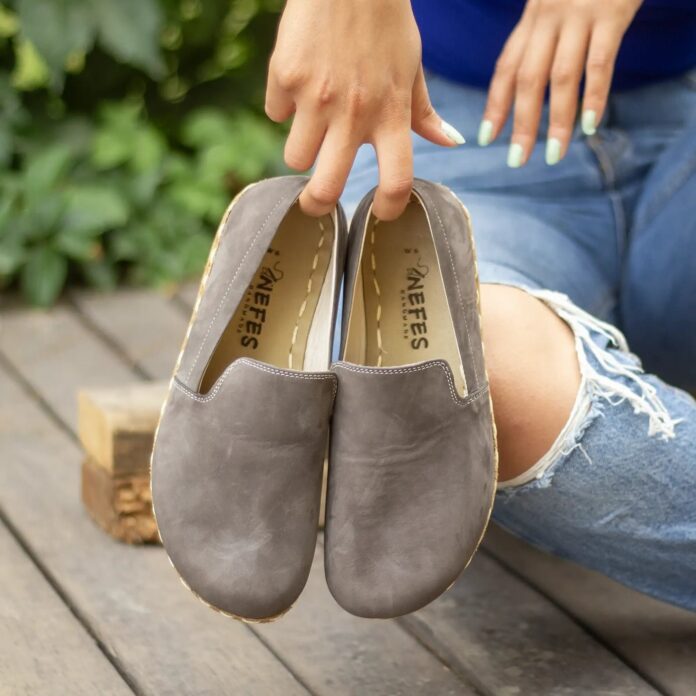
Flexibility might seem trivial in the shoe debate, but it’s quite significant. A shoe that bends and moves with the foot supports dynamic motion. On the other hand, rigid shoes can cause altered gait patterns and chronic pain. Experts highlight that barefoot shoes, crafted from flexible materials, allow for proper foot articulation as runners or walkers encounter various terrains.
So, why does this matter? Inflexible shoes restrict the natural movement of the foot. This restriction not only causes discomfort but also increases the likelihood of injury.
Barefoot shoes help mitigate these risks by accommodating natural foot movements rather than constraining them.
It’s about letting the feet function in harmony with nature – flexibility should be at the forefront. This choice extends beyond fashion; it embodies a lifestyle shift towards enhanced physical well-being.
Understanding the Wide Toe Box Advantage
Many people might underestimate the advantages of a wide toe box. However, ample toe space is crucial, allowing toes to spread naturally and enhancing balance and stability during movement.
Clients frequently notice better foot health as they gain more room for their toes, significantly reducing risks of bunions and hammertoes associated with tight footwear.
Research demonstrates that a spacious toe box improves overall comfort. As individuals walk or run, their toes need freedom to push off the ground efficiently. Shoe design should support this natural motion.
“A wide toe box is not just a preference; it’s a necessity for foot health.”
This design feature also optimizes balance. More space translates to reduced friction and the development of pressure points.
Clients typically report a dramatic improvement in comfort once they switch to barefoot shoes, specifically designed with an accommodating toe box.
Real-World Benefits of Going Barefoot
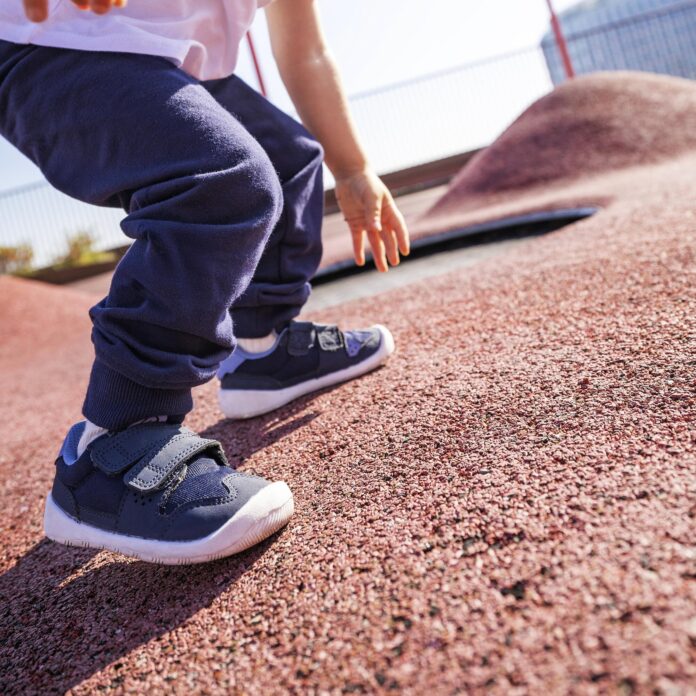
Improved Balance and Stability While Walking
Putting on a pair of barefoot shoes often equates to improved balance. With more natural foot movement, individuals find enhanced stability and coordination in their everyday activities.
The interesting part? Balance encompasses the whole body, not just the feet. Barefoot shoes support this by fostering proper alignment and posture.
- Strengthened foot and ankle muscles.
- Better feedback from the ground.
- Improved core engagement through natural movement.
Clients quickly learn that barefoot shoes activate smaller muscles, thereby enhancing strength and functionality.
This leads to improved balance and a reduced risk of falls, creating a symbiotic relationship with the ground.
Enhanced Comfort for All-Day Wear
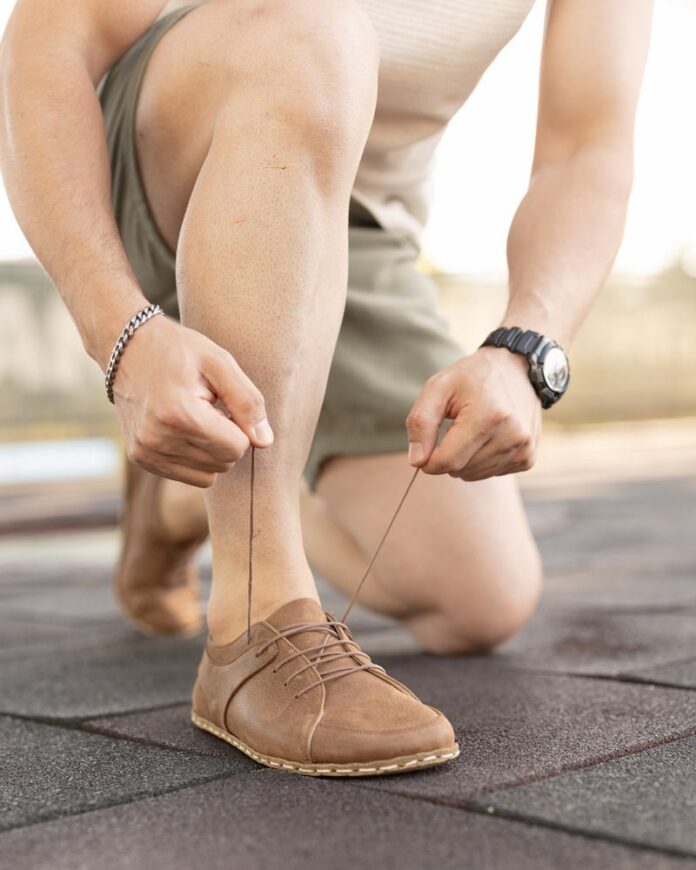
Selecting footwear that’s comfortable all day can be quite the task. Yet, barefoot shoes excel in prioritizing comfort.
Without the jolting extra cushioning, individuals can enjoy a more fluid interaction with their environment.
This sense of freedom in movement brings joy, whether running errands, exercising, or strolling through the neighborhood.
In contrast to traditional footwear, the lightweight build of minimalist shoes alleviates fatigue. Users often express their satisfaction with comfort levels. It’s all about feeling connected yet free.
“Comfort isn’t just about cushioning; it’s about how shoes align with how we move.”
Many professionals recommend barefoot shoes as the top choice for those seeking to remain active throughout the day. When footwear encourages movement, it significantly enhances overall lifestyle well-being.
Adapting to Varied Environments with Ease
One notable benefit of barefoot shoes is their adaptability. Whether navigating rocky trails or walking on pavement, minimalist footwear can adjust seamlessly to diverse conditions.
It’s about readiness for life’s unpredictable nature, allowing clients to switch between environments without missing a beat.
- Superior grip on varied surfaces.
- Minimal weight enhances agility in movement.
- Natural materials ensure breathability.
So, what does this imply? It means being ready for an unplanned hike or a relaxing beach walk without needing to change footwear. The design of barefoot shoes equips users for any adventure life throws their way.
Choosing the Right Barefoot Shoes for Your Lifestyle
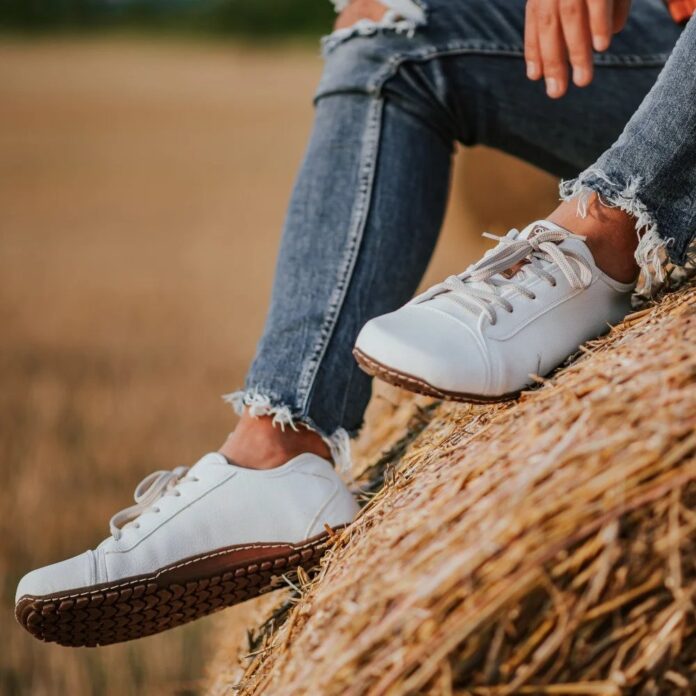
Matching Footwear to Your Daily Activities
Selecting the perfect barefoot shoe may seem daunting at first. However, professionals stress the significance of aligning footwear with specific daily activities.
Different designs meet varied needs, whether for casual outings or intense sports. A shoe designed for running will differ from one made for casual errands in both appearance and functionality.
It’s wise to consider activities such as:
- Running or jogging.
- Hiking rugged trails.
- Casual walking in urban settings.
By evaluating how shoes will be used, buyers can discover a pair that genuinely fulfills their requirements. The right choice enhances performance and comfort, significantly reducing the risk of injury.
Experts’ Recommendations for Beginners
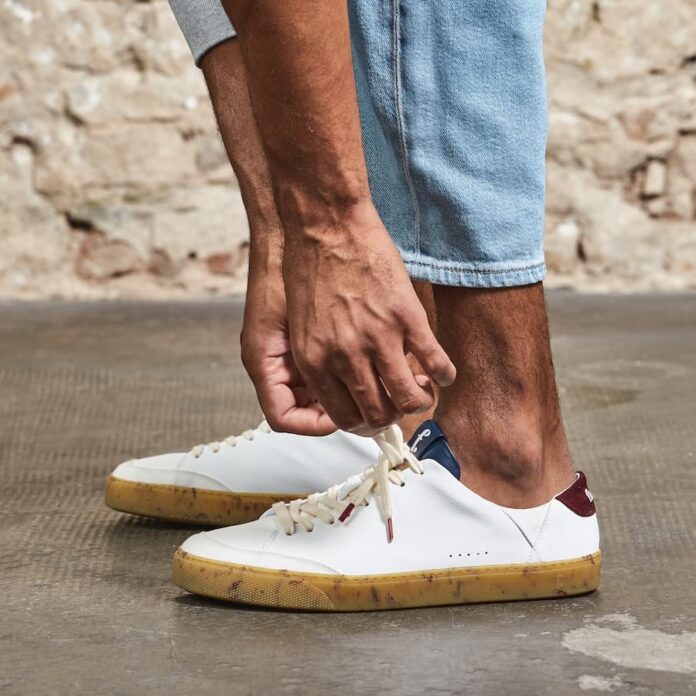
Those new to barefoot shoes may find themselves unsure of how to proceed. Thankfully, experts have handy tips. Initially, it’s often beneficial to ease into this style to allow the body to acclimate. Jumping into full-time wear too quickly can lead to discomfort as muscles strengthen.
- Start with short distances.
- Wear them during low-impact activities.
- Gradually extend wear time.
By following these pointers, newcomers can adapt more comfortably and effectively to this innovative type of footwear. Each movement presents a chance for growth and transition.
Top Trends in Minimalist Footwear Design
The rising popularity of barefoot shoes has ushered in exciting trends. Consumers are no longer satisfied with the ordinary; they seek footwear that blends style and function sustainably.
This growing demand has driven manufacturers to become more inventive, crafting designs that appeal to a wider audience.
- Use of natural and recycled materials.
- Affordable options without sacrificing quality.
- Fashion-forward styles that maintain performance.
This trend aligns with the movement towards eco-conscious living. Shoppers increasingly choose products that reflect their values while remaining chic. Consequently, the minimalist footwear industry is evolving to satisfy these demands rapidly.
Sustainable Footwear: A Commitment to the Planet
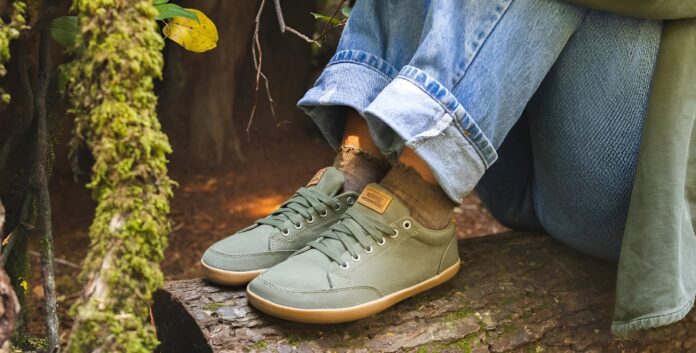
The Eco-Friendly Materials Behind Origo Shoes
In a world waking up to environmental issues, sustainability holds greater significance than ever. Brands like Origo focus on creating barefoot shoes using eco-friendly materials.
These products leverage sustainable practices, ensuring transparency in sourcing while still delivering on performance.
It’s remarkable how specific materials can create a notable impact:
- Recycled plastics minimize waste.
- Natural rubber sourced responsibly.
- Organic cotton reduces chemical usage.
By choosing eco-conscious footwear, consumers boost their comfort while supporting a broader movement towards sustainable fashion.
It’s a mutually beneficial situation that champions both style and environmental responsibility.
How Barefoot Shoes Contribute to Environmental Wellness
Transitioning to barefoot shoes does more than enhance personal health. It also positively affects the environment.
Each minimalist shoe bought represents a conscious decision towards more sustainable living.
As consumers increasingly align purchases with their ethical beliefs, companies respond with greener practices and innovative designs.
“Choosing sustainable footwear is a step towards healing the planet.”
This shift can encourage more protective policies and practices in footwear manufacturing, ultimately benefiting both consumers and the planet in the long run.
Making Informed Choices for Conscious Consumerism
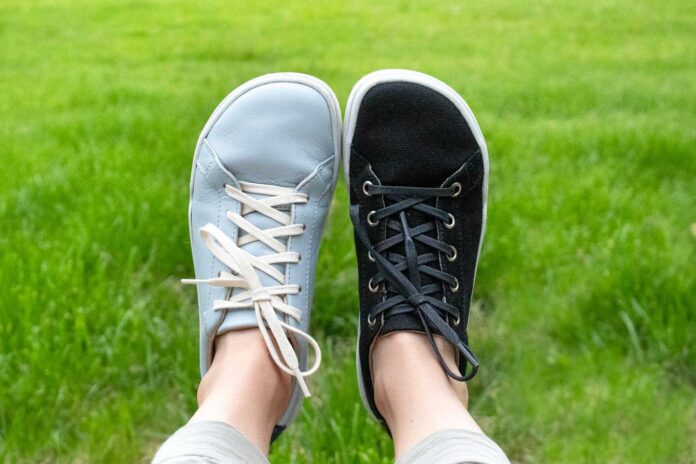
Ultimately, the focus is on choices that reflect personal values. This entails researching the brands standing behind products, examining their production methods, and evaluating product longevity.
Understanding the origin and manufacturing process influences more than just individual choices; it shapes market dynamics as a whole.
- Investigate brand origins and values.
- Look for certifications that support eco-friendliness.
- Opt for shoes designed with longevity and repairability in mind.
Thoughtful selections can redirect the industry towards greater accountability. In this manner, every pair of barefoot shoes purchased represents not only personal comfort but also a step towards a healthier planet.