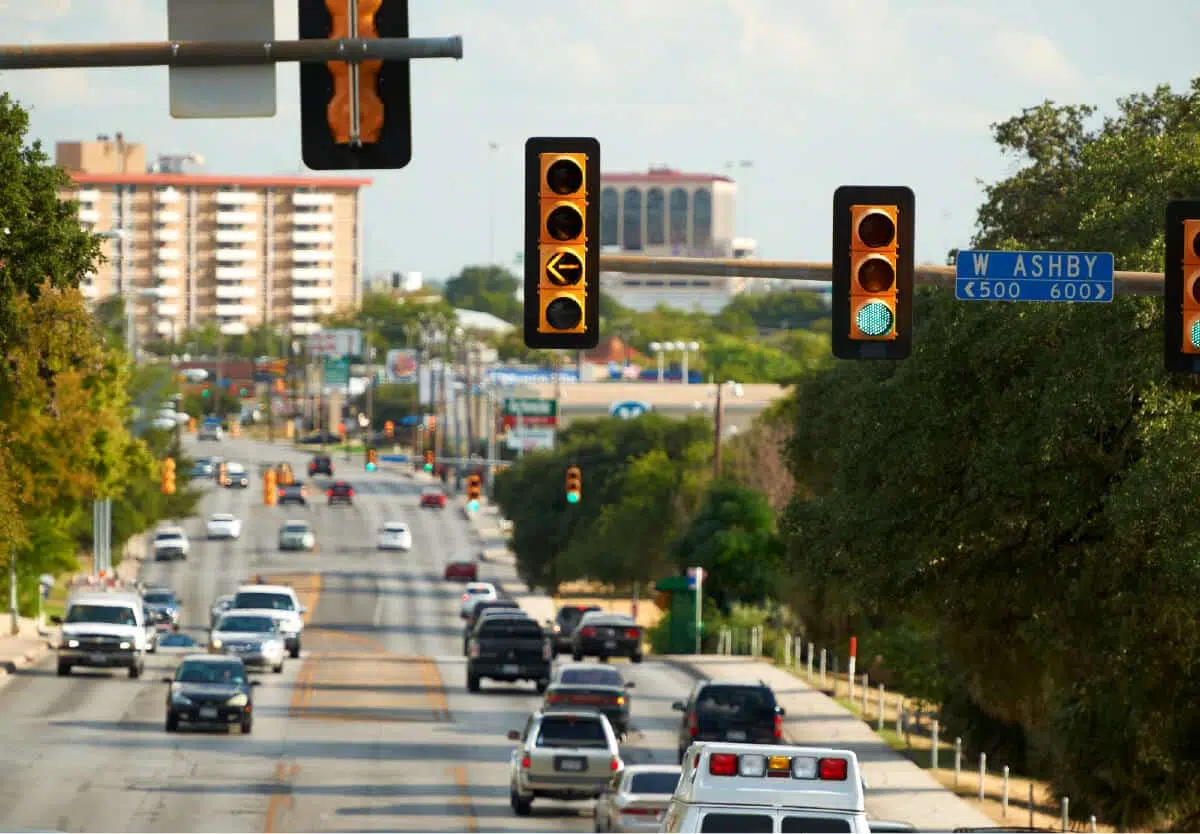
When a car accident happens at an intersection, determining who had the right of way often becomes the most critical part of the case. Both drivers may claim they had a green light. Witnesses may offer conflicting statements. Even police reports can leave room for doubt.
In these situations, traffic signal timing data can be the key that unlocks the truth. Modern intersections are equipped with highly sophisticated systems that record the timing and sequence of light changes, sometimes down to fractions of a second. This information can be used as powerful evidence in accident litigation, helping to establish who had the legal right to proceed and who violated the signal.
Understanding how this data works and how injury attorneys use it can mean the difference between winning and losing a case.
What Is Traffic Signal Timing Data?
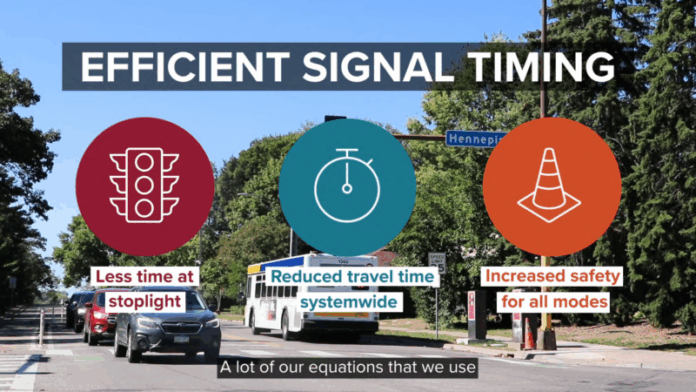
Traffic signal timing data refers to the detailed records of how traffic lights operate at a given intersection. Every light follows a programmed schedule that dictates when each direction can move and for how long.
This timing is controlled by a traffic signal controller, a computerized device that manages:
- The length of each green, yellow, and red phase
- The sequence in which the lights change for each lane or direction
- Sensor or camera data that adjusts timing based on vehicle presence
- Pedestrian crossing signals and timing intervals
- Emergency vehicle preemption, if installed
Traffic engineers program these systems based on traffic patterns, safety standards, and local regulations. The result is a precise log of when each light changed and how long it stayed in that state.
How Attorneys Obtain Traffic Signal Timing Data
Traffic signal timing data is typically maintained by local or state transportation departments, public works agencies, or municipalities. To use it as evidence, attorneys often request this data through:
- Public records requests or subpoenas directed to the city or county.
- Expert consultations with traffic engineers who can interpret timing charts and confirm the system’s accuracy.
- Discovery requests during litigation if the government or another driver disputes fault.
In some cases, data may also be available from video footage or black box recordings that include timestamped visual evidence of the signal’s color at the time of the crash.
Why Traffic Signal Timing Matters in Accident Cases
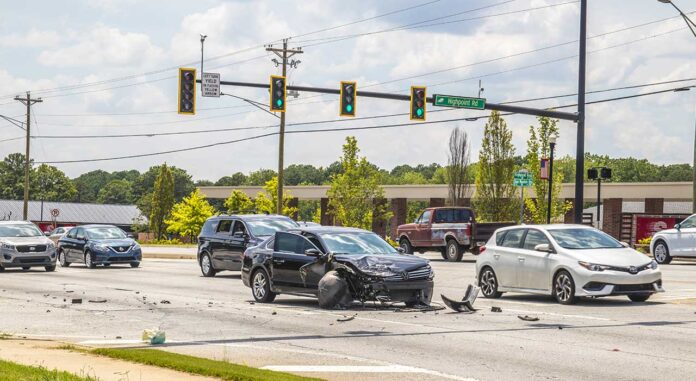
Intersections are among the most dangerous places on the road, accounting for a significant percentage of all crashes. Many of these collisions involve disputes over red lights, yellow lights, and right-of-way violations.
Traffic signal timing data is often used to clarify:
- Which light was green or red at the time of impact
- Whether a driver entered the intersection during a yellow or red phase
- How long each light remained green before the change
- Whether a malfunction or improper programming contributed to the crash
Even a few seconds can make a major difference in determining fault.
How Signal Data Is Used to Reconstruct the Accident
To make sense of timing data, attorneys often work with accident reconstruction experts and traffic engineers who can combine the numbers with physical evidence.
Here’s how they build the timeline:
- Identify the exact time of the crash from police reports, 911 calls, or vehicle event data recorders.
- Match that timestamp to the signal log for the intersection.
- Determine the color and sequence of the traffic light at the moment of impact.
- Compare witness statements with the data to confirm or challenge credibility.
- Reconstruct vehicle movement, including speed and stopping distance, to show whether a driver could have safely stopped before entering the intersection.
This process transforms raw data into a narrative of what really happened, supported by objective evidence.
Real-World Example: The Two-Second Difference
Imagine two drivers collide in an intersection. Driver A insists they had a green light. Driver B claims the same. There are no reliable eyewitnesses.
Through subpoenaed records, an attorney obtains the traffic signal log. It shows that the northbound light turned yellow at 6:14:02 p.m. and red at 6:14:05 p.m. The crash occurred at 6:14:06 p.m.
The data proves that Driver A entered the intersection one second after the light turned red — confirming that they ran the light and caused the crash.
Without that two-second detail, the case might have relied on conflicting stories. The signal data made the difference.
When Traffic Signal Malfunctions Come Into Play
Not every accident at an intersection is caused by driver error. In some cases, signal malfunction or poor programming is to blame.
Attorneys use timing data to identify problems such as:
- Lights that skip or shorten yellow phases
- Conflicting green signals in different directions
- Delayed signal changes are causing driver confusion
- Power or communication failures in the control box
If malfunctioning equipment contributed to the crash, the government entity responsible for maintaining the signal could share liability. These cases often require expert testimony and a detailed review of maintenance logs, repair records, and engineering reports.
How Data Helps in Comparative Negligence States
In states that follow comparative negligence laws, both parties can share fault for a collision. Traffic signal timing data can influence how much blame each driver receives.
For example:
- If a driver entered the intersection two seconds before the light changed but was hit by someone speeding through a red light, both may share partial responsibility.
- Timing data can show whether one driver acted reasonably while the other clearly violated the signal sequence.
Precise timing evidence gives attorneys the leverage to argue for reduced liability or full compensation based on the true sequence of events.
How Quickly Timing Data Must Be Requested
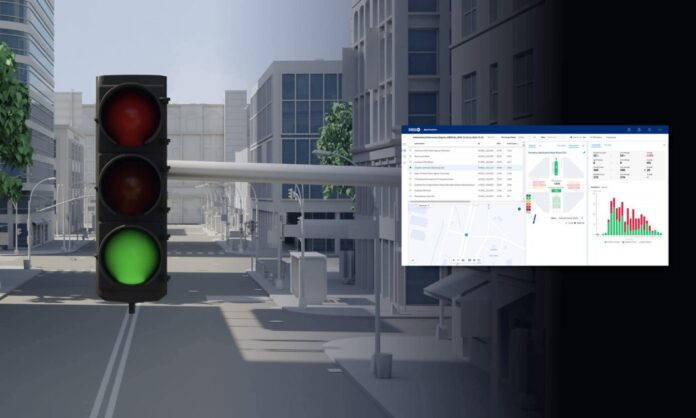
Traffic signal data is not stored indefinitely. Many municipalities overwrite or delete logs every 30, 60, or 90 days. In some cases, the data may only be saved when an accident triggers a police investigation.
For this reason, timely legal action is essential. Accident victims or their attorneys should request this data as soon as possible to preserve key evidence before it disappears.
Prompt investigation can also help recover additional materials, such as:
- Intersection surveillance footage
- 911 call logs and timestamps
- GPS or vehicle event data from the cars involved
Together, these records can establish an accurate, minute-by-minute picture of the crash.
Why Expert Interpretation Is Critical
While the data itself is valuable, it can be difficult for a layperson to understand. The timing logs often contain technical jargon, controller settings, and abbreviations that only traffic engineers can interpret correctly.
Expert witnesses help by:
- Explaining the intersection’s design and logic sequence
- Demonstrating how the signals should have operated
- Confirming whether driver behavior aligned or conflicted with the data
- Creating diagrams or simulations to present the findings in court
Jurors respond strongly to visual evidence. Seeing a clear timeline or animation of how the light changed moments before a crash can be far more persuasive than verbal testimony alone.
How Signal Data Strengthens a Legal Case
For plaintiffs, timing data can:
- Prove the other driver ran a red light or failed to yield
- Refute false claims that the victim caused the crash
- Support expert reconstructions that match physical evidence
- Increase credibility with objective, scientific proof
For defense teams, the same data can demonstrate:
- The driver entered lawfully during a green phase
- Malfunctioning lights contributed to confusion
- External factors, not negligence, led to the collision
Ultimately, signal timing data transforms subjective arguments into measurable facts, and those facts can make or break the outcome of a personal injury claim.
In intersection accident cases, small details often determine who is held responsible. Traffic signal timing data provides those details with precision that eyewitnesses and police reports cannot match. Whether confirming a red-light violation or uncovering a malfunction, this data can make the difference between a successful claim and a denied one.
For accident victims, securing this evidence quickly and working with an attorney experienced in traffic data analysis can be the key to proving fault and obtaining full compensation. In the courtroom, seconds matter, and traffic signal timing data can prove exactly how those seconds unfolded.