
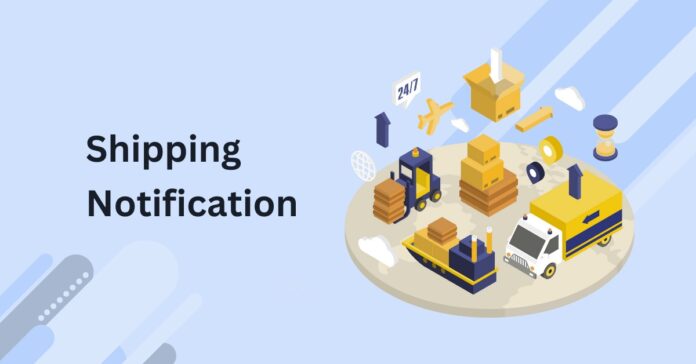
Online retail has shifted from a convenience-driven model to an experience-driven one. Today, customers expect more than fast delivery; they expect constant visibility.
The ability to track an order, anticipate delivery timing, and receive real-time updates is no longer a bonus. It is now a baseline expectation.
Brands that fail to meet it risk being seen as outdated, unreliable, or careless about customer experience.
The Evolution from “Order Confirmed” to “Always Informed”

In the early years of e-commerce, a simple order confirmation email was enough to reassure a customer. Once dispatched, the buyer might receive a tracking number-often linking to a third-party courier site that offered little context.
That limited transparency led to one of the most common support frustrations: “Where is my order?”
By 2025, this approach will have become obsolete. The customer journey now extends far beyond checkout. Order tracking is not passive anymore; it is dynamic, integrated, and predictive.
Modern systems send proactive alerts when an order is packed, dispatched, delayed, or even approaching the delivery address. Each message reduces uncertainty and anxiety, converting silence into assurance.
This transformation is not driven solely by technology but by psychology.
Customers feel valued when informed. Transparency builds emotional trust-a vital currency in a competitive market where switching brands takes only a few clicks.
Customer Expectations Have Changed Permanently
The shift toward proactive communication reflects a deeper behavioral trend. Digital shoppers expect the same real-time visibility they already enjoy in other apps: GPS tracking for rides, delivery progress for food, or read receipts for messages. E-commerce simply followed suit.
A 2024 consumer logistics report showed that:
| Expectation | Percentage of Online Shoppers Who Expect It |
| Real-time order tracking | 89% |
| Proactive delay notifications | 76% |
| Estimated delivery countdowns | 71% |
| SMS or push delivery alerts | 67% |
Once customers experience seamless, transparent fulfillment, they rarely settle for less. For online retailers, that means every “silent period” between checkout and delivery now carries a reputational risk.
Why Proactive Shipping Notifications Drive Loyalty
The most successful retail brands are not necessarily those with the fastest shipping, but those that communicate best. Transparency in fulfillment builds reliability, and reliability drives repeat purchases.
Proactive updates serve three essential business purposes:
- They reduce customer service load. When customers know where their order is, they do not open support tickets. One study found that up to 40% of customer service inquiries in retail are shipping-related. Automation through intelligent alerts directly cuts those costs.
- They increase perceived control. Even if delivery takes time, customers tolerate delays better when they understand the cause. An honest notification about weather disruptions or carrier backlogs preserves brand trust more effectively than silence.
- They create positive anticipation. Each update-“Your order is out for delivery”-reinforces excitement. That emotional buildup enhances brand engagement and contributes to customer satisfaction metrics post-delivery.
In short, proactive communication transforms uncertainty into connection.
The Operational Backbone: Intelligent Systems

Behind each proactive message lies a complex data network. Traditional tracking relied on batch updates from carriers.
Modern platforms like shipping notifications from WismoLabs integrate predictive analytics, real-time data, and automated logic.
These systems pull information from multiple carriers, warehouse management tools, and customer databases to deliver unified, context-aware messages.
Instead of waiting for a scanned event to occur, they can forecast probable delivery windows, flag anomalies early, and alert both the business and the buyer simultaneously.
| Feature | Legacy Systems | Intelligent Notifications |
| Update Frequency | Manual / delayed | Real-time and predictive |
| Communication Channel | Email only | Email, SMS, push, chat |
| Error Detection | After a customer complaint | Preemptive anomaly alerts |
| Branding Control | Courier-controlled | Retailer-branded experience |
This degree of automation bridges the gap between logistics data and customer communication. It ensures that every update reflects not just where a package is, but also what it means for the customer experience.
Middle of the Journey: Why It Matters Most
The most fragile stage in any online purchase is the period between payment and delivery. The customer’s trust is high immediately after checkout, but vulnerable until the item arrives. This is where proactive updates are most impactful.
Concrete benefits emerge here:
- Reduced anxiety: Knowing a parcel’s exact status lowers perceived wait times.
- Improved retention: Customers who receive frequent, clear updates are 40% more likely to order again.
- Fewer refunds: Transparency during delays reduces refund or cancellation requests by up to 25%.
This is where proactive shipping notifications outperform static tracking links. They turn passive tracking into an active engagement tool, strengthening brand reliability when it matters most-midway through the delivery process.
Brand Differentiation Through Post-Purchase Care
In saturated markets, post-purchase communication is one of the few remaining differentiators. The sale no longer ends at checkout; it continues through delivery, unboxing, and feedback. Each of these stages offers an opportunity for reinforcement or disappointment.
Retailers like Amazon, Zara, and Target have built their reputations partly on consistent fulfillment communication.
Their systems alert customers at every micro-event-from label creation to doorstep delivery-and even solicit feedback automatically afterward.
Smaller e-commerce brands that adopt similar systems can achieve comparable satisfaction levels without matching those giants’ scale.
A well-crafted notification strategy includes:
- Branded emails that visually match the store identity
- Mobile-optimized messages for instant visibility
- Personalized delivery estimates per customer region
- Optional re-routing or rescheduling links
- Post-delivery “How did we do?” prompts
This structure transforms logistics communication into a marketing asset.
The Data Advantage: Learning from Every Delivery
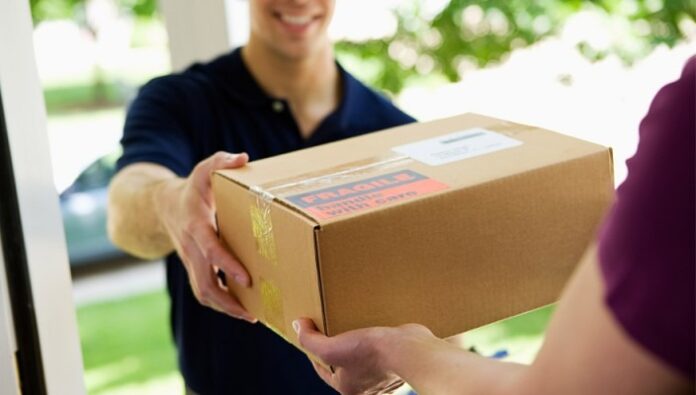
Proactive notifications also create a valuable data feedback loop. Each interaction generates metadata-open rates, engagement times, delivery satisfaction scores-that inform broader business decisions.
Retailers can learn which carriers perform best, how delivery times vary by location, and what communication frequency drives the most positive responses.
That intelligence feeds back into forecasting, warehouse optimization, and marketing segmentation.
For example, customers who frequently open delivery notifications can be segmented for loyalty campaigns emphasizing reliability. Those who rarely engage might prefer SMS instead of email updates.
Thus, what begins as a logistical function evolves into a source of competitive insight.
Reducing “Where Is My Order?” Fatigue in Support Teams
Customer service costs rise sharply when communication is unclear. Each support inquiry adds friction, staff time, and expense.
In 2025, many online retailers cite WISMO-short for “Where Is My Order?”-as one of their most expensive support categories.
Automated, intelligent notification systems drastically cut that burden. When customers already know:
- When an item is shipped Where it currently is
- What to expect next
They have no reason to contact support. That efficiency benefits both the buyer and the seller. In fact, brands implementing intelligent notification platforms report reductions of up to 60% in order-tracking inquiries within the first quarter of use.
The Future of Fulfillment Transparency

As predictive analytics advance, the next stage of retail communication will be anticipatory.
Rather than simply reacting to logistics data, AI models will predict potential delivery risks-traffic patterns, weather changes, or local holidays-and proactively adjust estimated arrival times.
Customers may soon receive notifications like: “Your delivery may arrive one day later due to regional weather delays, but an alternative route is being arranged.”
This predictive transparency will deepen customer trust even further, transforming what was once a reactive process into a collaborative one.
Conclusion:
Modern retail competition is no longer just about who delivers fastest-it is about who communicates best. Customers value accurate, proactive information more than promises of impossible speed.