

Parents today are constantly bombarded with new wellness trends, from protein powders to sleep trackers, all promising to give their kids an edge. Sorting through what is genuinely helpful versus what is simply hype can feel overwhelming, especially when the conversation turns to supplements.
As nutritional science continues to evolve, one of the emerging topics of discussion is the potential use of peptides for teens. While peptides have gained popularity among adults for supporting skin health, muscle recovery, and overall wellness, their relevance for younger populations is more complex.
Parents, educators, and healthcare providers are now asking important questions: Are peptides safe for teenagers? Do they offer real benefits at this stage of life, or are they better reserved for adulthood?
What Are Peptides?
Peptides are short chains of amino acids – the building blocks of proteins – that naturally occur in the body. They play a role in essential biological processes such as cell communication, tissue repair, hormone regulation, and immune function. Because of these functions, peptides are used in both medical treatments and dietary supplements to support health, performance, and recovery.
In adults, peptide supplementation is often linked to:
- Improved joint and muscle recovery, especially after strenuous workouts.
- Enhanced skin elasticity reduces visible signs of aging.
- Support for metabolism and energy levels, which can influence weight management.
- Strengthened immune response, potentially reducing the risk of illness.
For adults, these uses are relatively well-studied. But for teens, who are still in dynamic phases of growth, the picture is much more nuanced.
Unique Considerations for Teenagers
Teenagers are still developing physically, mentally, and hormonally. During adolescence, growth and development are naturally fueled by the body’s own production of hormones, proteins, and peptides. Because of this, experts caution against supplementing with peptides without medical guidance. Introducing external supplements may disrupt this natural rhythm.
Some important considerations include:
- Growth and Hormonal Balance: Teens are in a sensitive developmental phase, and outside supplementation may interfere with natural hormonal regulation.
- Nutritional Priorities: A balanced diet, adequate protein intake, regular exercise, and proper sleep remain the foundations of teen health.
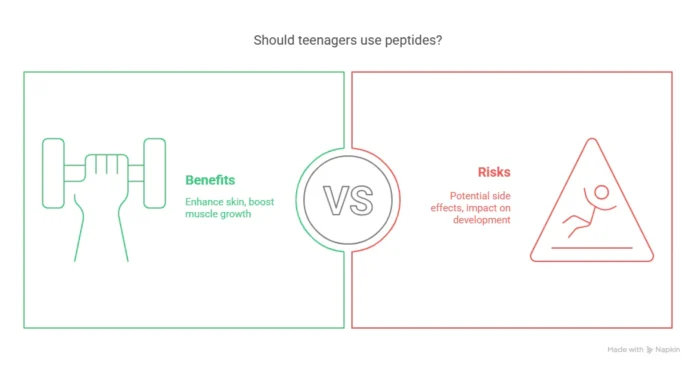
- Potential Risks: While peptides are generally safe for adults, long-term effects in younger populations are not fully studied.
For these reasons, peptides may not be necessary for most healthy teens, though research continues to explore possible medical applications in specific cases.
Potential Benefits Under Supervision
While routine use of peptide supplements is not generally recommended for teenagers, there are scenarios where they may play a supportive role under medical supervision. Parents should think of these as therapeutic uses rather than performance boosters.
For example:
- Sports Injuries: Certain peptides may support recovery from soft tissue injuries.
- Skin Concerns: Some topical peptides are used in dermatology to help with acne scarring or skin repair. These treatments are carefully dosed and monitored.
- Medical Treatments: In specific conditions, peptides can be prescribed as part of a broader treatment plan.
The key is that these uses should always be guided by healthcare professionals, not self-prescribed or based on general supplement trends.
Risks and Misconceptions
With the growing popularity of supplements, teens may encounter online information suggesting that peptides can enhance athletic performance or improve appearance. However, there are risks in following such advice without expert input.
Common misconceptions include:
- “Peptides are the same as protein supplements.”While related, peptides have different functions and are not simple replacements for protein shakes.
- “If adults can use them, teens can too”: Teen physiology is different, and what works safely for adults may not be appropriate for younger bodies.
- “More is better”: Overuse or misuse of supplements can cause imbalances or unintended side effects.
Parents and caregivers should be especially mindful of these myths and encourage teens to prioritize healthy habits first.
The Importance of Lifestyle Foundations
For teenagers, the most effective “peptides” are the ones their bodies naturally produce through proper care. Supporting natural growth and wellness involves:
- Nutrition: Ensuring adequate intake of whole foods, lean proteins, fruits, vegetables, and healthy fats.
- Exercise: Regular physical activity that builds strength, flexibility, and cardiovascular health.
- Rest and Recovery: Prioritizing sleep to allow the body’s natural repair processes to function optimally.
- Hydration: Supporting cellular processes with proper fluid balance.
By focusing on these foundations, teens often achieve the best outcomes without supplementation.
Guidance for Parents and Caregivers
For parents considering peptides for their teenagers, the most important step is consultation with a trusted healthcare provider. A physician or pediatric specialist can determine whether supplementation is necessary or if natural lifestyle strategies are more appropriate.
Additionally, fostering open communication with teens about supplement use can help them make informed, responsible choices rather than following unverified online trends.
Questions Parents Can Ask Doctors
When facing decisions about supplements, many parents feel overwhelmed. Medical jargon, online forums, and marketing claims can all blur the picture. Having a clear set of questions to bring to a doctor’s appointment not only helps parents feel more confident but also ensures the teen’s unique needs are properly evaluated.
Some helpful questions include:
- “Is this supplement necessary for my teen’s current health?”
This grounds the discussion in medical need rather than trends or peer influence. - “Are there safer alternatives through nutrition, exercise, or rest?”
A doctor can suggest food-based or lifestyle solutions before recommending a supplement. - “What risks or side effects should we watch for?”
Parents need to know what warning signs might indicate the supplement is not well-tolerated. - “How will we monitor progress or outcomes?”
Having a plan for check-ins or lab work helps ensure safety isn’t overlooked.
By approaching healthcare providers with these questions, parents move from passive recipients of advice to active partners in their teen’s care. This not only builds trust with the doctor but also models responsible decision-making for teenagers, teaching them that health choices should always be informed and thoughtful.
Emotional Impact of Supplement Pressure

Beyond physical health, it’s worth acknowledging the emotional side. Many teens feel pressure to look stronger, recover faster, or keep up with peers in sports and academics. Supplement marketing often plays on these insecurities. For parents, compassion and understanding are essential.
Instead of dismissing a teen’s curiosity about peptides, it can help to listen first, ask questions, and gently redirect their focus toward sustainable habits. When teens feel heard, they are more likely to accept guidance and less likely to seek risky solutions in secret.
Informed Decisions Lead to Better Health
Peptides are valuable tools in the world of wellness and medicine, but their use for teens remains a subject that requires caution, evidence, and professional oversight. For most young people, a focus on balanced nutrition, exercise, and rest will deliver the greatest benefits. Supplements may play a role later in life, but during the teenage years, careful guidance is essential.
For those interested in understanding more about peptides, supplementation, and overall wellness, trusted resources can provide the clarity needed to make informed decisions. Explore expert insights, premium nutritional products, and educational articles with BioOptimal Supplements, a leader in high-quality superfood supplements designed for health-conscious individuals.