MELBOURNE, VIC:
As the Victorian capital solidifies its reputation as a global design hub, a significant shift is occurring within the residential landscape. Following the nationwide ban on high-silica engineered surfaces, Melbourne’s high-end property market has seen a resurgence in “authentic materiality,” with natural stone reclaiming its throne as the premier choice for both architectural durability and interior prestige.
At the forefront of this movement is RMS Traders, a family-owned institution that has spent over 40 years sourcing the world’s finest minerals. In 2026, the data is clear: Melbourne is moving away from the “clinical white box” era toward the organic, textured warmth of standout materials such as bluestone and marble.
The “Bluestone Renaissance” in Urban Architecture
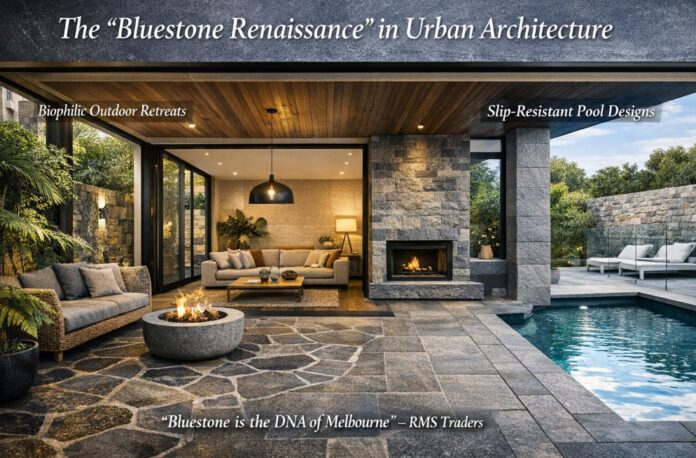
Historically associated with Melbourne’s iconic laneways, bluestone has evolved from a humble paving material into a sophisticated architectural feature. In 2026, the trend of “indoor-outdoor drenching” using the same material to blur the lines between the living room and the alfresco has made bluestone tile more relevant than ever.
“Bluestone is the DNA of Melbourne,” says the design team at RMS Traders. “Its volcanic origins give it a durability that thrives in our unpredictable climate, but it’s the modern finishes, honed, sandblasted, and the increasingly popular ‘Crazy Paving’, that allow it to fit into a contemporary luxury narrative.”
Key News Drivers for Bluestone in 2026:
- The Biophilic Boom: Homeowners are demanding materials that feel “grown, not made,” leading to a 30% increase in natural stone outdoor retreats.
- Safety Meets Style: Advanced slip-resistance in sawn bluestone is making it the non-negotiable standard for Melbourne’s high-end pool builds.
Indoor Outdoor Continuity as a Status Signal
In 2026, seamless transitions between interior and exterior spaces have become a defining marker of residential quality. Rather than relying on visual tricks or contrasting finishes, designers increasingly use the same stone material across thresholds to achieve a sense of spatial flow.
Bluestone plays a central role in this approach. When used consistently from internal living zones through to alfresco areas, it removes the psychological boundary between inside and outside living. This continuity aligns with Melbourne’s lifestyle patterns, where outdoor entertaining is integrated into daily life rather than treated as a seasonal luxury.
Homeowners are also responding to the emotional effect of this design strategy. Spaces that feel continuous tend to read as larger, calmer, and more intentional. Natural stone, with its subtle variation and surface depth, reinforces that perception in a way synthetic materials struggle to replicate.
The Post-Engineered Era: Marble’s Modern Comeback
While the outdoors remains the domain of volcanic stone, the interior is undergoing a “tactile revolution.” With the decline of synthetic alternatives, marble tiles Melbourne have become the gold standard for those seeking a zero-silica, high-performance luxury surface.
The 2026 interior palette has moved toward “Warm Minimalism.” Instead of sterile greys, Melbourne’s most influential designers are opting for marbles with deep, emotive veining and warm, sun-washed undertones.
Trending Marble Movements:
- Stone Drenching: Full-height marble slabs in master ensuites to create a seamless, spa-like sanctuary.
- Sustainable Sourcing: As conscious consumerism peaks, RMS Traders’ commitment to ethical quarrying has positioned them as the go-to supplier for the “Green Luxury” movement.
The Emotional Role of Texture in Luxury Homes
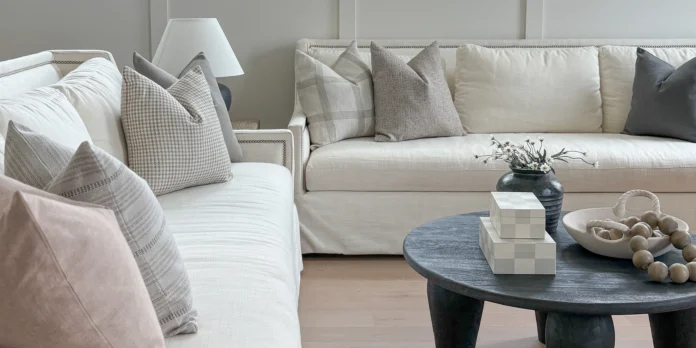
One of the most noticeable changes in 2026 residential design is the emphasis on how spaces feel rather than how they photograph. Texture, weight, and surface temperature have become critical considerations, especially in homes designed for long-term occupancy rather than short-term resale.
Natural stone contributes to this sensory dimension in a way that engineered products rarely achieve. Walking barefoot across a stone floor, touching a honed surface, or seeing light interact with natural veining creates a lived-in richness that evolves over time.
This emotional durability is increasingly important to Melbourne homeowners who see their properties as generational assets rather than trend-led showcases. Stone surfaces age gradually, developing patina rather than wear, which reinforces their association with permanence and stability.
40 Years of RMS Traders: From Quarry to Quayside
In a market saturated with “mimicry” products, RMS Traders stands apart by offering the real thing. Their showrooms in Richmond, Hoppers Crossing, and Geelong serve as design labs where homeowners can touch, feel, and compare slabs that have been millions of years in the making.
“Our mission in 2026 remains the same as it was in 1984: to provide Melbourne with stone that tells a story,” the company states. “A marble tile isn’t just a floor covering; it’s a piece of natural history.”
As labour rates for specialised trades remain high, RMS Traders also leads the way in “installer-friendly” luxury, providing calibrated tiles and expert guidance that ensures a flawless finish every time.
View this post on Instagram
Stone as a Long Term Property Strategy
For Melbourne homeowners evaluating renovation decisions through an investment lens, natural stone continues to outperform trend-driven alternatives. Property data consistently shows that homes featuring authentic materials command stronger buyer interest and higher resale values.
Stone’s appeal lies in its neutrality. Rather than dating a home to a specific design era, bluestone and marble adapt across styles, allowing interiors to evolve without requiring structural material replacement. This flexibility supports long-term value retention.
In an increasingly saturated luxury market, permanence has become a differentiator. Buyers are drawn to homes that feel considered, durable, and materially honest.
Conclusion: An Investment in Permanence
For Melbourne homeowners looking to add significant ROI to their properties, the choice of material is critical. Real estate data suggests that homes featuring organic textures like bluestone and marble continue to fetch a premium, offering a sense of permanence and “quiet luxury” that synthetic trends simply cannot match.
Ready to redefine your space with the textures of 2026? Visit an RMS Traders showroom today or explore our latest arrivals online to secure your piece of Melbourne’s architectural future.