

Words carry weight. A poorly written email, a clumsy report, or an unclear proposal can damage credibility in ways numbers alone cannot repair. Professionals know that writing is not just a formality; it is a reflection of competence, attention to detail, and trustworthiness.
Making sure your writing looks professional is less about perfection and more about discipline, small, consistent habits that make your words easy to read and hard to dismiss.
Below, we’ll look at practical ways you can elevate your writing so it resonates with clarity, structure, and authority.
Understanding Why Professional Writing Matters
Professional writing sets the tone of your relationships and reputation. In financial and corporate settings, concise and well-structured text builds trust with colleagues, clients, and stakeholders. Reports that look polished suggest a careful thinker. Emails without unnecessary fluff save time and show respect.
When businesses invest in clear communication, they reduce misunderstandings, improve compliance, and strengthen internal processes. For individuals, professional writing is a career tool: it helps secure promotions, builds personal branding, and demonstrates thought leadership in industries where details matter. Think of professional writing as a long-term asset that grows in value every time you use it.
Getting the Basics Right

Polish starts with fundamentals. While creativity matters in other forms of writing, business documents thrive on consistency and simplicity. Here are a few starting points that make an immediate difference:
- Clarity first: Every sentence should have a single, clear purpose.
- Consistency matters: Use the same style of headings, date formats, and numbering throughout a document.
- Tone adjustment: Match your tone to the setting, formal for proposals, approachable for internal updates.
- Proofreading discipline: A quick scan rarely catches everything; dedicate time to a slower read.
By mastering these basics, you set a foundation that automatically elevates the professionalism of your writing.
Tools That Support Professional Polish
Even seasoned writers benefit from supportive tools that catch what human eyes may miss. Digital platforms now offer real-time suggestions for grammar, spelling, and style. For example, a reliable grammar checker can act as your safety net, catching inconsistencies that undermine authority.
Pairing such tools with your own critical eye ensures the final draft is sharper. While they should never replace judgment, they save time and prevent small mistakes from slipping into important communications. Think of them as the quiet assistants working in the background so you can focus on delivering substance.
Structuring Your Writing for Business Contexts

In finance and corporate communication, structure is more than organization, it is persuasion by design. A report or proposal that follows a logical flow is easier to digest and harder to contest.
Start with an executive summary that sets expectations. Follow with sections divided into logical categories: context, analysis, recommendations, and next steps. Use headings and subheadings consistently to create visual signposts. Finally, ensure your conclusion ties back to the original objective, leaving no doubt about the action or insight required. Structured writing respects the reader’s time and ensures your ideas stand on firm ground.
Formatting Choices That Signal Professionalism
Readers often judge professionalism by presentation before they read a single word. Formatting, therefore, plays an outsized role.
- White space: Generous spacing improves readability.
- Font and size: Stick with standard, legible fonts such as Arial or Calibri.
- Headings and subheadings: Clear hierarchy keeps information organized.
- Alignment and margins: Neat alignment conveys discipline.
These details may seem minor, but collectively they create a polished appearance. Professional formatting tells the reader you value both their time and the subject matter.
Common Mistakes That Undermine Professionalism
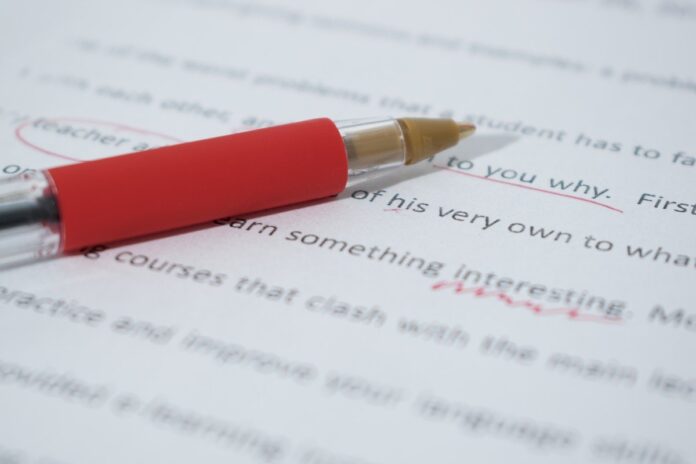
It helps to know the pitfalls that most frequently erode credibility. Many writers overlook the following errors:
- Overuse of jargon that alienates non-specialists.
- Long sentences that obscure rather than clarify.
- Repetition of points without adding depth.
- Typos in names, numbers, or dates.
- Lack of clear conclusions or calls to action.
Avoiding these traps is often a matter of slowing down, reviewing with fresh eyes, and asking whether every sentence serves a purpose.
Comparing Types of Business Writing
Different documents demand different levels of formality. Understanding the contrasts helps ensure your message lands as intended.
| Type of Document | Tone Needed | Key Features |
| Formal Proposal | Highly professional | Structured sections, data support, precise language |
| Internal Email | Semi-formal | Concise, respectful, often conversational |
| Financial Report | Strictly formal | Data accuracy, neutral tone, clear references |
| Client Presentation | Polished yet human | Balance of clarity, visuals, and persuasion |
Adapting your writing style to the document type is one of the clearest signals of professionalism.
Balancing Detail With Brevity
One of the hardest skills in professional writing is knowing when to stop. Too much detail overwhelms, too little detail confuses. The key lies in balance.
Summarize complex data into digestible chunks, but provide references for those who want depth. Keep sentences under control, but don’t strip them of nuance. This balance mirrors good financial communication, where stakeholders want enough to make decisions without being buried in noise. Practicing this discipline shows you respect both content and context.
Numbers and rules matter, but professional writing also benefits from empathy. Consider the reader’s emotional state. Are they rushed, skeptical, or anxious? Choosing words that anticipate those states, calm verbs, reassuring phrasing, and respectful tone, can make a technical document more approachable. Professionalism is not about sounding robotic; it’s about delivering precision with care.
Final Checks Before You Send

A simple checklist can reduce costly errors before your work leaves your desk:
- Read your text aloud to catch awkward phrasing.
- Double-check numbers, dates, and names.
- Ensure your call to action is unmistakable.
- Review formatting on both desktop and mobile.
Taking a few extra minutes for these checks pays dividends in credibility. In high-stakes settings like finance, one overlooked error can overshadow entire pages of accurate analysis.
Professional Writing as a Career Investment
Professional writing is a skill that pays long-term dividends. It signals attention to detail, respect for the reader, and mastery of complex ideas. By focusing on clarity, structure, supportive tools, and empathetic tone, you can ensure your words reflect competence and confidence.
Each document you produce is part of your professional brand. Treat it as an investment, and you’ll find your writing not only informs but also persuades, builds trust, and strengthens your standing in any business environment.