
Neurofeedback is a cutting-edge therapeutic technique that leverages the principles of brain plasticity, allowing individuals to modulate their brain function and optimize mental performance.
At its core, neurofeedback is a non-invasive form of biofeedback that empowers users to learn how to control their brain activity by providing real-time feedback about their brain function.
By observing specific brainwave patterns, individuals can train themselves to enhance desired states, such as relaxation or concentration.
This innovative approach has captivated attention globally, standing at the intersection of psychology, neuroscience, and technology.
Neurofeedback draws from extensive research in neuroplasticity the brain’s ability to reorganize itself by forming new neural connections.
Traditional therapeutic methods often focus on reactive approaches.
However, neurofeedback is proactive, offering individuals the tools they need to effect change from within.
This unique capability of self-regulation stands as one of the defining attributes of neurofeedback.
By providing the right stimuli, neurofeedback enables people to foster healthier brainwave patterns, significantly impacting mood, cognition, and overall mental well-being.
The Science Behind the Signals: EEG and Brainwaves Explained

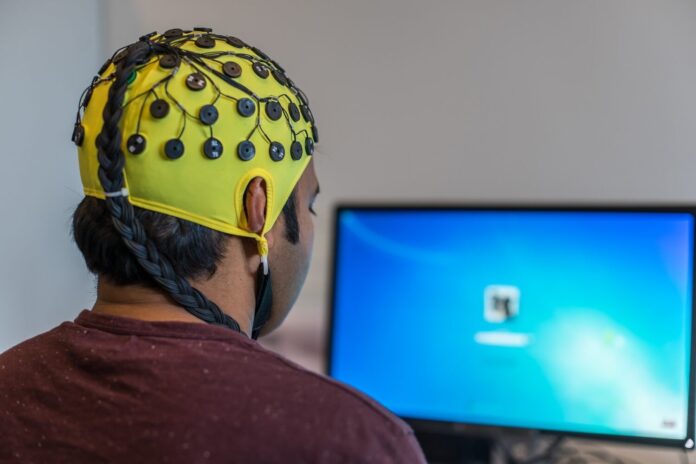
The foundation of neurofeedback lies in its most essential tool: the electroencephalogram (EEG). The EEG is a sophisticated instrument that measures electrical activity in the brain through electrodes placed on the scalp.
When these electrodes are positioned strategically, they can detect the different types of brainwaves, each associated with various mental states.
Broadly classified, these brainwaves include delta, theta, alpha, beta, and gamma waves, reflecting different levels of cognitive functioning from deep sleep (delta) to active problem-solving (gamma).
As individuals engage in neurofeedback training, the EEG records their brain activity and translates these signals into understandable data.
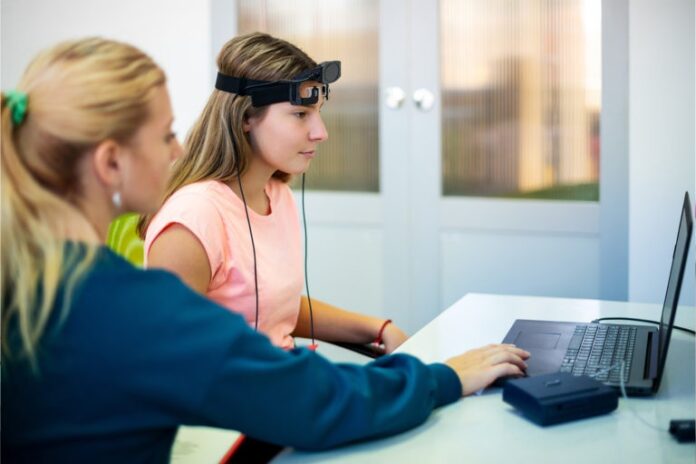
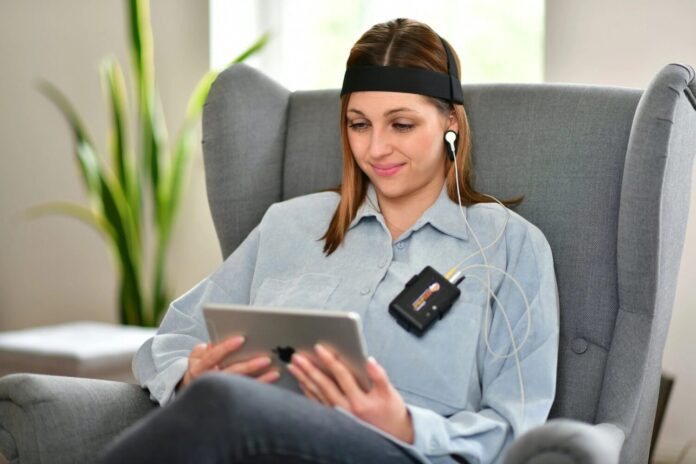
The neurofeedback process typically involves clients wearing a headset that interfaces with a computer equipped with specialized software that translates brainwave activity into visual or auditory signals.
By reviewing these signals through engaging visual displays or sounds, clients can learn how to adjust their brainwave patterns consciously.
This real-time interaction fosters an awareness of one’s mental state, enabling individuals to intuitively make the necessary adjustments to induce a desired mental state, whether it be relaxation or heightened focus.
Decoding Your Mind: How Feedback Helps Optimize Brain Function
At the heart of neurofeedback lies the concept of operant conditioning, where brain activity is subject to reinforcement.
When a specific brainwave pattern associated with optimal performance is detected, the system rewards the individual with positive feedback, like a visual cue on a screen or a pleasant sound.
This reinforcement trains the brain to replicate the desired brainwave pattern over time, leading to long-term changes in mental functioning.
For instance, when someone practices relaxation techniques, neurofeedback can enhance capabilities associated with slower alpha waves, helping the individual reliably access calmness amidst stressful situations.
Alternatively, focusing on increasing beta waves can optimize attention and concentration, especially in tasks requiring focus, such as studying or working in a demanding environment.
This educational process allows the brain to become more efficient, reducing the need for conscious effort and making the desired state more attainable and maintainable.
Ultimately, through repeated sessions, users can witness profound changes in their cognitive processes and emotional resilience as they learn to navigate their own mental landscapes effectively.
The Benefits of Neurofeedback: More Than Just Relaxation
Taming Anxiety: How Neurofeedback Can Help You Find Calm
Anxiety disorders have become increasingly prevalent in modern society, often exacerbated by factors such as environmental stressors, societal pressures, and even traumatic experiences.
Neurofeedback presents a promising avenue for individuals grappling with anxiety by providing the tools to manage and reduce symptoms effectively.
Through targeted neurofeedback training, clients can learn to foster brainwave patterns that promote relaxation while simultaneously diminishing heightened states of alertness indicative of anxiety.
Research has shown that individuals undergoing neurofeedback training exhibit a significant decrease in anxiety symptoms following therapy.
This is attributed to the ability of neurofeedback to increase the stability of brainwave patterns associated with calmness and reduce those associated with hyperarousal.
Consequently, through consistent practice, clients often report a newfound sense of control over their anxiety levels, enabling them to navigate daily life with a greater sense of ease and stability.
Furthermore, as individuals learn to calm their mind and body, they often develop improved emotional resilience, meaning they face future stressors with a stronger coping mechanism.
Neurofeedback’s ability to rewire neural pathways reduces overall anxiety levels, paving the way for a more grounded mental state that maintains calmness even in challenging situations.
Enhancing Cognitive Performance: Unlocking Your Mental Edge
In a world where cognitive performance is critically valued whether in academic pursuits, professional settings, or daily decision-making neurofeedback offers strategies to enhance focus, memory, and overall cognitive efficiency.
With the increasing demands placed upon our minds, learning to optimize brain function is more important than ever before.
Neurofeedback targets specific brainwave patterns linked to cognitive tasks, allowing users to increase their attentiveness and clarity of thought.
Studies indicate that neurofeedback training can lead to measurable improvements in cognitive tasks such as memory recall, creativity, and problem-solving.
For students and professionals alike, this improvement translates into improved grades, better job performance, and heightened creativity.
Often, adverse effects of chronic stress and fatigue can stifle cognitive abilities.
Neurofeedback’s capacity to enhance relaxation and reduce stress can also play a vital role in promoting optimal cognitive functions, uncluttering the mind and facilitating clearer thinking.
The process of enhancing cognitive performance with neurofeedback also fosters a deep sense of confidence. Individuals who train their brain to function efficiently experience enhanced self-efficacy the belief in one’s ability to succeed.
As users witness tangible changes in their cognitive workload and overall mental clarity, they become motivated to pursue further growth, creating a positive feedback loop of learning and improvement.
Neurofeedback for Peak Athletic Performance: Elevating Your Game

For athletes, whether seasoned competitors or passionate amateurs, unlocking peak performance is often the ultimate goal.
Neurofeedback has emerged as a groundbreaking tool for these individuals, enabling them to gain a competitive edge through enhanced mental focus, reduced performance anxiety, and improved stress management.
Many athletes experience a paradox during competition; excitement and nervousness can overlap, leading to distractions that can undermine performance.
Neurofeedback helps athletes learn to harness and channel this energy into optimal focus, enhancing their competitive abilities.
Through neurofeedback training, athletes can reinforce favorable brainwave patterns related to peak performance.
Research within sports psychology has shown that athletes, ranging from professionals to amateurs, reported improved performance metrics when engaging with neurofeedback regimens.
These improvements are also linked to a heightened sense of calm and control, transforming pre-competition nerves into a heightened state of awareness conducive to peak performance.
Additionally, neurofeedback’s ability to facilitate quicker cognitive responses critical during high-stakes scenarios stands to revolutionize athletic training.
Athlete training programs that incorporate neurofeedback span all disciplines, including endurance sports, team athletics, and individual sports.
The ability to improve focus during competition, manage stress, and recover from setbacks effectively could become a game-changer in the athletic realm.
Who Can Benefit from Neurofeedback Services?
From Kids to Adults: The Versatility of Neurofeedback Applications
One of the remarkable aspects of neurofeedback is its applicability across diverse age groups and demographics. Whether addressing cognitive, emotional, or behavioral challenges, neurofeedback services can be exceptionally versatile and beneficial for individuals of all ages.
Children struggling with attention and behavioral issues, adults managing stress and anxiety, and even seniors navigating cognitive decline can all find value in this innovative approach.
In children, neurofeedback often provides a supportive avenue for managing conditions such as Attention Deficit Hyperactivity Disorder (ADHD) or learning disabilities.
As children engage with neurofeedback, they are taught skills to enhance focus and self-regulation, leading to improved behavior in school and home settings.
This non-invasive approach is particularly appealing for parents seeking alternative solutions to conventional medication-based treatments.
For adults, the overwhelming pace of modern life presents unique challenges related to mental health.
Neurofeedback empowers clients to confront these challenges proactively.
Whether dealing with anxiety, depression, or grief, research continues to support neurofeedback’s capacity to promote emotional well-being across diverse populations.
Additionally, as underserved communities increasingly seek accessible mental health solutions, neurofeedback emerges as a crucial tool that can fill these gaps effectively.
Moreover, seniors looking to maintain cognitive health or combat age-related decline can take advantage of neurofeedback training.
By fostering mental agility and enhancing memory recall, neurofeedback serves as a practical supplement to improving quality of life for aging populations.
Managing ADHD: A Natural Approach to Focus and Attention
Attention Deficit Hyperactivity Disorder (ADHD) is a neurodevelopmental condition that affects millions of children and adults worldwide, characterized by symptoms such as inattentiveness, hyperactivity, and impulsivity.
For individuals who experience these symptoms, neurofeedback has become renowned as an effective, natural treatment alternative to traditional medication.
As clients engage in neurofeedback training often set in a supportive environment characterized by encouragement and understanding they learn strategies to enhance their concentration, regulate impulses, and cultivate self-control.
Clinical studies have demonstrated that neurofeedback reduces ADHD symptoms by promoting brainwave patterns associated with attention and focus.
By training brain functions at specific frequencies, neurofeedback enables individuals to experience improved attention spans in daily life, leading to better academic performance and healthier interpersonal relationships.
Many individuals report substantial decreases in hyperactive behavior and impulsivity as they engage in sustained neurofeedback training over time.
The natural approach offered by neurofeedback addresses both the symptoms of ADHD while mitigating potential side effects associated with pharmaceuticals.
This holistic method provides a safe, non-invasive option for clients seeking sustainable solutions to managing their condition, promoting independence and fostering long-term mental health strategies.
Neurofeedback for Mental Health: Tackling Depression and PTSD
Mental health disorders like depression and Post-Traumatic Stress Disorder (PTSD) represent significant challenges for millions, deeply affecting quality of life.
Neurofeedback offers tremendous potential as a complementary treatment for these conditions, providing clients with practical tools for self-regulation and emotional stability.
Research highlights neurofeedback’s effectiveness in restoring balance and optimal functioning within the brain, minimizing symptoms associated with depression and trauma response.
When addressing depression, neurofeedback training focuses on enhancing wave patterns associated with positive emotional states while damping negative states often characterized by high-frequency beta waves.
The training encourages the brain to cultivate more favorable patterns, leading to improved mood, motivation, and overall life satisfaction.
Clients often find a supportive community environment during sessions to be instrumental in their recovery, further enhancing the therapeutic experience.
For those dealing with PTSD, neurofeedback represents hope for managing intrusive symptoms.
Traumatic experiences can disrupt normal brain functioning, leading to heightened stress responses.
Neurofeedback allows individuals to recalibrate their brainwave patterns, leading to decreased hyperarousal and improved emotional regulation.
The effectiveness of neurofeedback in alleviating trauma-related symptoms has been observed in numerous case studies, providing promising alternatives to individuals seeking recovery from their trauma.
Your First Neurofeedback Session: What to Expect

The Initial Consultation: Assessing Your Needs and Goals
Embarking on a neurofeedback journey begins with the initial consultation, an invaluable opportunity to assess specific needs and establish personalized goals.
During this first meeting, practitioners typically conduct a comprehensive health and wellness evaluation, including discussing medical history, current symptoms, and lifestyle factors affecting mental health.
Establishing this baseline allows practitioners to tailor protocols according to individual needs.
Clients can expect to engage in an open dialogue, where their concerns and objectives take center stage.
Practitioners may also introduce the technology and explain neurofeedback’s underlying mechanisms in detail, ensuring clients have a well-rounded understanding of what to anticipate in subsequent sessions.
This personalized approach fosters an environment of trust and collaboration, laying the groundwork for effective treatment.
Often, practitioners will recommend a series of sessions based on individual progress throughout the process.
Furthermore, a clear indication of progress tracking methods will be discussed to quantify improvements over time.
This initial conversation is a vital step in setting an empowering trajectory toward healing and personal growth.
During the Session: A Window into Your Brain’s Activity
Once the client moves beyond the initial consultation, the focus shifts to the actual neurofeedback sessions themselves.
Typically, clients will arrive at a quiet, comfortable room equipped with specialized neurofeedback technology.
After ensuring electrodes are positioned appropriately to measure brain activity, the individual will settle into a comfortable chair, often positioned to view a screen where the real-time feedback will be displayed.
As the session unfolds, participants will listen to calming music or engaging audio cues that reflect changes in their brainwave patterns. This feedback provides a window into their state of mind, encouraging them to learn which mental activities promote desired outcomes.
Initially, training may feel unfamiliar and require focus, but clients gradually develop the ability to navigate their brain activity effortlessly.
Practitioners will continuously monitor and support clients throughout their sessions, providing guidance as needed while encouraging individual agency in the learning process.
These sessions generally last between 30 to 60 minutes and may be expanded upon depending on individual client needs.
Post-Session Insights: Measuring Progress and Setting Future Goals
Following each neurofeedback session, clients should expect a reflective debrief with their practitioner.
Practitioners will analyze session data, providing insights into the client’s progress and discussing any patterns or trends observed.
This reflective space allows clients to articulate their experiences and insights gained during the session, fostering an ongoing sense of connection to their progress.
Additionally, practitioners may recommend adjustments to training protocols based on clients’ feedback and observed progression.
This conversation cultivates a collaborative relationship that empowers clients and instills confidence in their personal development journey.
Post-session reflections may involve setting new goals tailored to strengths and ongoing challenges, ensuring that each session builds upon previous learning.
Through this process, neurofeedback conjures a rich and continually evolving understanding of oneself, allowing for long-lasting change, emotional resilience, and better mental health making neurofeedback a truly impactful and transformative experience.
In conclusion, neurofeedback presents a groundbreaking opportunity to unlock the vast potential of the human mind.
By understanding its principles, benefits, and applications, individuals can embark on a transformative journey toward enhanced mental performance and emotional well-being.
Through engaging discussions and personalized strategies, neurofeedback empowers users to become the architects of their mental health, fostering profound self-awareness and sustainable change.