Ultraviolet (UV) curing, a transformative technology that involves the application of UV light to initiate photochemical reactions, is increasingly becoming popular across various industries. At its core, UV curing is a process that uses ultraviolet light to rapidly cure or dry materials, such as inks, coatings, and adhesives. The science behind this fascinating process lies in how the energy from UV light interacts with certain chemical compounds known as photoinitiators.
These photoinitiators absorb the UV light and break down into reactive free radicals, which subsequently initiate polymerization, a chemical reaction where monomers link together to form a solid structure.
From UV Light to Hardening: Understanding the Process
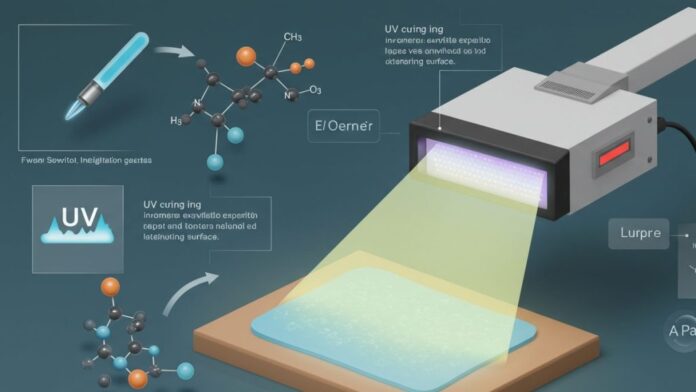
The process of UV curing can be broken down into several key stages, each crucial for achieving an optimal end product. Initially, when UV light is directed toward the coated substrate, it penetrates through the film layer and activates the photoinitiators.
As the photoinitiators generate free radicals, a chain reaction ensues, allowing the monomer molecules to bond and form polymer chains. This light-induced polymerization can happen in seconds, making it incredibly efficient compared to traditional solvent-based curing methods which can take hours or even days.
Ultimately, the final product exhibits superior hardness, scratch resistance, and chemical resilience, making it ideal for diverse applications from automotive finishes to electronic components.
Key Technologies Enabling UV Curing
Several technological advancements have bolstered the efficacy and applicability of UV curing processes. Continuously evolving UV lamp technologies, such as mercury vapor lamps, LED lamps, and UV LED technology, each present distinct advantages in various manufacturing scenarios.
Mercury vapor lamps have been the standard for years, providing high-intensity output and a broad spectrum of UV light that effectively cures a range of materials. However, with the rising demand for energy-efficient solutions, LED UV curing technology has rapidly emerged as a game-changer due to its energy savings, longer lifespan, and lower heat generation.
Advances in material formulations, such as the development of low-energy curing resins and coatings, play an integral role in enabling UV curing processes to accommodate a wide variety of substrates, including plastics, metals, and glass.
Revolutionizing Industries: Where UV Curing Shines
UV Curing in the Automotive Sector: Enhancements and Innovations
The automotive industry is a prime beneficiary of UV curing technology, with applications ranging from paint and coatings to adhesive bonding. In automotive paint processes, UV curing significantly minimizes the drying time, enabling faster production rates while maintaining a high-quality finish that is both durable and resistant to scratches and chemicals.
Manufacturers have shifted to UV-cured coatings that provide exceptional adhesion and flexibility, essential for withstanding the rigors of automotive use. Additionally, UV curing is often utilized in bonding applications for electronic components in vehicles, offering reliable adhesion and eliminating the need for excessive solvents that can compromise material integrity.
Transforming the Packaging Industry with UV Technology
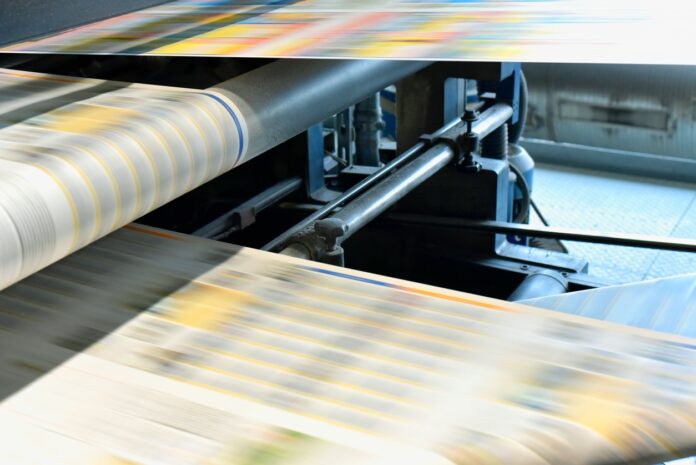
The packaging industry, traditionally characterized by long curing times and reliance on solvents, is undergoing a paradigm shift thanks to the adoption of UV curing technologies. Specifically, UV-curable inks and coatings are redefining printing processes across various substrates, including paper, plastic, and metal.
The speed of UV curing allows for rapid production cycles, enabling manufacturers to meet the increasing demand for high-quality packaging while minimizing waste and costs. UV-cured coatings provide superior gloss, enhanced durability, and vibrant color reproduction, which are essential attributes for attracting consumer attention in a competitive market.
Furthermore, the adoption of UV curing in labels and flexible packaging is on the rise, with increasingly sophisticated formulations that allow for high-speed applications.
Electronics and UV Curing: A Match Made for Precision
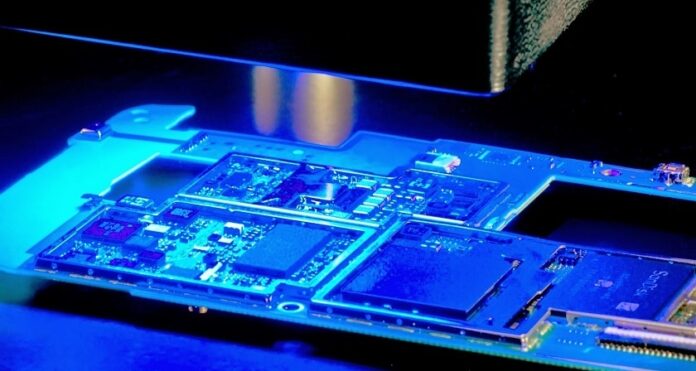
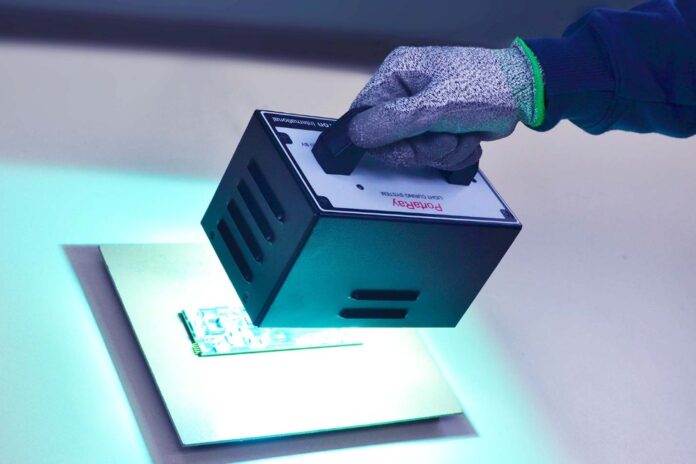
In the electronics industry, UV curing plays a vital role in enhancing the precision and performance of electronic components. The rapid curing capabilities are instrumental in processes such as circuit board manufacturing, where UV-curable materials ensure a strong, reliable bond between components while also protecting them from environmental stressors.
The precision offered by UV curing is paramount, as even the slightest misalignment can lead to failures in electrical connections. Moreover, UV-curable adhesives, coatings, and encapsulants offer significant advantages in terms of speed and performance, yielding products that not only cure quickly but also maintain superior chemical and thermal resistance.
This is particularly crucial as electronics become more compact and complex, demanding materials that can adhere robustly while withstanding elevated temperatures and other stress factors.
Benefits of UV Curing: Efficiency and Sustainability Combined
Speeding Up Production: Time and Cost Savings
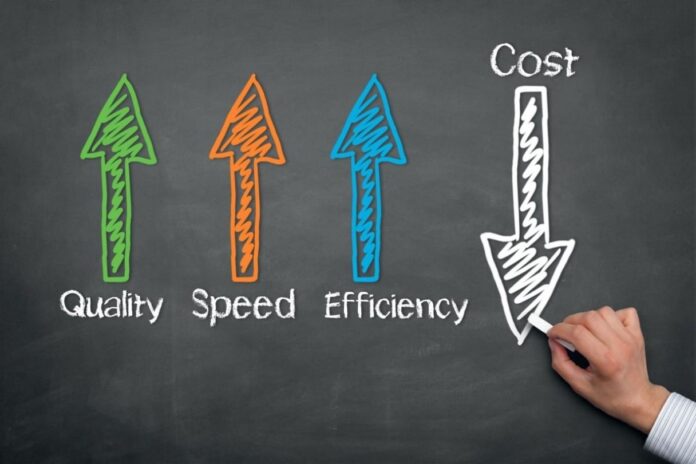
The paramount benefit of UV curing lies in its ability to significantly streamline production processes, translating directly into time and cost savings for manufacturers. Traditional drying methods often entail prolonged periods due to material viscosity, heat requirements, and curing time, all of which can stall production lines.
UV curing, with its instantaneous polymerization capabilities, accelerates these processes, allowing for rapid turnaround times and increased throughput. In industries where time is of the essence, such as food packaging and consumer electronics, UV curing can yield substantial competitive advantages.
By decreasing the curing time from hours or days to mere seconds, production schedules can be optimized, equipment utilization can be maximized, and labor costs can be reduced.
Eco-Friendly Practices: Reduced Energy Consumption
Amid growing environmental concerns, UV curing stands out as a particularly eco-friendly manufacturing approach. One of the most remarkable aspects of UV curing is its reduced energy consumption compared to conventional drying methods.
Unlike traditional thermal curing processes, which require significant energy to heat materials and spaces, UV curing operates at room temperature, activating only the materials themselves thereby conserving energy. Furthermore, the reduction of solvent-based substances used in traditional coatings translates into lower VOC emissions and minimal environmental impact.
Manufacturers embracing UV technology are more capable of adhering to stringent environmental regulations, making it easier to incorporate sustainability into their operational framework.
Improved Product Quality: The Long-Lasting Effects of UV Curing
In addition to efficiency and sustainability, UV curing dramatically enhances product quality, delivering durable finishes and superior performance characteristics that meet the ever-evolving demands of consumers and industries alike.
The rapid curing process minimizes the risk of common issues such as dust adherence or irregular finishes, resulting in products that are not just visually appealing but are also structurally robust. The exceptional hardness associated with UV-cured coatings ensures that products resist scratches, abrasions, and chemical spills, thereby extending their lifespan and reducing the need for repairs or replacements.
This quality assurance is crucial across diverse applications, from the automotive sector, where aesthetic appeal and durability are paramount, to the electronics industry, where even minor defects can lead to significant operational failures.
The Future of UV Curing: Trends and Innovations to Watch
Advancements in UV Curing Equipment: What’s on the Horizon
As UV curing technology continues to evolve, several exciting advancements in equipment and methods are on the horizon that promise to further enhance its applicability and effectiveness. For instance, the introduction of hybrid UV curing systems, which combine traditional UV lamps with LED technology, is setting new standards in curing quality and speed.
These hybrid systems benefit from the best attributes of both technologies, allowing manufacturers to achieve optimized curing results across a broader range of materials while also conserving energy. Furthermore, automation technologies are increasingly being integrated into UV curing processes, enabling manufacturers to monitor, adjust, and control curing conditions in real time, leading to enhanced precision and efficiency.
Emerging Applications: Beyond Traditional Uses
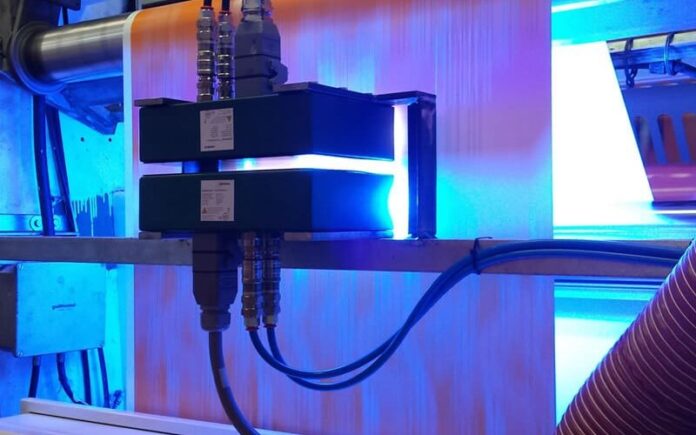
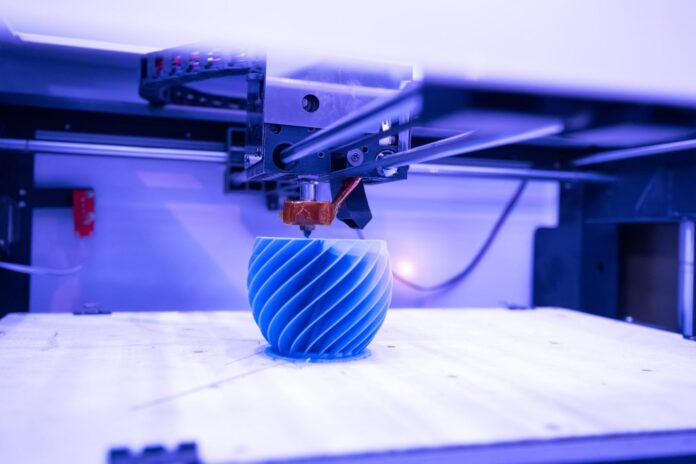
While UV curing has firmly established its importance in sectors like automotive and packaging, new applications are continually emerging, reflecting the technology’s versatility and adaptability. One such area is 3D printing, where UV curing is employed as a key curing mechanism to produce detailed, high-resolution parts.
Additionally, the medical device industry is beginning to embrace UV curing for its sterilization capabilities and the production of biocompatible materials. This growth into novel sectors reveals deeper insights into the potential of UV curing technologies to meet distinct operational challenges.
Challenges and Solutions: Navigating the Future of UV Technology
Despite the extensive advantages of UV curing, there are inherent challenges that manufacturers face in its integration. One notable issue is the initial investment costs associated with advanced UV curing equipment, which can deter smaller companies from adopting this technology.
However, as equipment suppliers increasingly offer more cost-effective solutions and as the overall market for UV curing grows, these barriers are being lowered. Moreover, the need for specialized training for staff operating UV curing systems is another consideration, as understanding the complexities of photopolymerization is critical for successful application.