

In the aftermath of a car accident, it’s common for victims to walk away believing they are lucky to have avoided serious injury. The adrenaline and shock that follow a collision can mask pain and stiffness for hours or even days. But what surprises many people is that some injuries, especially those involving the neck and back, don’t reveal their full impact until weeks later.
Delayed symptoms are not uncommon, and they can indicate damage that worsens over time without proper diagnosis or treatment. Understanding why these injuries progress is crucial for both your health and your legal rights.
The Hidden Nature of Neck and Back Injuries

The spine is one of the most complex and delicate structures in the body. It supports movement, flexibility, and protects the spinal cord, which is the central pathway for nerve signals. Even a seemingly minor collision can disturb this system.
Neck and back injuries are particularly deceptive because:
- Soft tissues such as muscles, ligaments, and tendons may tear or stretch without immediate inflammation.
- Spinal discs can shift or bulge over time as the body reacts to trauma.
- Nerve compression may develop days later as swelling increases.
- Muscle tension and misalignment can worsen with continued movement or poor posture during recovery.
Many people mistake the initial absence of pain as a sign that they were unharmed. Unfortunately, as inflammation sets in and tissue damage becomes more pronounced, symptoms can intensify significantly.
The Role of Adrenaline and Shock

Immediately after an accident, the body releases adrenaline and endorphins, hormones that prepare you to respond to danger. These chemicals temporarily block pain signals and heighten alertness.
As your body calms down over the following days, these hormones subside, revealing the true extent of your injuries. What begins as mild soreness can evolve into sharp pain, limited mobility, or radiating nerve discomfort.
This physiological delay is one reason accident victims should always seek medical evaluation right away, even if they feel fine at first.
Common Neck and Back Injuries With Delayed Symptoms
Not all spinal injuries are alike, but several types are known for worsening in the weeks following an accident.
1. Whiplash
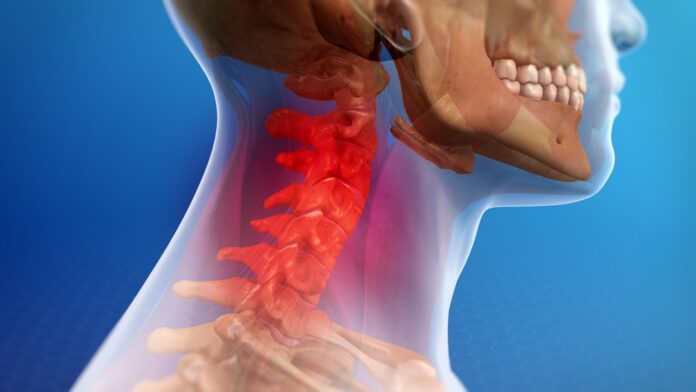
Whiplash is one of the most common neck injuries after a rear-end collision. It occurs when the head is suddenly jolted forward and backward, stretching or tearing the soft tissues in the neck.
Symptoms may include:
- Stiffness and reduced range of motion
- Headaches radiating from the base of the skull
- Shoulder or upper back pain
- Fatigue, dizziness, or blurred vision
These symptoms may start subtly and intensify over time as inflammation develops.
2. Herniated or Bulging Discs
Discs between the vertebrae act as cushions for the spine. The force of a collision can cause these discs to bulge or rupture, pressing on nearby nerves.
Symptoms might not appear for days or weeks and can include:
- Numbness or tingling in the arms or legs
- Shooting pain through the back or shoulders
- Weakness in specific muscle groups
- Difficulty sitting or standing for long periods
Because these injuries can worsen as disc pressure increases, early diagnosis through imaging tests is essential.
3. Soft Tissue Injuries

Muscles, ligaments, and tendons in the neck and back absorb much of the impact in a crash. Small tears or strains may not be immediately painful, but as the tissues swell and scar tissue develops, discomfort can intensify.
Common signs include:
- Tenderness and aching
- Muscle spasms
- Reduced flexibility
- Pain that spreads into surrounding areas
4. Facet Joint Injuries
The small joints connecting each vertebra can become misaligned or damaged in a collision. These injuries often mimic other spinal conditions and can take time to diagnose. Pain typically worsens with twisting or arching motions.
5. Nerve Damage or Inflammation
Even if the spine itself is intact, swelling from surrounding injuries can compress nerves. This can cause delayed pain, tingling, or burning sensations that worsen as inflammation increases.
Why Pain Gets Worse Over Time

Several biological and mechanical processes explain why spinal injuries often deteriorate rather than improve:
- Inflammation builds gradually. Swelling peaks days after the initial trauma, putting more pressure on nerves and muscles.
- Scar tissue formation. As the body heals, fibrous tissue can restrict movement or pull on nerves.
- Muscle compensation. When one area of the spine is injured, other muscles work harder to stabilize it, creating new sources of pain.
- Delayed misalignment. Minor joint or disc shifts can worsen as the body moves, leading to chronic strain.
In short, untreated spinal trauma is rarely static. That’s why consistent monitoring and follow-up care are vital.
The Importance of Early Medical Evaluation
Even if symptoms seem minor, prompt medical attention can prevent long-term complications. A doctor may order X-rays, MRIs, or CT scans to identify hidden damage.
Benefits of early evaluation include:
- Accurate diagnosis before injuries worsen.
- Documentation of the injury for insurance or legal claims.
- Timely treatment such as physical therapy or chiropractic care to improve healing.
- Prevention of chronic pain or permanent mobility issues.
Failing to seek care right away can not only harm your health but also weaken a potential personal injury claim. Insurance companies may argue that delayed symptoms mean the injuries were unrelated to the crash.
Long-Term Consequences of Delayed Spinal Injuries

When neck and back injuries go untreated, the long-term effects can be serious. Chronic pain, nerve damage, and reduced mobility are common. Some victims develop degenerative disc disease or post-traumatic arthritis years later due to untreated structural damage.
Other complications may include:
- Ongoing headaches or migraines
- Limited range of motion affecting work or daily activities
- Muscle imbalances that cause further injury
- Sleep disturbances and fatigue from chronic discomfort
What starts as a mild ache can evolve into a lifelong condition if ignored.
Protecting Your Health and Legal Rights

From a legal perspective, documenting your injury progression is critical. If you plan to pursue compensation for medical bills, lost wages, or pain and suffering, you will need evidence showing that the accident caused your symptoms, even if those symptoms appeared later.
Here are steps to protect yourself:
- See a doctor immediately after the accident, regardless of how you feel.
- Follow all medical advice and attend follow-up appointments.
- Keep detailed notes about your pain, limitations, and recovery.
- Avoid settling quickly with insurance companies before your condition stabilizes.
- Consult a personal injury attorney to ensure your claim reflects the full extent of your injuries.
Lawyers from Sigman, Janssen, Sewall, Pitz & Burkham work with medical experts to connect your delayed symptoms to the crash, ensuring you are not shortchanged in a settlement.
Neck and back injuries after a car accident are often far more complex than they first appear. Pain and stiffness that emerge days or weeks later can signal underlying damage to muscles, joints, or nerves.
The key is to take every symptom seriously, no matter how small. Early evaluation not only improves recovery but also strengthens your legal position if you pursue compensation.
In the weeks following a collision, your body tells a story. Listen closely, seek treatment, and protect both your health and your rights before those delayed injuries turn into lasting ones.