Wedding rings have always carried meaning. What’s changing isn’t their symbolism, but how that symbolism is expressed. Today’s couples are rethinking what a wedding ring should look like, how it should fit into daily life, and how closely it should reflect personal style. The result is a noticeable shift in design—one that feels modern, intentional, and more individual than ever before.
This evolution isn’t about replacing tradition. It’s about refining it.
From Uniform to Personal
Traditionally, many wedding rings followed a fairly narrow design language. Plain gold bands, simple diamond accents, and predictable profiles were the norm. While these styles are still deeply valued, many couples now want rings that feel more personal rather than symbolic by default.
Modern wedding rings reflect this change. Band widths vary. Finishes range from high polish to brushed or matte. Subtle detailing—such as sculpted edges or discreet diamond placement—allows each ring to feel distinct without losing its sense of permanence.
Redefining Meaning Through Design Choices
Meaning in a wedding ring is no longer tied solely to tradition or material value. It is increasingly tied to intention. Couples are choosing design elements that represent shared values, personal milestones, or aesthetic preferences that feel genuinely their own.
That intention often shows up in small but deliberate decisions, such as:
- opting for a slightly wider band to convey presence, stability, or a preference for weight on the hand
- choosing a brushed or matte finish for a quieter, more practical look that fits everyday wear
- selecting minimal diamond details to express commitment without visual excess or formality
Each of these choices carries significance without needing explanation. The ring becomes a reflection of how someone lives and what they values, not just what tradition suggests.
A Shift Toward Everyday Wearability
One of the biggest drivers is lifestyle. Wedding rings are no longer viewed as ceremonial pieces reserved for special occasions. They’re worn daily, often alongside engagement rings, watches, or other jewelry.
This has influenced everything from profile height to setting choices. Lower-set diamonds, smoother edges, and comfortable interiors are becoming standard considerations. Rings are designed to sit naturally on the hand, not interrupt movement.
The focus on comfort has led to designs that look modern and are easy to wear.
Comfort as a Design Principle
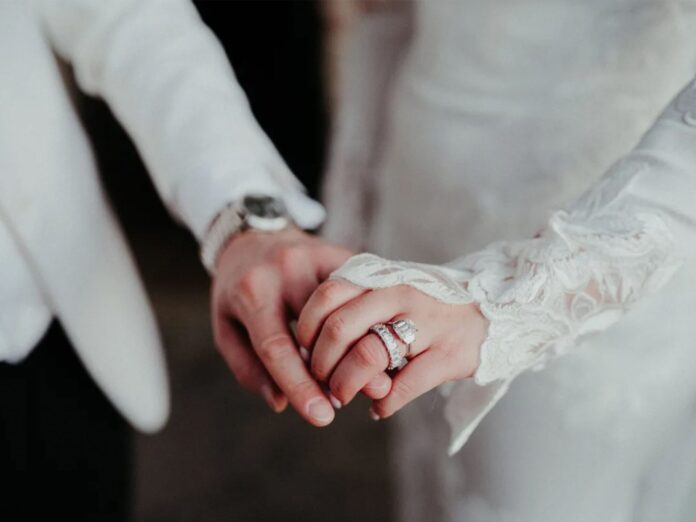
Comfort is no longer a secondary consideration. It is a core design principle.
Modern rings often feature comfort-fit interiors, refined edges, and balanced proportions that distribute weight evenly across the finger. Designers consider how the ring interacts with movement, temperature changes, and long hours of wear.
This focus reflects a broader shift in how jewelry is valued. A ring should feel like part of the wearer rather than an object that demands attention or adjustment.
Diamonds, Reconsidered in Design
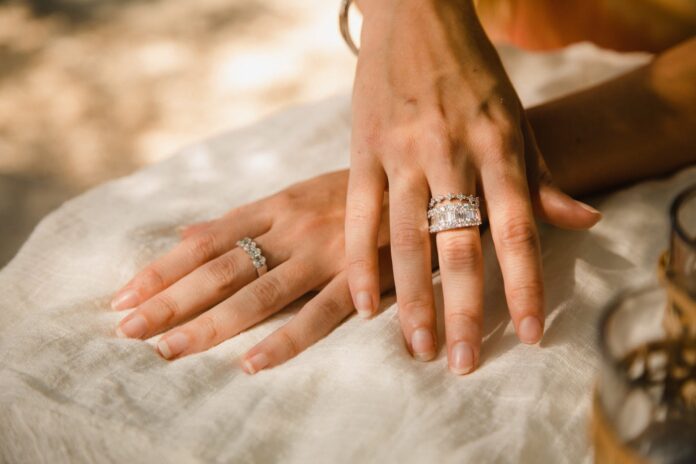
Diamonds remain central to many modern wedding rings, but how they’re used has changed. Instead of bold, highly decorative bands, today’s designs often feature diamonds integrated in unique ways—flush settings, half bands, or slim rows. Today’s designs offer far greater variety than before. This range allows couples to choose rings that align with their personal style—whether that means understated, decorative, or somewhere in between.
Why Lab-Grown Diamonds Fit the Moment
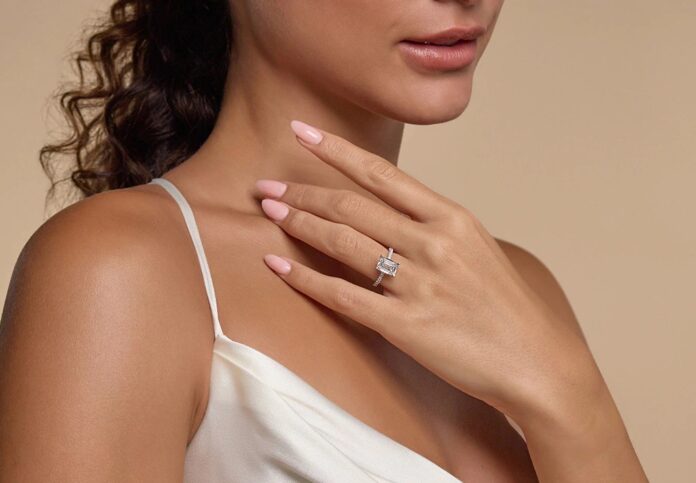
The rise of lab-grown diamonds has played a role in this modern shift, particularly in how couples approach customization. These diamonds make it more affordable to explore variations in band design, diamond size, or arrangement.
Why Subtle Diamond Placement Feels More Modern
The appeal of subtle diamond placement lies in balance. Diamonds that sit flush with the band or follow its natural line enhance the design rather than interrupt it.
This approach supports both durability and versatility. Rings feel appropriate in everyday settings while still carrying a sense of occasion. The result is a design that adapts easily to different moments rather than standing apart from them.
Breaking Away from “One-Style-Fits-All”
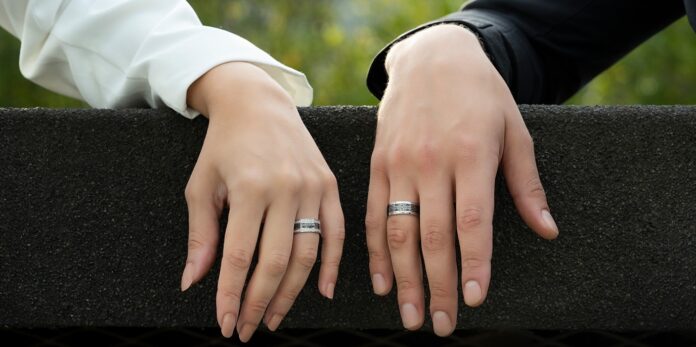
Modern wedding rings are moving away from the idea that there is one correct look. Some couples still choose identical bands as a shared statement, while others prefer complementary designs that reflect individual preferences while maintaining a sense of connection.
This shift has opened the door to a broader range of choices, including:
- Selecting bands with different widths or finishes that suit each person’s hand and lifestyle
- Choosing rings that share subtle design cues, such as texture or profile, without matching exactly
- Prioritizing comfort and wearability over traditional expectations tied to form or symbolism
This openness has encouraged designers to think beyond gendered styles or rigid rules. Rings are now chosen based on visual balance, comfort, and how they fit into someone’s daily wardrobe, allowing tradition to adapt naturally rather than dictate the outcome.
Expanding Creative Freedom Without Excess
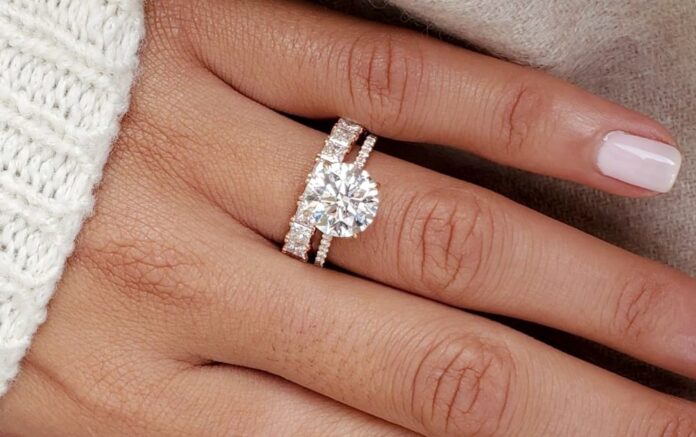
Lab-grown diamonds support thoughtful design rather than excess. Couples can focus on proportion, balance, and overall composition instead of maximizing size or ornamentation.
This shift aligns with modern values that favor intention, sustainability, and clarity over spectacle.
The Influence of Minimalism and Architecture
Clean lines, intentional spacing, and subtle structure are defining characteristics of modern jewelry design overall, and wedding rings are no exception. Architectural influences—such as flat edges, geometric profiles, and streamlined settings—have found their way into bands that still feel timeless.
These designs appeal to couples who want their rings to feel current without relying on trends that may feel dated later.
Why Simplicity Often Ages Better
Minimalist and architectural designs rely on proportion rather than trend-driven details. This restraint allows rings to remain visually relevant across decades.
Simplicity does not mean plain. It means thoughtful use of form, texture, and negative space to create lasting visual balance.
Tradition, Reinterpreted
The modern makeover of wedding rings does not reject tradition. It refines it. The symbolism remains intact. The commitment remains central.
What has changed is the freedom to express that commitment in ways that align with contemporary life. Wedding rings today reflect how people live, work, and define themselves, turning a timeless symbol into something deeply personal and enduring.