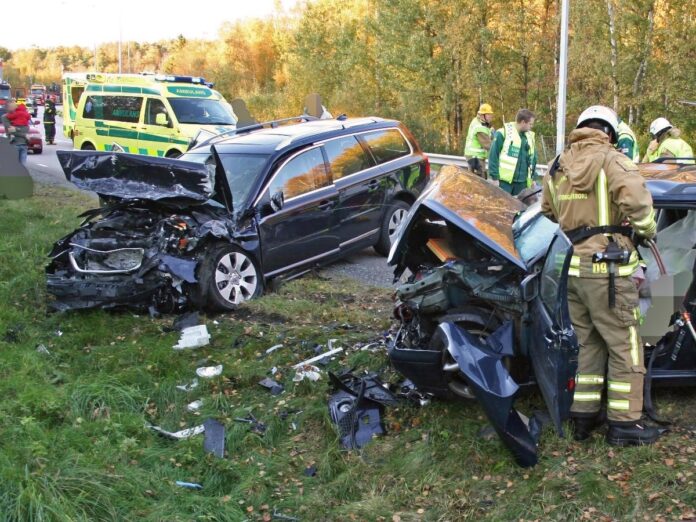
Car accidents rarely unfold as a single, simple event. Many crashes involve multiple impacts, known as secondary collisions, which often lead to more severe injuries than the initial crash itself. While most drivers focus on the first point of impact, it is often the follow-up collision that causes the most serious harm.
Understanding how secondary collisions occur and why they are so dangerous can help victims, investigators, and South Bend injury attorneys determine fault and pursue full compensation for the injuries sustained.
What Is a Secondary Collision?
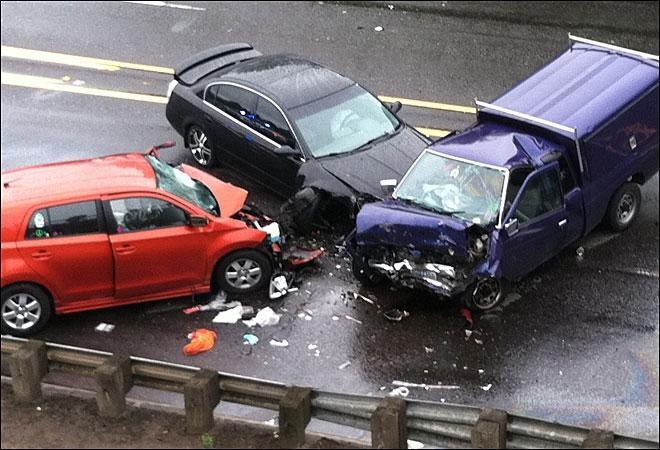
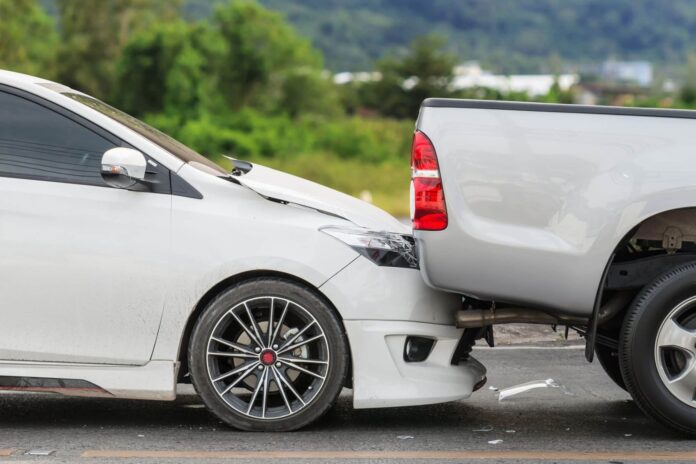
A secondary collision occurs when a vehicle or person involved in an initial crash is struck again before the scene is secured or before coming to a complete stop. These crashes happen in rapid succession, often within seconds, and can involve multiple vehicles.
Some common examples include:
- A car rear-ended at a stoplight is pushed into the intersection, colliding with cross-traffic.
- After a highway crash, another vehicle approaches too quickly and crashes into the already-damaged cars.
- A driver loses control after an initial impact and strikes a guardrail, pole, or another stationary object.
- Pedestrians or bystanders at the scene are hit by other vehicles attempting to avoid the crash.
Secondary collisions are not rare. On busy highways or multi-lane roads, they can trigger chain-reaction pileups that involve dozens of vehicles and result in catastrophic injuries.
Why Secondary Collisions Are So Dangerous
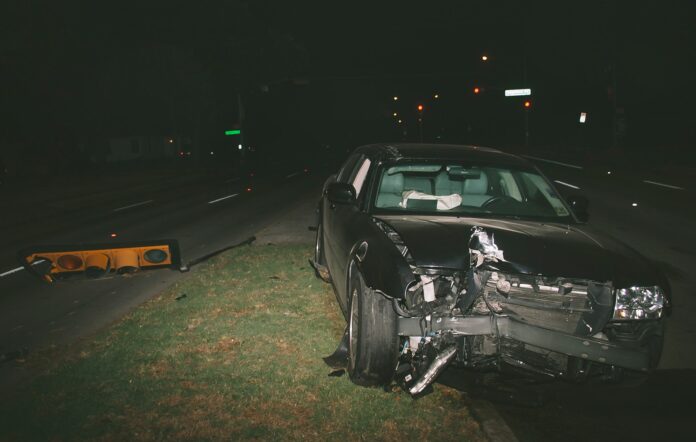
Secondary impacts often cause more serious injuries because the vehicles involved are already compromised. After the first impact, airbags may have deployed, brakes may be damaged, and drivers may be disoriented or unable to react.
Several factors make these crashes particularly hazardous:
- Reduced Vehicle Control
After the initial impact, a driver may lose control of steering or braking, making it impossible to avoid additional collisions. - Unexpected Trajectories
Vehicles can spin, roll, or be pushed into new lanes, placing them in the path of other traffic. These unpredictable movements make it difficult for other drivers to avoid further crashes. - Increased Vulnerability of Occupants
Seatbelts and airbags are designed to protect against one major impact, not multiple hits. After the first collision, safety systems may no longer function, leaving occupants unprotected. - High-Speed Chain Reactions
On highways, other drivers may not have enough time or space to stop when approaching an existing crash. Secondary impacts often happen at high speeds, compounding the damage. - Human Factors
Drivers involved in the first crash may panic, exit their vehicles, or stand near traffic. Secondary collisions frequently injure those who believe it is safe to assess damage or call for help.
The combination of confusion, vehicle damage, and oncoming traffic creates an environment where minor accidents can turn deadly within seconds.
Common Causes of Secondary Collisions
While every situation is unique, certain conditions make secondary impacts more likely.
1. Poor Visibility
Rain, fog, snow, or nighttime conditions reduce visibility. Drivers approaching an accident scene may not see stopped or disabled vehicles in time to avoid hitting them.
2. Speeding and Tailgating
Drivers who follow too closely or travel at high speeds have less time to react to sudden stops. On highways, this often leads to chain-reaction collisions after the initial crash.
3. Distracted Driving
When a crash occurs ahead, distracted drivers may not notice brake lights or hazard signals until it is too late. Texting, eating, or adjusting in-car technology are all common distractions that contribute to follow-up impacts.
4. Road Design and Layout
Curves, hills, and poorly lit areas make it harder for approaching drivers to see stopped vehicles. Inadequate signage or guardrails can worsen the situation.
5. Failure to Clear the Roadway
After an initial crash, vehicles that remain in the travel lane increase the likelihood of secondary collisions. Drivers who fail to move to the shoulder or activate hazard lights unintentionally create additional hazards.
The Physics of Multiple Impacts
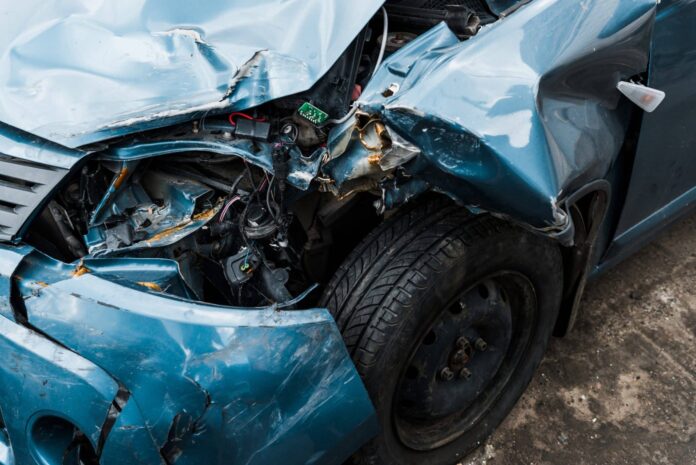
From a biomechanical standpoint, secondary collisions multiply the forces acting on the body. Each impact changes the direction of motion, causing occupants to be thrown forward, sideways, or even upward inside the vehicle.
These rapid, unpredictable movements lead to injuries such as:
- Whiplash and spinal trauma from sudden directional changes.
- Traumatic brain injuries caused by repeated head impacts or violent jolts.
- Chest and abdominal injuries when airbags deploy multiple times or seatbelts tighten with each impact.
- Fractures and lacerations from collapsing vehicle structures or shattered glass.
Even low-speed secondary impacts can produce severe injuries if the occupant’s body has already been weakened by the first collision.
Legal Challenges in Secondary Collision Cases
Determining liability in a multi-impact crash can be complex. Unlike single-car collisions, these cases often involve multiple drivers, insurance carriers, and contributing factors.
Attorneys and investigators must carefully examine the sequence of events to establish who caused each impact and whether the secondary collision was preventable.
Key questions include:
- Did another driver fail to slow down or maintain a safe following distance?
- Was the first driver’s negligence the reason the vehicle was stopped in a dangerous location?
- Were weather, lighting, or road conditions contributing factors?
- Did any party fail to use hazard lights or warning signals after the first impact?
Accident reconstruction experts often play a vital role in these cases. They analyze skid marks, vehicle positions, and black box data to recreate the timeline of events.
Comparative Fault in Multi-Vehicle Collisions
In many states, comparative negligence laws apply to accidents involving multiple parties. This means each driver’s percentage of fault affects their ability to recover damages.
For example:
- If a driver was rear-ended and pushed into another car, they may not be at fault for the secondary impact.
- However, if they stopped suddenly for no reason or failed to activate hazard lights after the first crash, they could share partial responsibility.
Determining percentages of fault requires analyzing every driver’s behavior before and after the initial impact.
Preventing Secondary Collisions
While not every crash can be avoided, drivers can reduce their risk of being involved in or causing a secondary collision.
If You Are in a Crash:
- Stay inside your vehicle with your seatbelt on if traffic is still moving around you.
- Activate hazard lights immediately to alert other drivers.
- Move to safety if possible, pulling onto the shoulder or out of the traffic lane.
- Call emergency services and wait for help from a safe location.
- Warn other drivers by placing flares or reflective triangles if it is safe to do so.
As an Approaching Driver:
- Stay alert when traffic slows unexpectedly.
- Keep a safe following distance to allow reaction time.
- Avoid distractions and focus on scanning the road ahead.
- Reduce speed when approaching flashing lights or congestion.
A few seconds of caution can prevent a serious or even fatal follow-up crash.
Why Victims Need Legal Support

Victims of secondary collisions often face confusion when it comes to fault and compensation. Multiple insurance companies may deny responsibility, and determining which impact caused specific injuries can be difficult.
An experienced personal injury attorney can:
- Reconstruct the crash sequence with experts.
- Identify all liable parties and available insurance coverage.
- Calculate damages for medical bills, lost wages, and long-term care.
- Handle communication with insurers and protect against low settlement offers.
Secondary collisions are rarely straightforward. Having professional legal guidance ensures that victims receive fair treatment and full recovery for their losses.
Secondary collisions illustrate how quickly one crash can escalate into many. The chaos that follows an initial impact often leads to more dangerous and devastating outcomes. Because these incidents involve complex physics, multiple parties, and overlapping causes, they require careful investigation and legal expertise.
By understanding why secondary collisions happen and how they cause such severe injuries, drivers can take steps to protect themselves, and victims can better pursue justice when negligence is involved.
A single moment of inattention or excessive speed can set off a chain reaction. Knowing how to respond and when to seek help can make the difference between a manageable accident and a life-changing catastrophe.