U-turns can be convenient when a driver misses an exit or realizes they are going the wrong way. But when performed in the wrong place or at the wrong time, a U-turn can be one of the most dangerous maneuvers on the road. Illegal or poorly executed U-turns often lead to serious collisions involving oncoming traffic, motorcycles, pedestrians, or nearby vehicles.
When a crash occurs because of an illegal U-turn, determining who is responsible is not always as simple as it seems. While the driver making the U-turn is usually at fault, other factors such as road design, signage, or the behavior of other drivers may also play a role. Understanding how liability is determined can help victims pursue fair compensation after these preventable accidents.
Why U-Turns Are So Risky
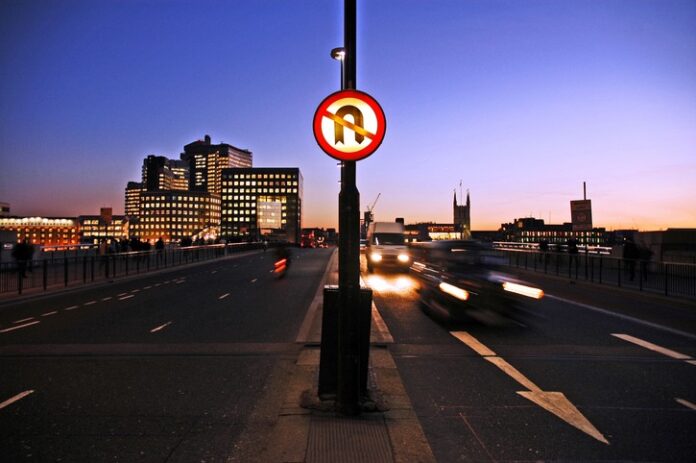
A U-turn requires a driver to cross multiple lanes of traffic and re-enter the roadway from the opposite direction. This maneuver can be especially dangerous on busy streets, at intersections, or where visibility is limited.
Common risks associated with U-turns include:
- Limited visibility: Drivers may misjudge the distance or speed of oncoming vehicles.
- Unexpected movement: Other drivers may not anticipate a sudden U-turn, leaving little time to react.
- Blocked intersections: A large or slow-turning vehicle can obstruct lanes, increasing the risk of rear-end or side-impact collisions.
- Pedestrian hazards: Crossing sidewalks or crosswalks during a U-turn puts pedestrians at risk.
Because of these dangers, traffic laws restrict U-turns in many areas and prohibit them entirely in certain conditions.
What Makes a U-Turn Illegal?
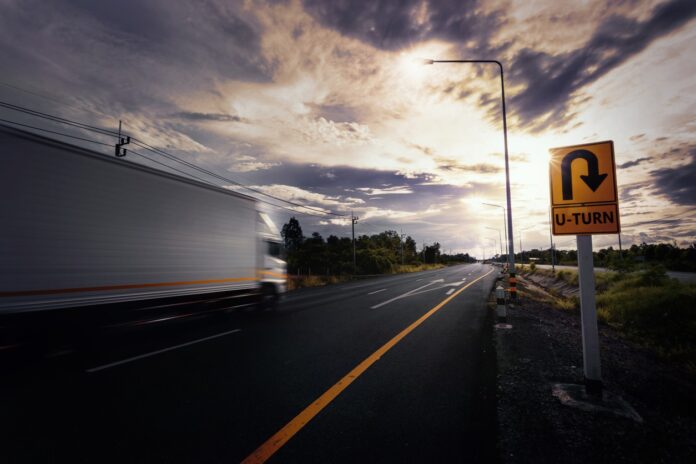
Not every U-turn is unlawful. Legal U-turns are permitted in some intersections and open roads if signs and conditions allow them. However, several situations make U-turns illegal under most state traffic laws:
- Performing a U-turn at a red light where it is not specifically allowed.
- Making a U-turn in front of oncoming traffic when it is unsafe to do so.
- Attempting a U-turn on a curve, hill, or blind spot where other drivers cannot see the vehicle in time.
- Making a U-turn in a school zone, business district, or residential area with heavy traffic.
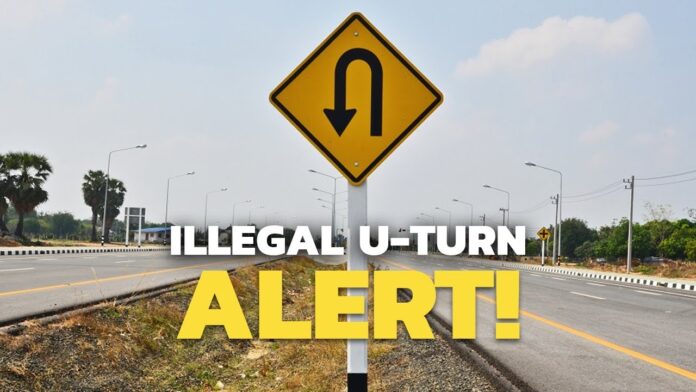
- Ignoring “No U-Turn” signs posted by traffic authorities.
If a driver violates one of these rules and causes a crash, they are likely to be held responsible.
Types of Crashes Caused by Illegal U-Turns
Illegal U-turns can lead to a range of collisions, many of which result in serious injuries. Common scenarios include:
- Head-on collisions with vehicles traveling in the opposite direction.
- T-bone (side-impact) crashes at intersections.
- Rear-end collisions when a U-turning driver stops abruptly in traffic.
- Motorcycle and bicycle accidents caused by sudden turns into their path.
- Pedestrian accidents in crosswalks or on sidewalks.
Because these accidents often occur at intersections or high-speed roadways, the injuries can be severe, leading to broken bones, spinal trauma, or fatalities.
Determining Liability in U-Turn Accidents
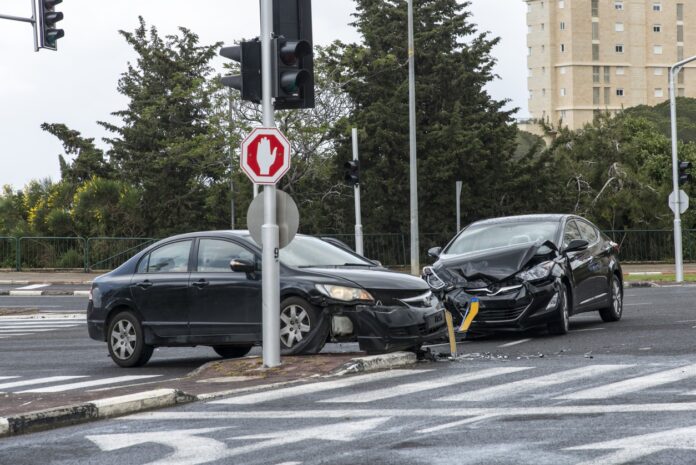
In most cases, the driver making the illegal U-turn is primarily responsible. Traffic laws require drivers to ensure that the road is clear before turning and to obey all posted signs. When a driver makes a prohibited or unsafe U-turn, they are violating their duty of care to others on the road.
However, establishing liability can sometimes involve additional factors. Courts and insurance companies may look at:
- Traffic signal data showing who had the right of way.
- Witness statements describing how the maneuver occurred.
- Surveillance or dashcam footage capturing the moment of the turn.
- Police reports documenting traffic violations or citations.
- Accident reconstruction to show speed, distance, and reaction time.
In rare cases, another party may share fault if poor road design or faulty signage contributed to the accident.
Shared Fault and Comparative Negligence
Many states follow a system called comparative negligence, which means multiple parties can share responsibility for a crash.
For example:
- If a driver makes an illegal U-turn but another driver was speeding or texting, both may share fault.
- If the victim swerved unsafely or was tailgating, their own actions could reduce their compensation.
Under comparative negligence, each party’s damages are reduced by their percentage of fault. For instance, if a victim is awarded $100,000 but found 20 percent responsible, they would receive $80,000.
How Insurance Companies Handle U-Turn Accidents
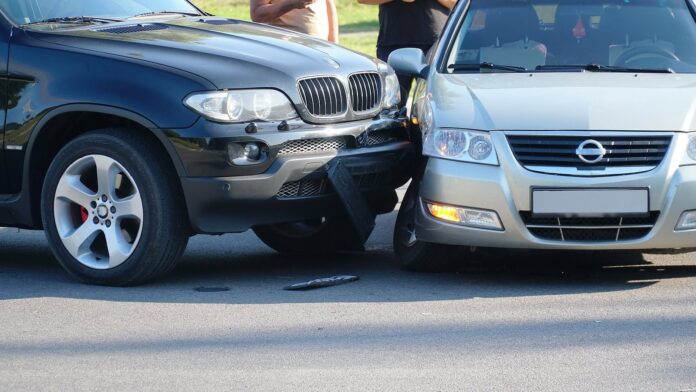
Insurance companies often presume that the driver making a U-turn is at fault, especially if the turn was prohibited or unsafe. However, insurers may still try to minimize payouts by arguing that the other driver could have avoided the crash.
To protect your claim, it is important to:
- Document the scene by taking photos of traffic signs, skid marks, and vehicle damage.
- Collect witness information to support your version of events.
- Request a copy of the police report for official documentation.
- Seek medical attention to establish a record of injuries.
- Consult an attorney who can handle negotiations and gather evidence.
An experienced Chicago car crash attorney can also work with accident reconstruction experts to demonstrate how the illegal U-turn directly caused the crash.
When Other Parties May Be Liable
Although the driver making the illegal U-turn is typically at fault, there are situations where additional parties may share liability:
- Employers: If a commercial driver performs an illegal U-turn while on the job, the employer may be responsible under vicarious liability.
- Government entities: Poor signage, malfunctioning traffic lights, or unsafe intersection design could place partial blame on a municipality.
- Vehicle manufacturers: If a mechanical failure such as a steering or brake defect caused the driver to lose control, the manufacturer could be liable.
Because multiple parties may be involved, legal investigation is often essential to identify all potential sources of compensation.
Common Defenses in U-Turn Accident Cases
Drivers accused of making illegal U-turns may attempt to defend themselves by arguing:
- The turn was legal based on local traffic rules.
- Weather or road conditions obscured traffic signs, making the restriction unclear.
- The other driver’s negligence or distraction was the main cause of the crash.
- The maneuver was performed to avoid an emergency, such as debris or an animal in the road.
An attorney representing the injured party will counter these claims with evidence, eyewitness accounts, and traffic data to prove fault.
Recoverable Damages After a U-Turn Accident
Victims injured by a driver making an illegal U-turn may be entitled to compensation for:
- Medical expenses and rehabilitation
- Lost income and reduced earning capacity
- Pain and suffering
- Property damage
- Emotional distress
- Wrongful death damages (for surviving family members)
Strong evidence, including photos, witness statements, and police citations, helps ensure victims receive full and fair compensation for their losses.
Illegal U-turns are more than traffic violations—they are dangerous maneuvers that frequently lead to serious accidents. Drivers who make unsafe or prohibited U-turns often bear full responsibility for the harm they cause, but determining fault can still involve a detailed review of evidence, witness accounts, and local laws.
Victims of U-turn accidents should act quickly to preserve evidence and seek legal guidance. With the right support, it is possible to hold negligent drivers accountable and recover the compensation needed to move forward after a devastating crash.