The world of 3D animation thrives on characters that feel alive, memorable, and full of personality. Unlike realistic characters, stylized designs lean into exaggeration, simplified forms, and distinct visual languages that support storytelling.
A good stylized character can captivate audiences instantly, whether in a film, game, or short commercial. But designing and texturing them is not a casual process – it requires strong artistic principles, technical know-how, and an eye for consistency.
This guide covers the full process in detail, helping artists approach stylized character creation with confidence and clarity.
Understanding Stylization in Character Design
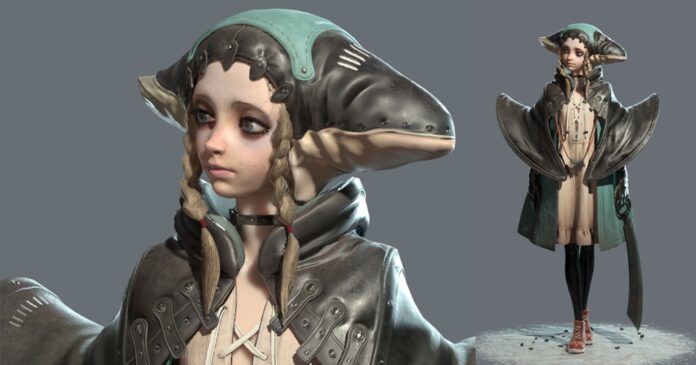
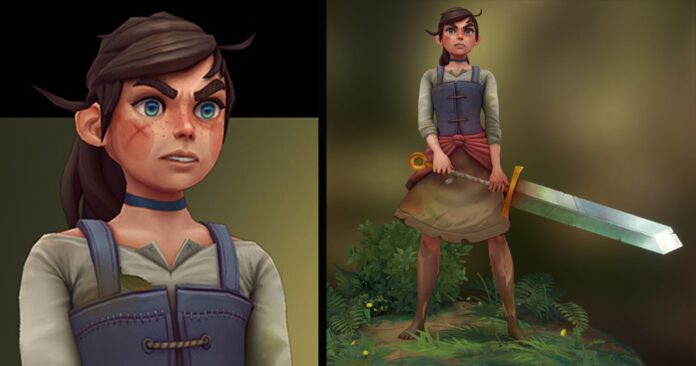
Stylization is not about ignoring reality; it’s about bending it in purposeful ways. A stylized character carries hints of realism but is shaped by creative exaggeration.
The large, expressive eyes of animated heroes, or the blocky, angular forms of villains, exist to highlight personality traits more clearly than realism allows.
The heart of stylization lies in recognizability. Even when a character is seen only in silhouette, the audience should immediately understand its essence.
This is why studios invest heavily in defining visual rules for a project—so that no matter how wild the exaggeration, the character still fits the universe and feels consistent.
Building the Foundation: Shapes, Silhouettes, and Proportions
Before diving into details, artists focus on structure. Shapes and silhouettes are the backbone of stylized character design. They tell a story before the character even speaks.
- Primary Shape Language: Circles suggest friendliness, triangles suggest aggression, and squares often imply reliability or stubbornness.
- Silhouette Strength: A character that reads clearly in silhouette will always be visually strong. Clarity here prevents confusion in motion.
- Exaggerated Proportions: Larger heads, elongated arms, or smaller torsos add distinctiveness. These shifts in proportion give stylized characters their charm.
By starting with strong foundations, artists ensure their characters stand out without relying solely on texturing or surface detail.
From 2D Concept to 3D Model
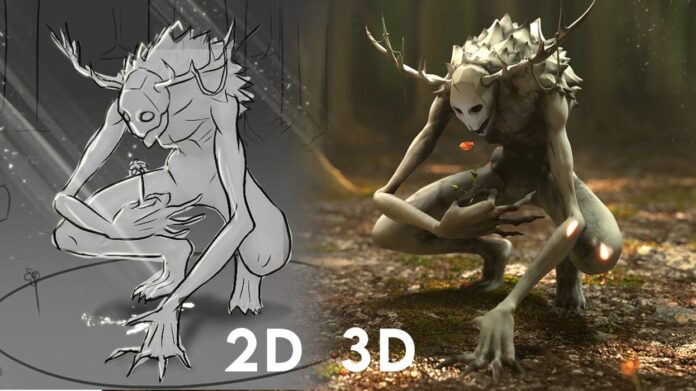
The biggest challenge is often carrying the energy of concept art into 3D space. Many early designs lose their spark once turned into polygons.
To avoid this, sculpting software such as ZBrush or Blender is used not just for accuracy but for creative interpretation.
Topology becomes critical here. Clean edge flow ensures the character can be animated later without distortion.
For stylized characters, this means supporting big expressions – wide smiles, raised brows, exaggerated eye blinks – without breaking the mesh.
In professional pipelines, constant back-and-forth between concept art and 3D sculpting keeps the original intent alive. A model that feels stiff or overly technical will fail to capture the magic of the original drawing.
Digital Tools for Stylized Characters
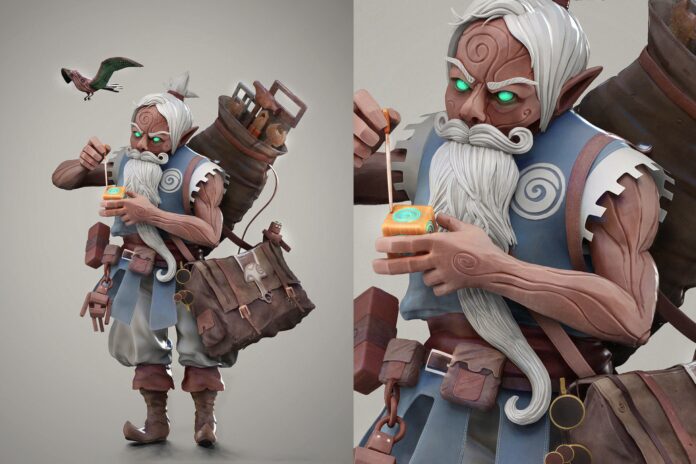
Today’s workflows give artists a wide range of choices. Sculpting programs define form, texturing tools add surface story, and rendering engines bring everything to life.
Some creators now integrate an image to 3d pipelines. Platforms like 3DAI Studio allow artists to generate base assets from reference images, which can then be refined.
This accelerates iteration, freeing artists to focus on creative polish rather than repetitive setup. For indie projects, it can mean the difference between months of work and a workable prototype within days.
What matters most is not which software you choose, but how consistent your workflow remains. A strong pipeline keeps creativity flowing without bottlenecks.
Texturing for Style Instead of Realism
When it comes to stylization, textures must serve the art direction. Unlike realism, where every pore or scratch is necessary, stylized texturing is about suggestion and visual shorthand.
A few approaches stand out:
- Hand-Painted Textures: Favored in stylized games, this method creates a painted look that feels alive and handcrafted.
- Simplified Materials: Instead of complex realism, wood may appear smooth with only minimal grain, while metal shines with broad reflections.
- Focused Detail: Adding small highlights only where the audience will look—such as the face – while leaving other areas cleaner prevents distraction.
The best textures complement shape and silhouette, reinforcing the design choices instead of competing with them.
Color and Consistency Across Characters
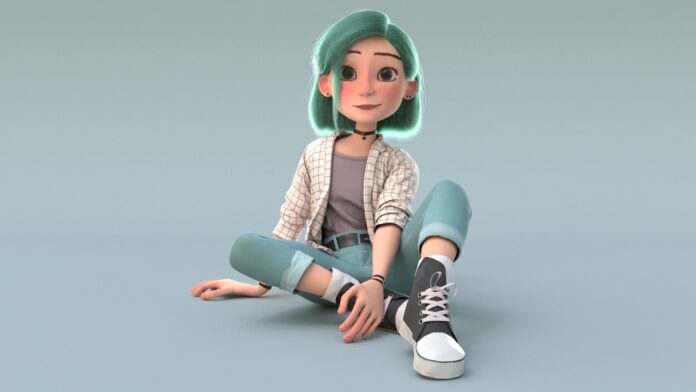
Color is often underestimated in stylized design, but it’s one of the strongest storytelling tools available. A fiery palette can signal passion or danger, while cool blues can suggest wisdom or calm.
Consistency is equally important. In team-based productions, style guides are developed to regulate saturation levels, brush stroke patterns, and highlight placement.
Without them, a group of characters may feel as if they belong to different projects, breaking immersion.
Stylized characters succeed not just because of their shapes, but because of their visual harmony with everything around them.
Designing for Animation Performance
Characters are made to move, and stylized characters often exaggerate movement far more than realistic ones. This requires extra planning during design.
- Flexible Rigs: The mesh must bend naturally, supporting squash and stretch without breaking.
- Expressive Faces: Large eyes, brows, and mouths provide animators with more range for emotions.
- Motion Readability: Oversized hands, accessories, or hairstyles should not clutter movement but emphasize rhythm.
A character that looks good in stills but breaks down during motion can derail an entire production. Animation-readiness is not optional; it’s essential.
Case Studies in Popular Media
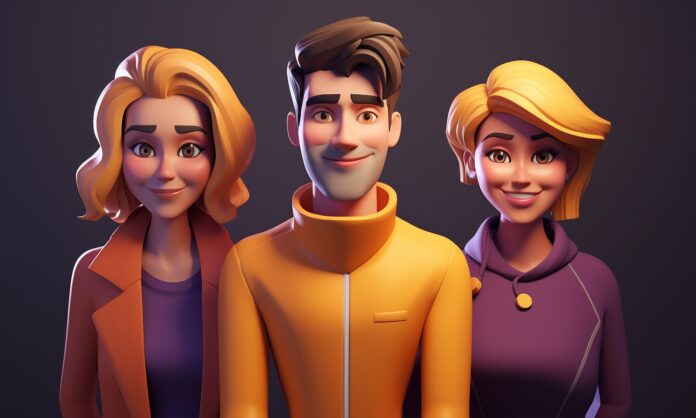
Examples from major studios show how effective stylization can be. Pixar’s characters, like those in Inside Out or The Incredibles, embody exaggerated shapes tied directly to personality.
Meanwhile, Nintendo’s Zelda series employs painterly textures and vibrant palettes to create worlds that feel alive yet approachable.
These successes share one common thread: clarity of vision. Every design choice is deliberate, and every texture supports the larger narrative tone.
Challenges and Solutions
Stylized character design is rewarding but never without obstacles. Among the most common:
- Flatness from 2D to 3D: Constantly compare sculpts with sketches to retain energy.
- Overloading with Texture: Simplicity often works better; avoid unnecessary details.
- Style Inconsistency: Maintain guidelines and review frequently to ensure cohesion.
Each of these problems is solvable if caught early. A team that works collaboratively on style alignment will always produce stronger results.
Conclusion: Bringing Characters to Life
Designing and texturing stylized characters for 3D animation requires balance: the balance between exaggeration and believability, between artistry and technical function, between creativity and pipeline efficiency.
Strong silhouettes, thoughtful texturing, and animation-ready design ensure that characters don’t just look appealing but also perform beautifully on screen.
By combining foundational principles with modern tools, artists can bring to life characters that feel unique, emotionally resonant, and timeless within the world of animation.