
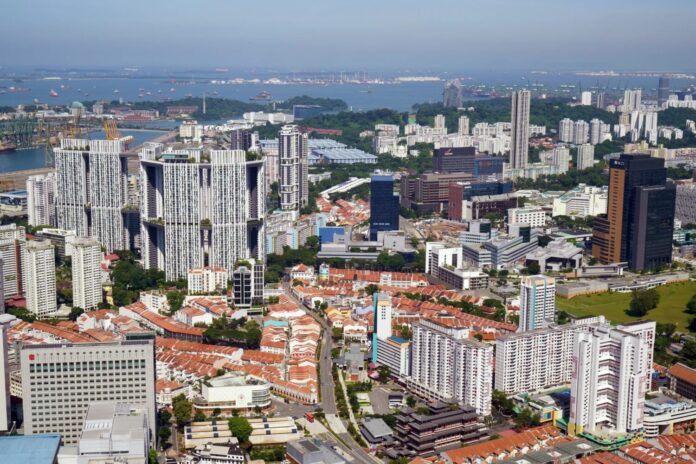
Central Singapore remains the part of the city where demand rarely fades. Families, professionals, and investors are drawn to its unmatched blend of location, lifestyle, and long-term value.
Properties here are priced higher than most regions, yet buyers continue to see them as worthwhile because of the convenience and prestige tied to the area.
For investors, central homes are also proven assets. Prices have shown steady resilience across market cycles, bouncing back quickly even after downturns.
Rental demand stays strong thanks to expatriates, corporate tenants, and students who prefer to live near the city core.
With limited land supply and new launches setting benchmarks for pricing, central Singapore continues to stand out as a safe, reliable choice in the property market.
The pull of prime location and connectivity

Living in central Singapore saves time. Professionals working in CBD offices walk or take just one MRT stop to reach home.
Families benefit from access to reputable schools, medical facilities, and recreational spots. Orchard, River Valley, and Marina Bay remain popular because every essential service sits within minutes.
Key advantages buyers value:
- Easy MRT access to multiple lines and interchanges
- Reputable schools like Anglo-Chinese School and Singapore Chinese Girls’ School
- Close proximity to malls, parks, and healthcare hubs
- Shorter travel times compared to outer regions
Centrality is not just about prestige. It translates into daily convenience, which itself becomes a core driver of long-term demand.
Lifestyle-led projects shaping buyer interest
In central Singapore, new condominiums are more than just places to live. Developers design them as lifestyle hubs, weaving in retail space, landscaped gardens, and facilities that feel closer to boutique hotels than traditional residences.
That mix attracts both locals and expatriates who want convenience without giving up a sense of community.
One project that illustrates this well is Skye at Holland. Located near the character-rich Holland Village, it offers modern living alongside one of the city’s most vibrant dining and cultural pockets.
The greenery around the area adds a quieter backdrop, which appeals to families, while the surrounding cafes and nightlife draw younger tenants.
For investors, that balance translates into consistent rental demand and fewer vacancy concerns.
Supply constraints and pricing benchmarks
Scarcity of land in central districts sets the tone for pricing. Government land sales in the core central region are limited, and collective sales face high hurdles.
Developers who secure sites typically launch at premium price points, which then set benchmarks for nearby projects.
| Factor | Impact on Pricing | Long-Term Effect |
| Limited GLS supply | Fewer new launches | Higher entry prices |
| Strong en-bloc resistance | Rare redevelopment | Preservation of scarcity |
| Premium launches | Sets neighborhood benchmarks | Sustains value appreciation |
The line graph below shows how central Singapore properties consistently outperform fringe and outside central regions.
Over the past decade, central homes not only recorded higher overall growth but also displayed smaller dips during downturns.
Fringe areas grew steadily, while outside central regions saw slower appreciation.
This highlights why buyers and investors continue to view central districts as safer long-term assets.
Rental market resilience in central areas
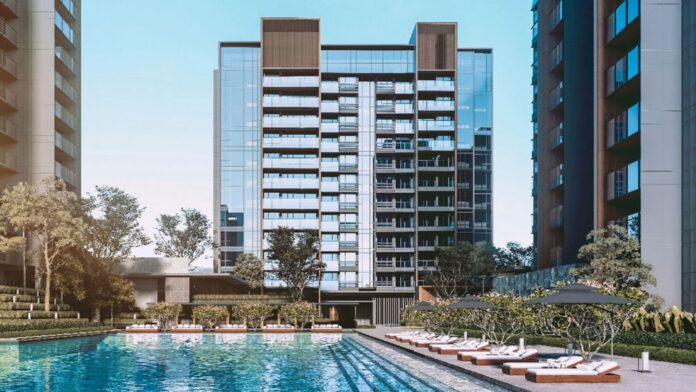
Investors often measure value through rental yield stability. Central districts rarely disappoint. Units in Clarke Quay, River Valley, and Newton see shorter vacancy periods due to strong expatriate demand.
Why rental demand remains steady:
- Professionals working in Marina Bay and Orchard seek nearby residences
- Overseas students prefer central access to universities
- Co-living operators lease blocks to meet corporate housing needs
Even during market slowdowns, central rentals remain more resilient compared to outer districts. Investors prioritize this consistency over chasing higher but volatile yields elsewhere.
Projects that redefine prestige
Each new project in central Singapore raises attention because of limited launches. Developers emphasize exclusivity and modern features to meet international demand.
Penrith illustrates how prestige projects anchor value. Its prime location and architectural statement set a new bar for luxury living. Buyers who purchase early often see uplift as nearby projects adopt similar pricing.
It is worth noting that central properties bounce back faster after downturns. For example, after the 2008 crisis, central district prices recovered within two years. Similar trends appeared after 2013’s cooling measures and even during the pandemic.
Central freehold properties, in particular, tend to resist mid-lease depreciation, keeping demand alive across generations.
Why central properties keep outperforming
To consolidate the main drivers:
- Connectivity ensures time savings and access.
- Lifestyle appeal makes living vibrant and tenant demand stable.
- Scarcity of land limits supply and supports higher prices.
- Rental strength secures steady cash flow for investors.
- Resilience over decades positions central properties as long-term assets.
Looking ahead at future demand
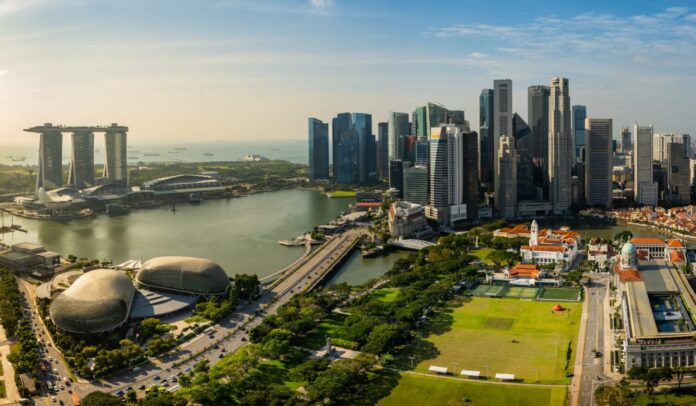
Government upgrades like the Thomson-East Coast MRT Line and Orchard Boulevard redevelopment keep central districts attractive.
Singapore’s expanding global financial role ensures consistent interest from overseas buyers. For locals, owning centrally located homes still signals both lifestyle quality and financial assurance.
High entry prices remain a challenge, but the market history shows that paying a premium in central Singapore is rarely wasted. Buyers and investors continue to view central properties as the most reliable form of real estate wealth preservation.
Conclusion
Central Singapore stands as more than a luxury address. It is a cluster of neighborhoods where location, lifestyle, and scarcity intersect. Properties here prove resilient across market cycles, attract steady tenants, and consistently set benchmarks for the rest of the island.
For buyers and investors aiming to safeguard value, central remains unmatched.