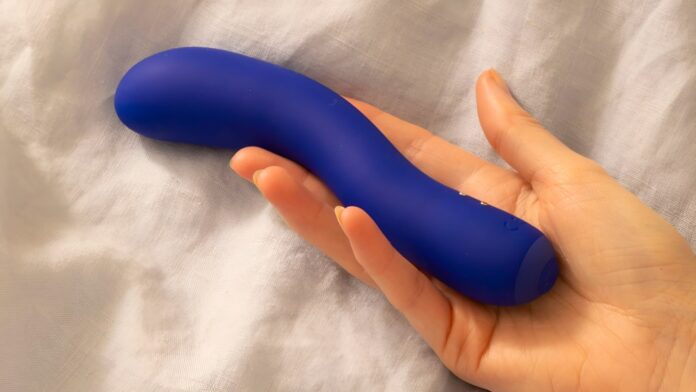
Buying your first intimate toy can stir up a quiet storm of thoughts. Curiosity pulls you in, but uncertainty holds you back. Maybe it’s the stigma, the sheer number of options, or simply not knowing where to begin. What matters is this: the impulse to explore your own pleasure is valid—and worth honoring with care.
This guide isn’t about telling you what to buy. It’s about helping you feel confident as you buy. Because that moment—the first decision to choose yourself, your needs, your body—deserves support, not shame.
Whether you’re feeling nervous, intrigued, excited, or all three, you’re not alone. Every confident shopper was once a beginner, too.
Key Points
- First-time toy buyers often face hesitation due to stigma, overwhelm, or lack of guidance.
- Comfort starts with education, quality shopping experiences, and focusing on personal needs.
- Privacy, safety, and discretion are essential elements of a supportive buying process.
- There’s no universal “starter” toy—confidence comes from understanding your own desires.
Understanding the Hesitation: It’s Not Just You

For many people, buying a personal toy for the first time is far from a casual decision. It might come after months—or even years—of private curiosity. But when desire finally meets action, a wave of hesitation often kicks in: Is this normal? Will it be obvious I’m new at this? What if I choose the wrong thing?
These questions don’t mean someone’s not ready. They simply reflect how little cultural space is made for open, shame-free conversations about solo or partnered pleasure, especially for women. This isn’t about promiscuity or performance. It’s about claiming one’s right to know and enjoy their own body.
The first step in boosting confidence is recognizing that nervousness is valid. But it doesn’t have to dictate the entire experience.
Choosing a Safe Space to Shop

The store matters. A lot. Walking into a crowded novelty shop with flashing neon signs and questionable music isn’t everyone’s idea of comfort—or discretion.
And while mainstream marketplaces now carry some toy options, they often lack the education, quality control, and context first-timers need.
That’s why many beginners prefer to shop through online boutiques designed with dignity and privacy in mind.
One such example is ShopErotic, a platform that focuses on quality, body-safe materials, inclusive product ranges, and clear guidance for all experience levels. Their layout is intentionally beginner-friendly, with categories that emphasize function over flash, and suggestions based on comfort, not just popularity.
When the space feels respectful and informed, people feel freer to explore without second-guessing themselves. The goal isn’t to impress—it’s to feel secure while making a personal decision.
Starting Small is Starting Strong
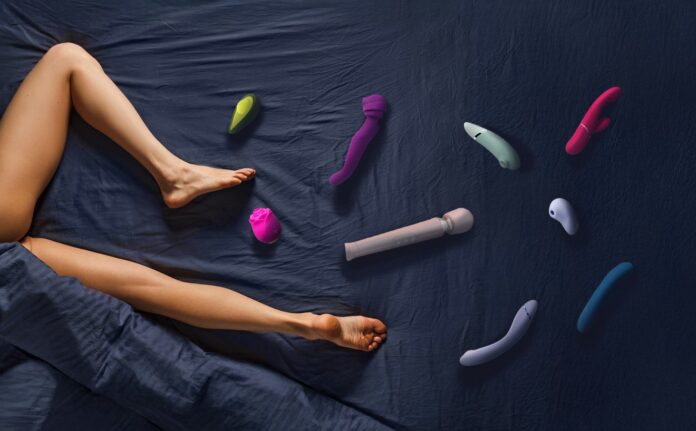
Confidence doesn’t come from buying the most powerful or “advanced” product on the shelf. In fact, those often end up unused by beginners because they’re too overwhelming.
Here are gentle, affirming entry points:
- External-focused items like mini vibrators or finger vibes offer intuitive use and less pressure.
- Manual or non-vibrating toys allow users to explore sensation without intense stimulation.
- Body-safe materials like silicone and ABS plastic are easy to clean and non-porous.
- Quiet motors offer peace of mind for those living with others or in apartments.
- Rechargeable models remove the barrier of constantly replacing batteries.
Small doesn’t mean insignificant. In many cases, smaller toys give users a better sense of control and gradual discovery.
Read, Then Feel
While product reviews can be helpful, confidence grows when buyers understand how something might fit into their own routines. That means reading about:
- What part of the body the toy is meant to stimulate
- Whether it’s waterproof or suited for solo vs partnered use
- How loud it is and how it’s powered
- Whether lubrication is needed—and what kind
- Cleaning and storage instructions
Many online stores provide these details upfront in a warm, matter-of-fact tone—avoiding overhyped language or vague claims. Clear, honest descriptions replace guesswork with empowerment.
The Truth About “Normal”: Everyone Starts Somewhere
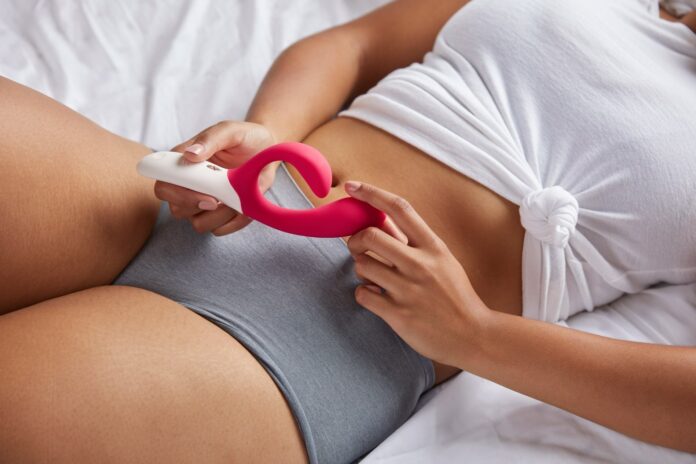
It’s tempting to ask: “What’s the best first toy?” But there isn’t a single answer. Preferences vary wildly. Some people want gentle vibration; others crave texture or pressure. Some are more responsive externally; others internally.
What matters more is tuning into what you want to feel—not what influencers or online guides say you should. Some people don’t even use their first toy immediately. And that’s fine. Simply having it is a step toward comfort.
Confidence blooms through ownership—not just of the toy, but of the decision to take charge of one’s pleasure on their own terms.
Normalize It at Your Own Pace
For some, buying a toy is purely private. For others, it becomes part of conversations with friends or partners. There’s no “right” way to approach it.
But certain practices help make the journey feel less isolating:
- Create your own unboxing ritual. Light a candle. Make it feel intentional.
- Journal your thoughts. What did you feel after buying it? What made you hesitate?
- Ask real-life friends or online forums that feel body-positive and nonjudgmental.
- Give yourself permission not to love the first toy. Trial and error is part of discovery.
- Respect your own timeline. There’s no race. Some people buy and explore months later.
There’s quiet confidence in knowing this doesn’t need to be public to be powerful.
The Emotional Layer: More Than a Device

For many first-timers, the emotional significance of buying a toy is deeper than the object itself. It’s about reclaiming trust in the body, unlearning shame, or finally prioritizing personal joy in a life filled with caregiving and obligations.
In these moments, the purchase becomes a form of self-respect—not indulgence. Something shifts internally when people allow themselves to want—and to respond to that want with action.
As psychotherapist and author Esther Perel often reminds us, eroticism isn’t just about sex—it’s about aliveness, imagination, and agency. A first toy might be small, but its impact on how someone feels about their own worth can be enormous.
What to Avoid: Common Confidence Killers
Feeling overwhelmed is natural, but there are a few common pitfalls first-time buyers can sidestep:
- Buying based on trendiness instead of comfort. Just because something is popular doesn’t mean it’s right for you.
- Ignoring material quality. Unsafe materials can cause irritation. Look for medical-grade silicone, and avoid anything labeled simply “jelly” or “novelty use.”
- Skipping lube. A good water-based lubricant makes everything smoother—literally and emotionally.
- Thinking pleasure has to be orgasmic. It doesn’t. Exploration itself is rewarding.
- Comparing yourself to others. Everyone’s pace, comfort level, and needs are valid.
Avoiding these traps makes room for calm, curiosity, and trust in one’s own process.
Final Thought: You’re Allowed to Feel Good

Buying a toy doesn’t have to feel like a rebellious act or a guilty secret. It can be a soft, affirming declaration of self-care. And the more thoughtful the process—from where you shop, to what you choose, to how you give yourself space to explore—the more confidence it builds.
Start simple. Be kind to yourself. And remember: this is not about becoming someone new—it’s about finally giving yourself permission to feel more you.
Frequently Asked Questions
Do I need to tell anyone I’m buying a toy?
No. This is your personal choice. Whether you share it with a partner, friend, or no one at all is entirely up to you.
What’s the best material for beginners?
Body-safe silicone is the most recommended. It’s hypoallergenic, soft, and easy to clean.
How do I clean a toy safely?
Use warm water and unscented soap, or a dedicated toy cleaner. Dry completely before storing.
Is buying online safe and discreet?
Yes—especially with trusted platforms, which use discreet packaging and secure payment systems.
Can I return a toy if I don’t like it?
Due to hygiene reasons, most stores do not allow returns of opened products. It’s best to read reviews and descriptions carefully before purchase.