Jewelry preferences are shifting. What was once a clear distinction between occasional pieces and everyday accessories is becoming less defined. More people are choosing fine jewelry not just for special moments, but as part of their regular wardrobe.
This change isn’t about replacing fashion jewelry entirely. It’s about how buying habits and styling preferences are evolving toward pieces that offer consistency, versatility, and long-term use.
1. A Shift Toward Long-Term Choices
Buying decisions are becoming more deliberate. Instead of choosing jewelry for a specific occasion, many consumers are thinking in terms of long-term value.
Fine jewelry is increasingly seen as something worth investing in, not just financially, but stylistically. Buyers are prioritizing well-made, timeless designs that hold their relevance over time, rather than pieces that feel temporary or trend-driven.
This shift in mindset is a key reason why fine jewelry is gaining prominence. It aligns with a more thoughtful approach to purchasing, where each piece is chosen with longevity in mind.
2. Everyday Wear Is Driving the Shift
One of the biggest reasons for this change is how jewelry is worn today. Accessories are no longer reserved for specific occasions. They are part of daily styling, worn to work, social settings, and casual outings.
Fine jewelry fits naturally into this approach. Pieces like diamond necklaces, stud earrings, and tennis bracelets are designed to be worn consistently without needing to be rotated frequently.
This practicality makes them a preferred choice for those looking to build a reliable collection.
3. Emotional Value and Personal Connection
Beyond practicality, fine jewelry is increasingly connected to personal meaning. Unlike trend-driven pieces, these items often represent milestones, memories, or identity.
Wearing the same necklace or ring daily creates familiarity. Over time, the piece becomes part of an individual’s routine rather than just an accessory. This emotional consistency adds another layer of value that fashion jewelry rarely provides.
In many cases, buyers are not just selecting a design, they are choosing something that reflects their personality or marks a specific moment. This perspective shifts jewelry from decoration to personal expression, reinforcing why fewer but more meaningful pieces are preferred.
4. Simplicity Works Across Outfits
Modern wardrobes often focus on clean silhouettes and neutral tones. Jewelry follows the same direction. Instead of bold, statement-heavy designs, many prefer pieces that integrate easily into different looks.
A simple diamond necklace can be worn with formal attire, workwear, or casual clothing without needing adjustment. This level of adaptability is a key reason fine jewelry is becoming more prominent.
5. Fewer Pieces, More Versatility
Instead of owning multiple pieces for different occasions, many buyers now prefer a smaller number of versatile items. The focus is on pieces that can be styled in different ways rather than replaced frequently.
A single piece, such as a diamond necklace, can be worn on its own for a clean look or layered with other pieces for added dimension. This flexibility allows the same jewelry to work across different outfits and settings without feeling repetitive.
This approach reflects how modern consumers are styling their collections, getting more use out of fewer, well-chosen pieces.
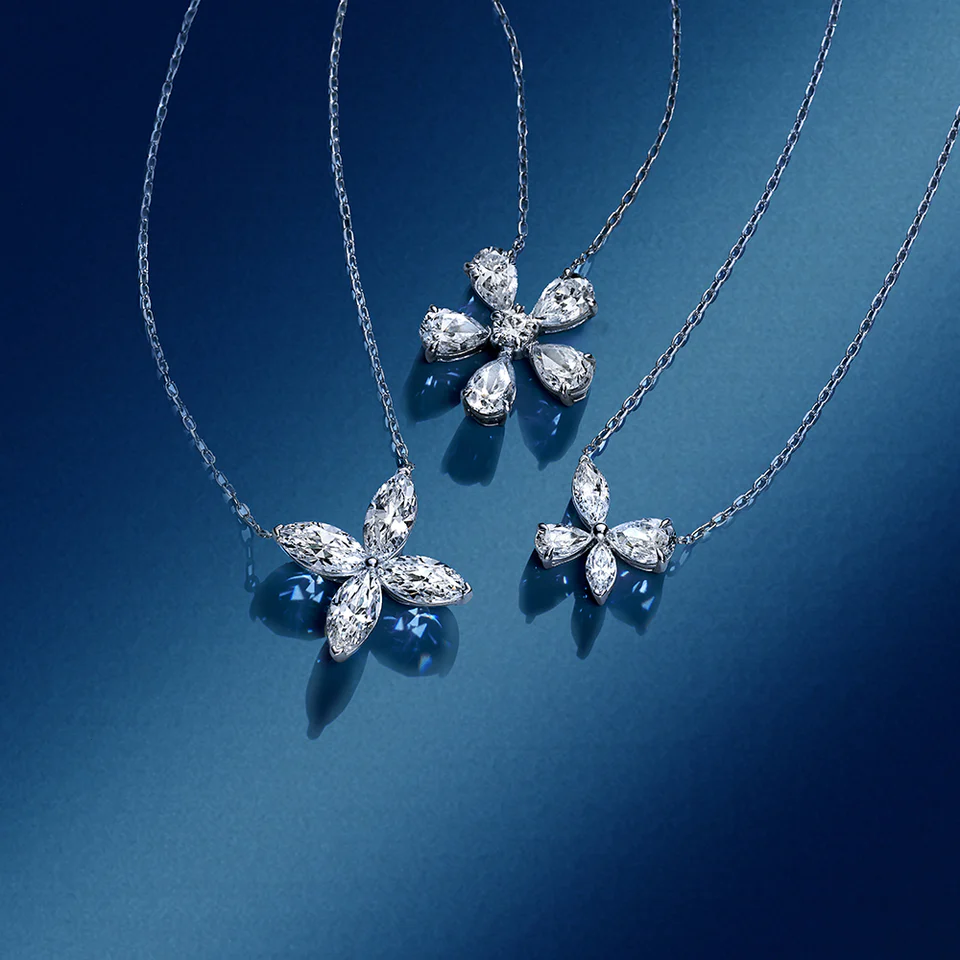
6. The Role of Styling Techniques in Modern Jewelry Use
Styling methods have evolved alongside buying habits, making fine jewelry even more adaptable. Rather than relying on single standout items, people are combining pieces to create depth and variation.
Common approaches include:
- Layering necklaces of different lengths to create dimension
- Mixing metals like gold and silver for contrast
- Balancing proportions between bold and minimal elements
These techniques allow the same core pieces to feel different depending on how they are worn. Layering, in particular, has become a defining element of modern styling, turning simple items into more complex, personalized looks.
7. Greater Access to Options
The availability of different materials and designs has also expanded. Options such as cultured diamonds allow buyers to explore a broader variety of sizes and styles within a defined budget.
This flexibility makes it easier to invest in fine jewelry without limiting design choices. Whether selecting a pendant, bracelet, or ring, buyers can focus on what suits their preferences rather than narrowing their options too early.
8. Accessibility Without Compromising Quality
Another factor influencing this shift is how fine jewelry is being positioned in the market. It is no longer limited to traditional luxury buyers.
Direct-to-consumer brands and evolving production methods have made fine jewelry more accessible while maintaining quality standards. This has allowed more people to build collections gradually rather than making occasional high-cost purchases.
As a result, the perception of fine jewelry is changing, from rare luxury to practical, everyday investment. This broader accessibility supports consistent use, reinforcing its role in daily styling.
9. Layering and Styling Have Evolved
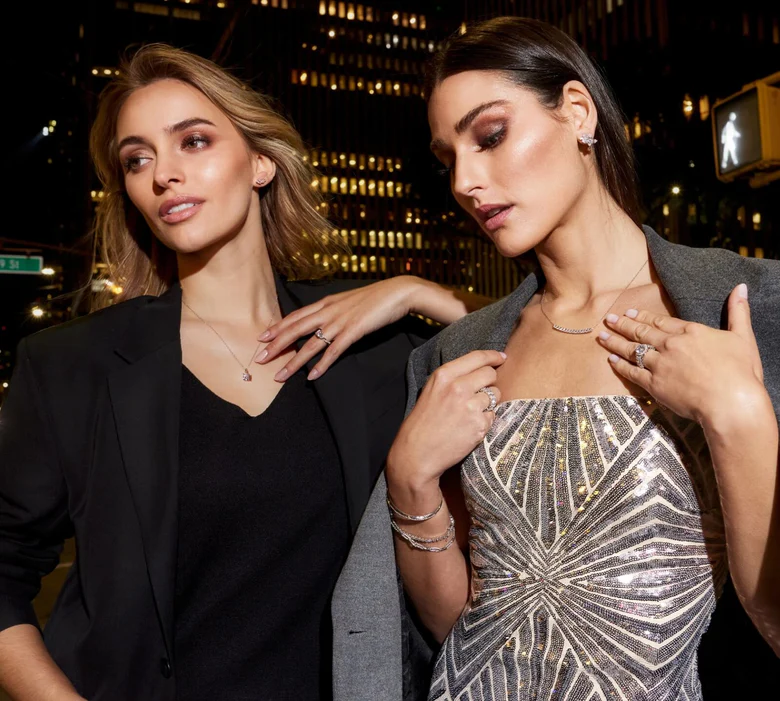
Layering has become a key part of modern styling. Necklaces, bracelets, and rings are often worn together to create a complete look.
Fine jewelry, especially pieces like diamond necklaces, works well in layered combinations. They can be worn alone for a minimal look or combined with other pieces without losing balance.
This ability to adapt to different styling approaches adds to their appeal.
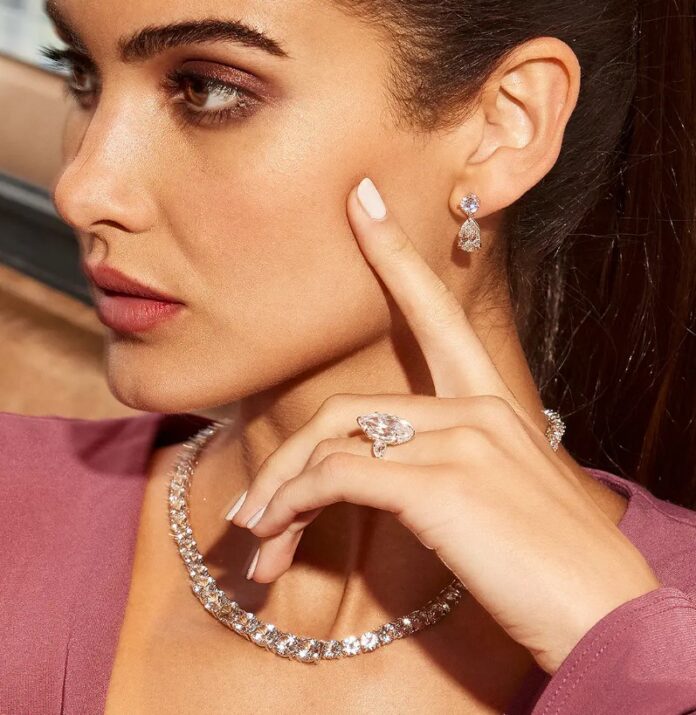
10. The Influence of Changing Fashion Trends
Fashion trends themselves are also reinforcing this shift. Jewelry is no longer just an accessory – it often defines the outfit.
Recent trends show a mix of minimal everyday pieces and expressive layering, where individuals combine subtle and bold elements depending on context. This blend supports the use of fine jewelry as a foundation, with additional pieces added for variation.
Rather than following strict rules, styling has become more flexible. Fine jewelry fits into this environment because it provides a stable base that can adapt to changing trends without needing to be replaced.
Final Thought
The growing presence of fine jewelry in everyday styling reflects a broader shift toward versatility and consistency. Pieces like diamond necklaces are no longer reserved for specific occasions; they are part of daily wear.
With options such as cultured diamonds expanding design flexibility, it has become easier to find pieces that align with both personal style and practical use.