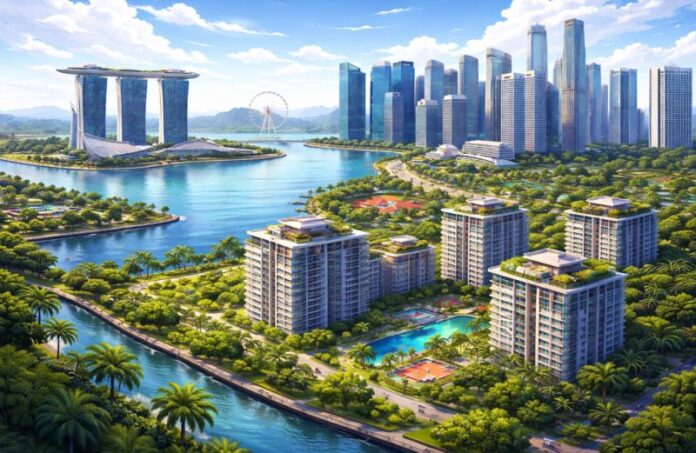
Singapore packs more people and offices into a smaller core than almost any global city. Data from recent urban planning reports shows that over half of all professional jobs still sit within a tight radius around the CBD.
That reality shapes how people choose where to live. Rent levels shift quickly by street. Commute times vary by minutes that feel like hours during peak periods. Lifestyle trade offs matter more than glossy brochures suggest. Living near the CBD in 2026 means balancing cost access daily comfort and long term stability.
The areas below stand out because they offer realistic proximity without forcing extreme compromises. Each one brings a different rhythm of city life while keeping downtown within easy reach.
Why Living Near the CBD Still Matters in 2026
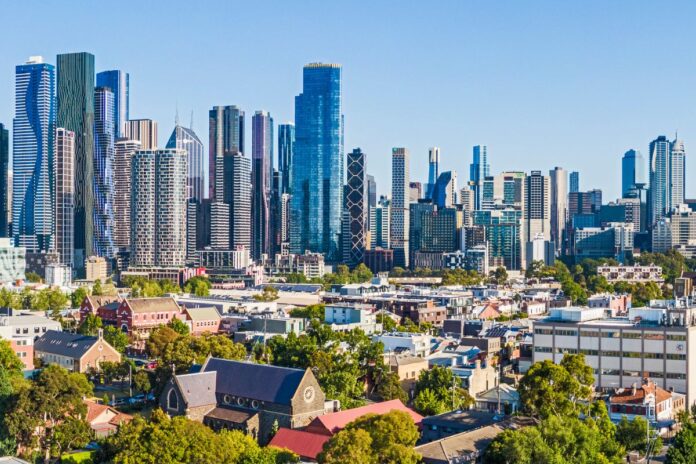
Living close to the CBD remains practical even as remote work grows. Many offices still expect regular presence. Networking events cluster downtown. Dining and cultural venues stay concentrated near the core. Shorter commutes protect time and energy. That benefit feels personal after a long workday.
Rent near the CBD commands a premium yet value varies by neighborhood. Some areas trade space for walkability. Others offer older housing with more generous layouts. Transport access defines daily experience more than distance alone. MRT frequency matters more than maps. Lifestyle also shifts by block. Quiet streets can exist minutes from dense business corridors. Choosing wisely reduces friction across work rest and social life.
Marina East And Waterfront Living With Direct Access
Marina East attracts residents who value proximity and scenery. Waterfront paths soften the intensity of city living. Morning walks replace crowded gyms. Evening views change the mood after work.
Developments here tend to be newer with modern layouts. Prices reflect that reality. Units skew toward smaller footprints. Commute times stay short with direct transit routes. Cycling infrastructure supports car free routines.
A notable example is Vela Bay which reflects how modern waterfront projects near the CBD now combine transit access with residential calm. Living here suits professionals who prioritize efficiency and daily visual relief. Grocery access and schools remain close enough to avoid constant travel. Lifestyle leans polished yet practical rather than flashy.
Urban planners consider waterfront residential zones buffers that reduce stress levels for dense business districts
Tanjong Pagar And City Core Convenience
Tanjong Pagar sits inside the CBD boundary yet retains residential character. Historic shophouses exist beside modern towers. That mix creates texture without chaos.
Commutes often involve walking rather than trains. That saves time daily. Dining options cover hawker stalls cafes and refined spots within blocks. Nightlife exists but stays manageable on residential streets.
Rents trend high yet older buildings offer relative value. Units may lack modern amenities but compensate with space. Professionals who work late appreciate the short return home. Lifestyle here suits those who enjoy active streets without full resort style living. Noise levels vary by block so careful selection matters.
Queenstown And Balanced City Living
Queenstown offers a different equation. Distance from the CBD increases slightly yet commute times remain reasonable due to strong MRT links. Many residents reach downtown in under twenty minutes.
Housing stock includes mature public estates and private condos. That mix stabilizes rent growth. Space per dollar improves compared to core areas. Green corridors add breathing room.
Lifestyle leans residential with neighborhood markets and schools. Cafes and gyms exist but feel less crowded. This area suits couples and small families who want balance rather than constant motion. Access remains reliable while daily life feels grounded.
Tiong Bahru And Cultural Texture Close To Downtown
Tiong Bahru stands out for personality. Art Deco blocks shape its identity. Cafes bookstores and small parks create a slower pace.
Commute times stay short via MRT or cycling. Streets feel walkable without heavy traffic. Rental prices reflect demand driven by character rather than luxury finishes.
Units vary widely in condition. Renovated apartments command premiums. Older ones offer charm with trade offs. Lifestyle appeals to creatives and professionals who value neighborhood feel. Evenings remain calm despite popularity. Noise rarely spills late into residential lanes.
Tiong Bahru remains one of the few central districts where heritage housing defines lifestyle more than amenities
Bugis Rochor And Transit Focused Living
Bugis and Rochor benefit from dense transport connections. Multiple MRT lines intersect here. That makes movement flexible even during disruptions.
Housing ranges from compact condos to mixed use developments. Prices vary by proximity to stations. Commute times often fall below fifteen minutes.
Lifestyle skews energetic. Retail dining and cultural venues cluster tightly. Quiet pockets exist but require careful selection. This area suits residents who enjoy access over serenity. Daily routines stay efficient. Car ownership becomes unnecessary.
Bukit Merah And Value Near The Core
Bukit Merah sits just outside the CBD ring. Many overlook it due to its industrial past. Recent upgrades changed perception.
Transport links keep commute times competitive. Rents remain lower than waterfront or core districts. Space improves notably.
Lifestyle feels practical. Local food centers and parks dominate rather than curated retail. Noise stays moderate. This area fits residents focused on value and routine. Downtown access stays reliable without premium pricing.
How To Compare Rent Commute And Lifestyle Factors
Choosing among these areas requires structured thinking. Personal routines matter more than averages.
Key comparison factors include:
- Actual door to door commute time
- Noise patterns by block and time
- Age and condition of housing stock
- Access to daily needs on foot
Different residential areas offer very different day-to-day rhythms, especially when it comes to commuting time and overall lifestyle feel. Some neighborhoods prioritize walkability and quick access to business districts, while others trade a slightly longer commute for quieter surroundings and a more relaxed pace.
The comparison below highlights how selected areas differ in typical commute times and the general lifestyle tone they offer, helping readers quickly see which locations align best with their daily routines and living preferences.
| Area | Typical Commute | Lifestyle Tone |
| Marina East | Ten to fifteen minutes | Calm, modern waterfront |
| Tanjong Pagar | Walkable | Urban and active |
| Queenstown | Fifteen to twenty minutes | Residential and balanced |
Numbers guide decisions but lived experience finalizes them.
Final Thoughts
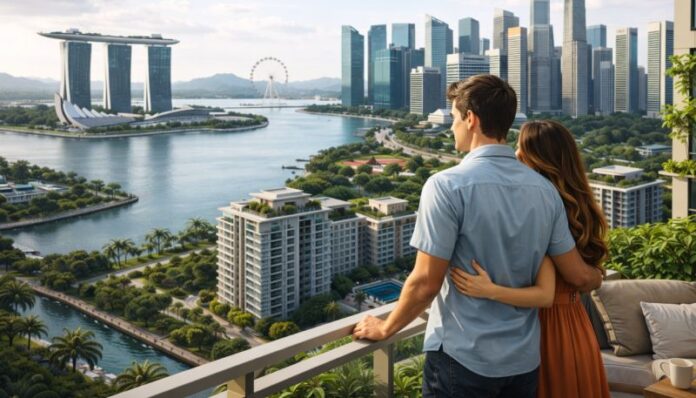
Living near the CBD in Singapore remains a strategic choice. Time saved daily compounds quickly. Stress levels respond to environment more than distance alone. Each neighborhood near the core offers a distinct pattern of life. Some prioritize calm views. Others emphasize energy and access.
Rent decisions work best when aligned with routine rather than trends. Commute efficiency often matters more than square footage. Lifestyle fit defines satisfaction beyond price. Exploring streets at different hours reveals truths listings hide. The right choice feels supportive rather than impressive.